What the dunes of West Texas quietly teach us about certainty, instability, and the ground beneath our feet
The Dunes at Monahans
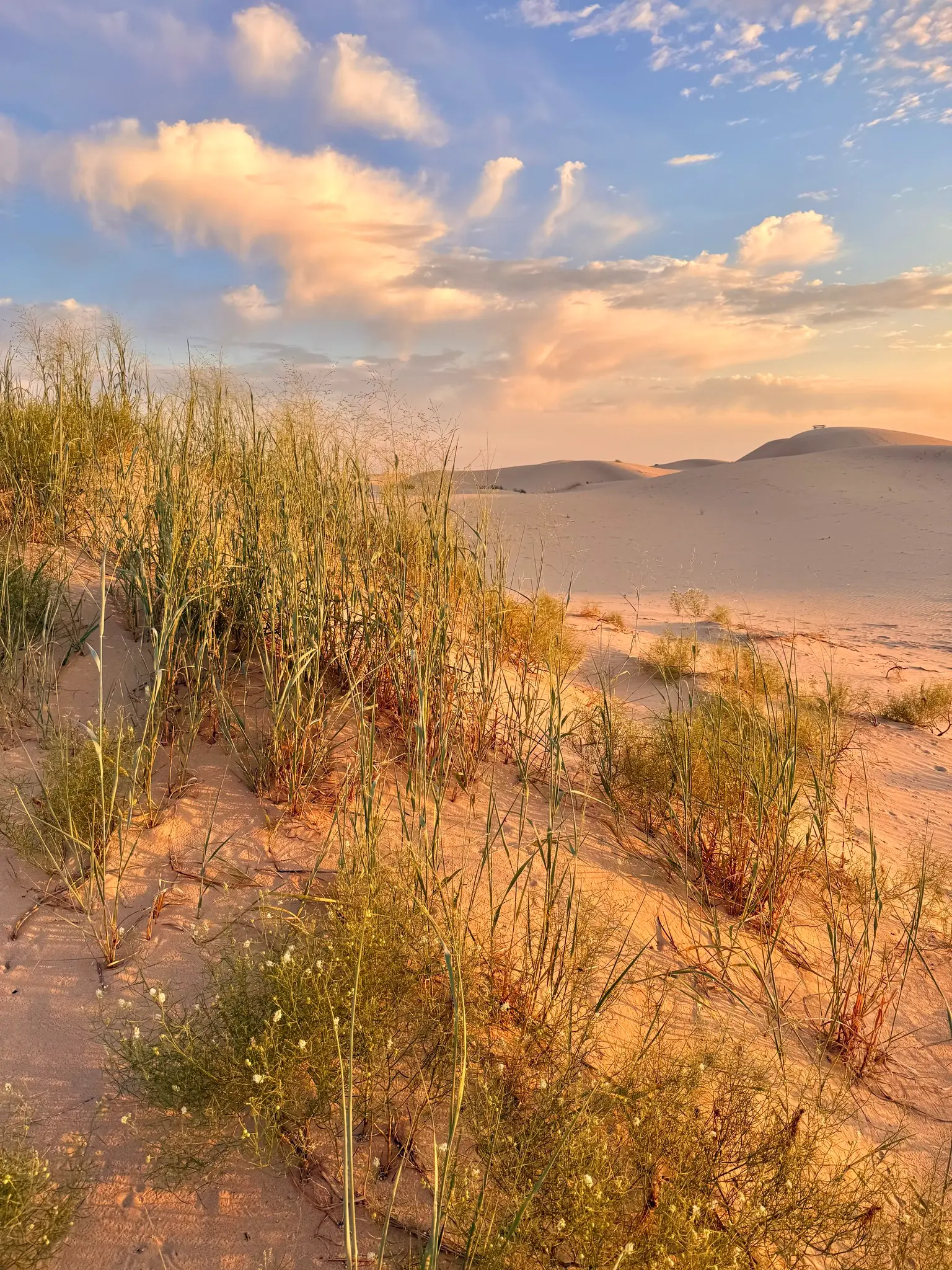
Over the years I have made dozens of photography junkets to Monahans Sandhills State Park in West Texas. It has become one of those places that keeps calling me back, the way certain landscapes do once they’ve gotten under your skin. I pack the Jeep, head west out of Austin, and somewhere along that long, flat highway the noise of everyday life begins to fall away. By the time I arrive at Monahans, camera in hand, I feel like I’ve stepped into a quieter version of the world.
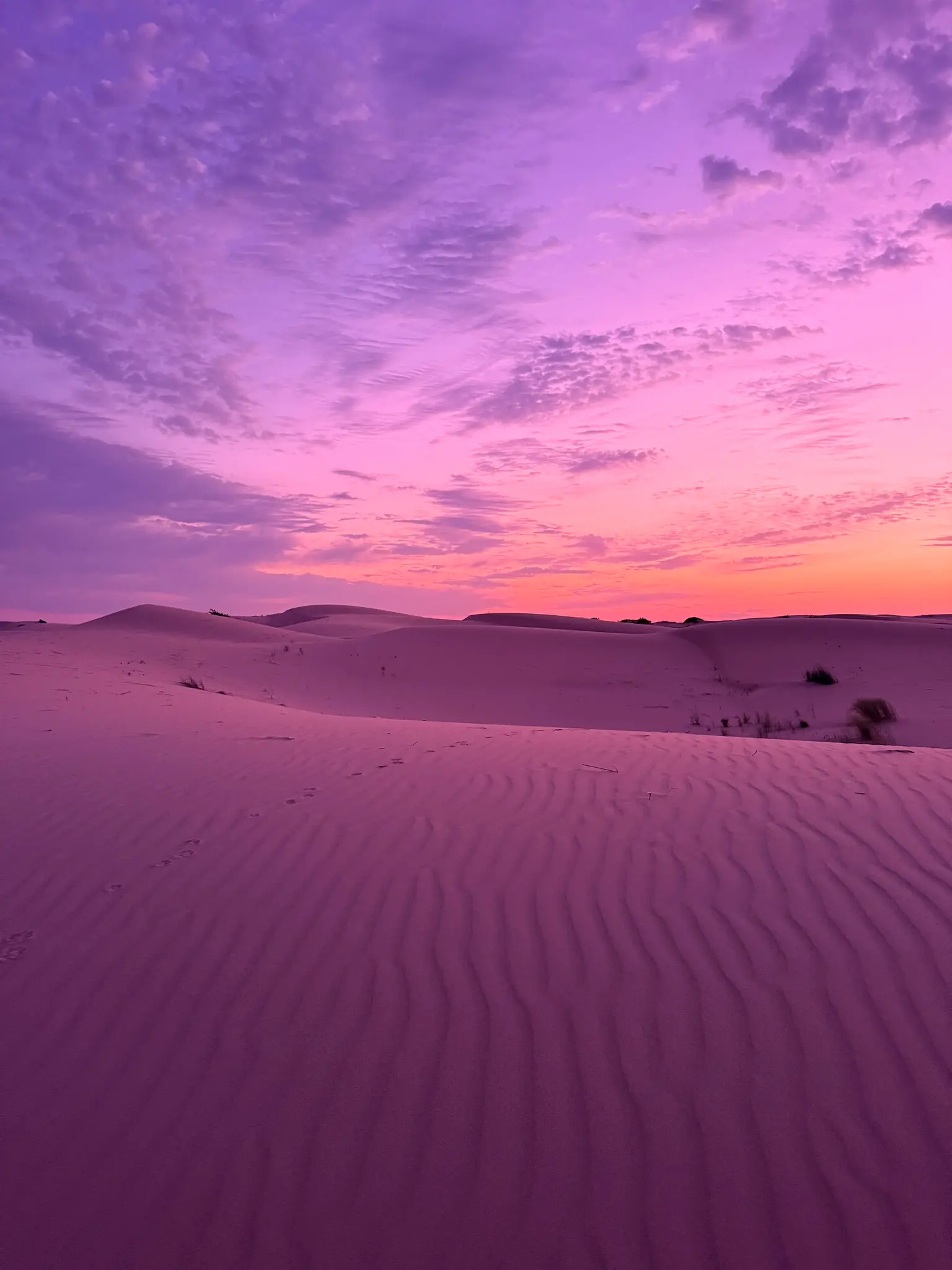
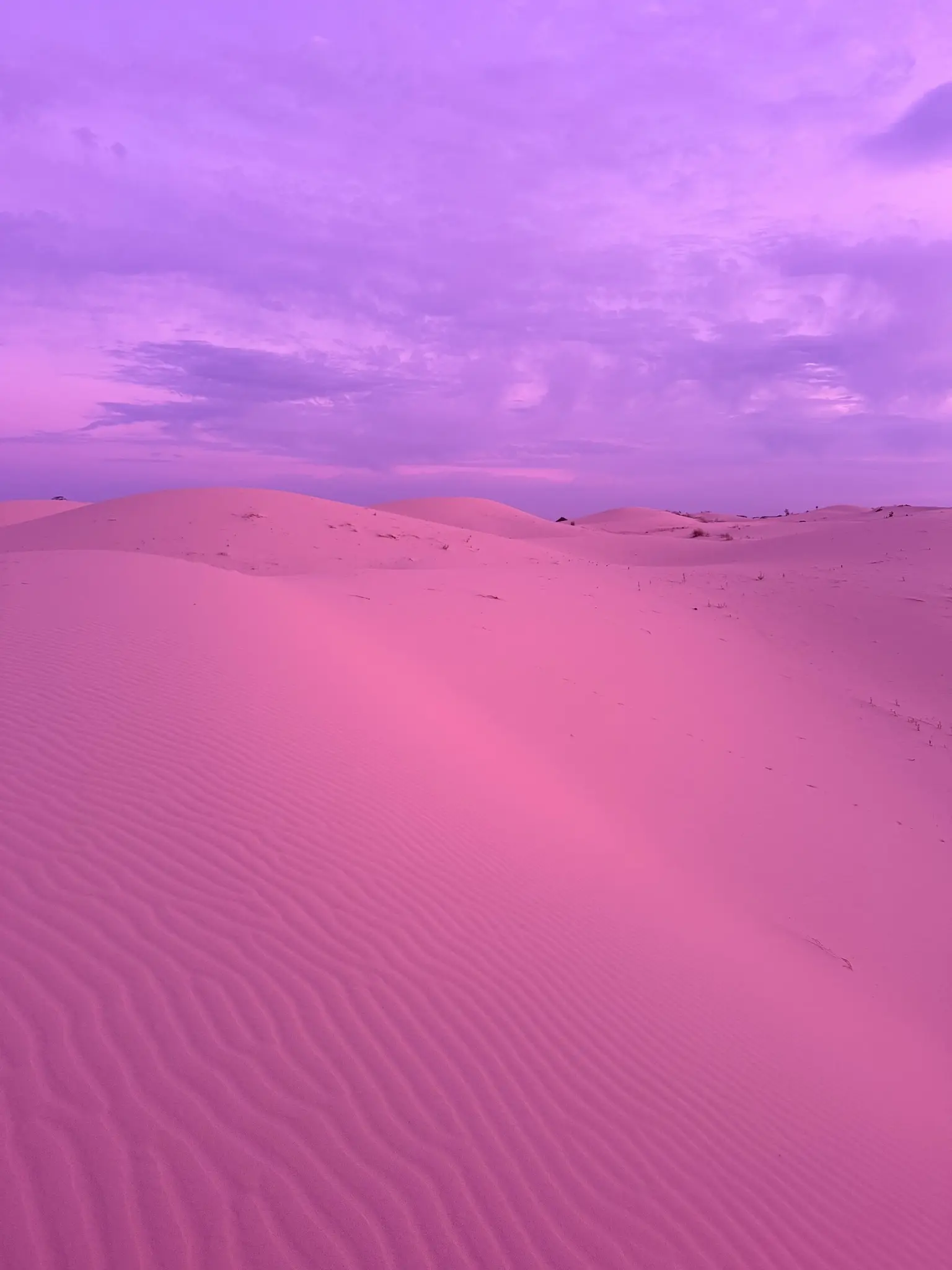
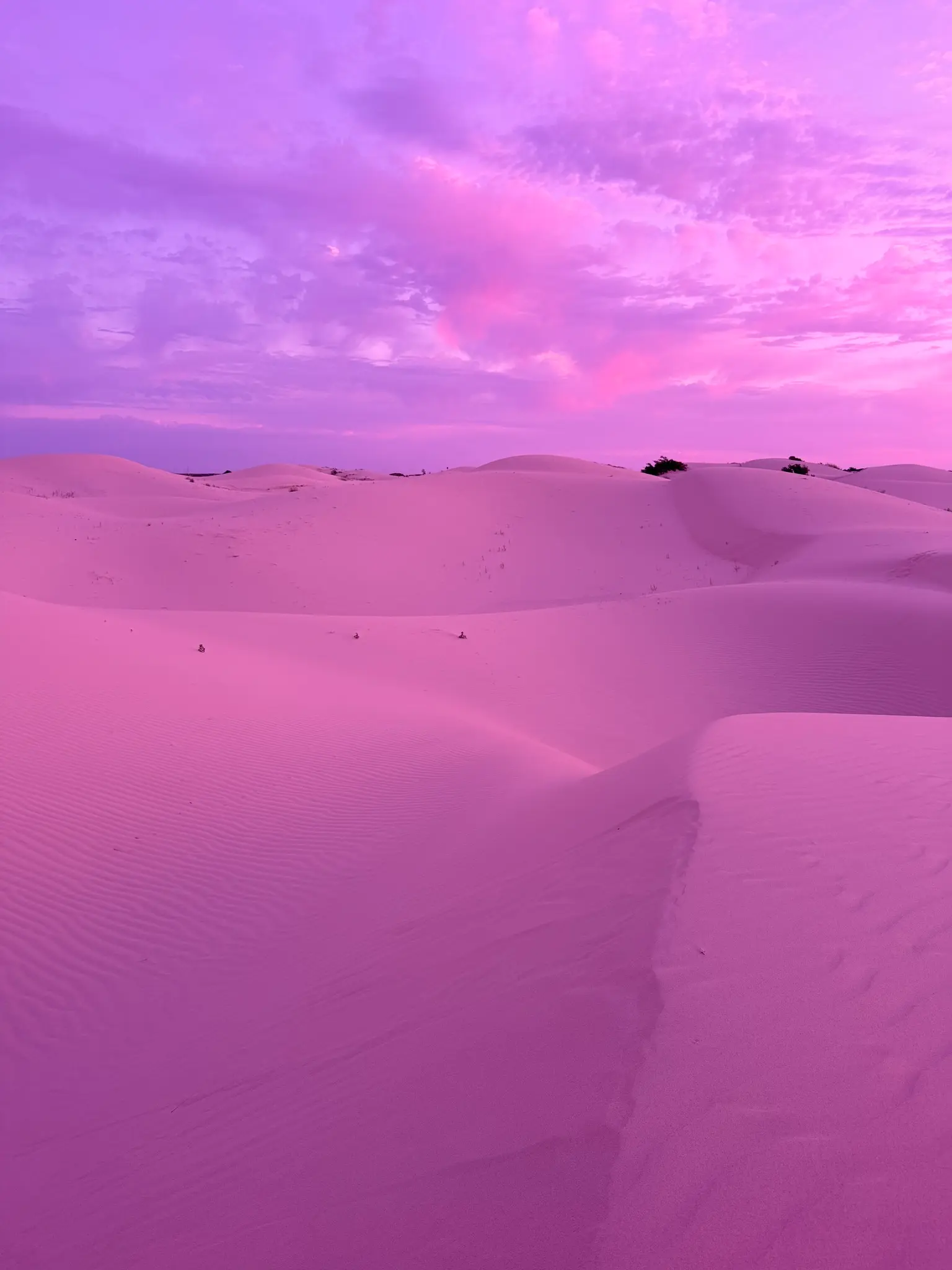
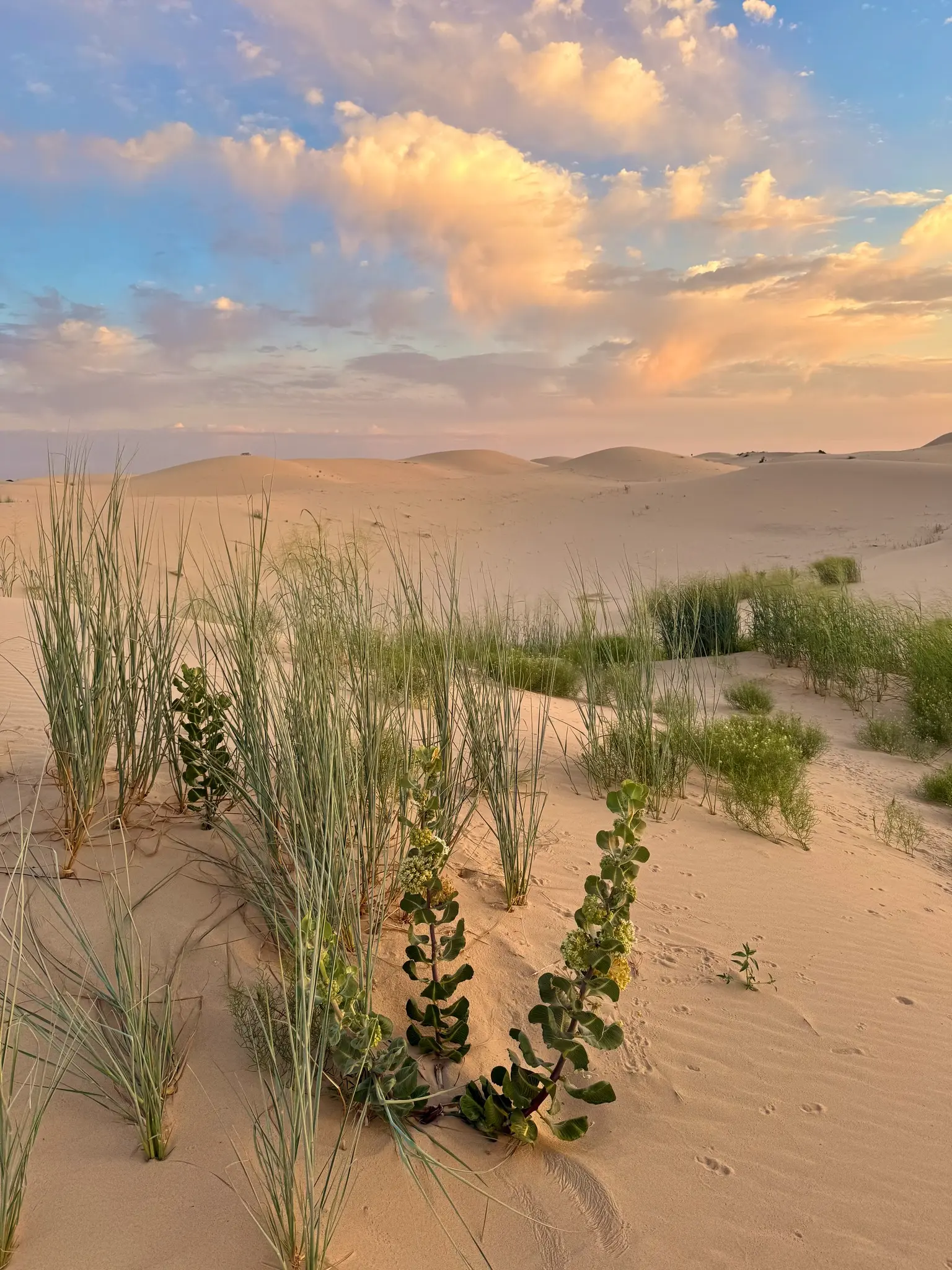
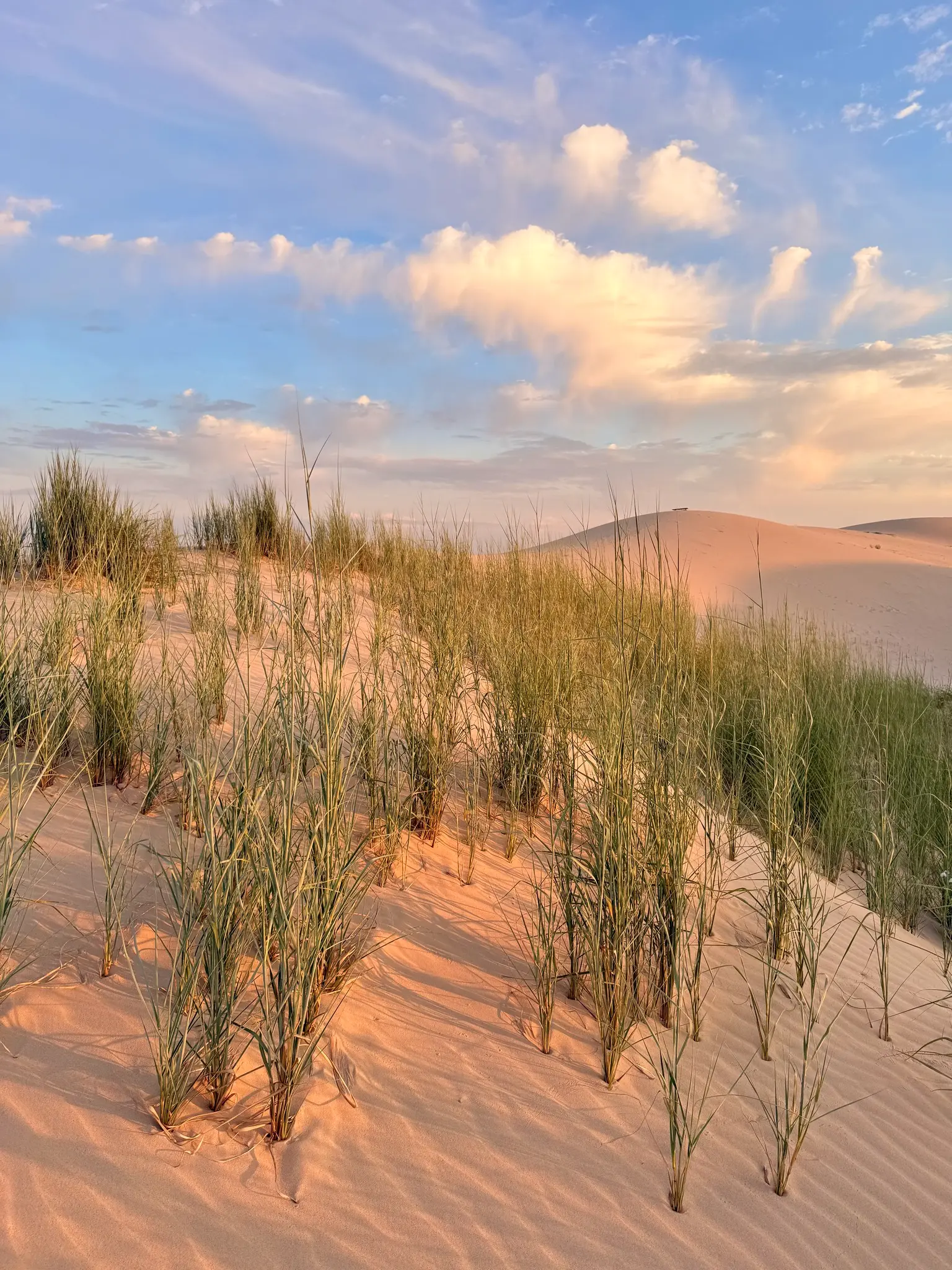
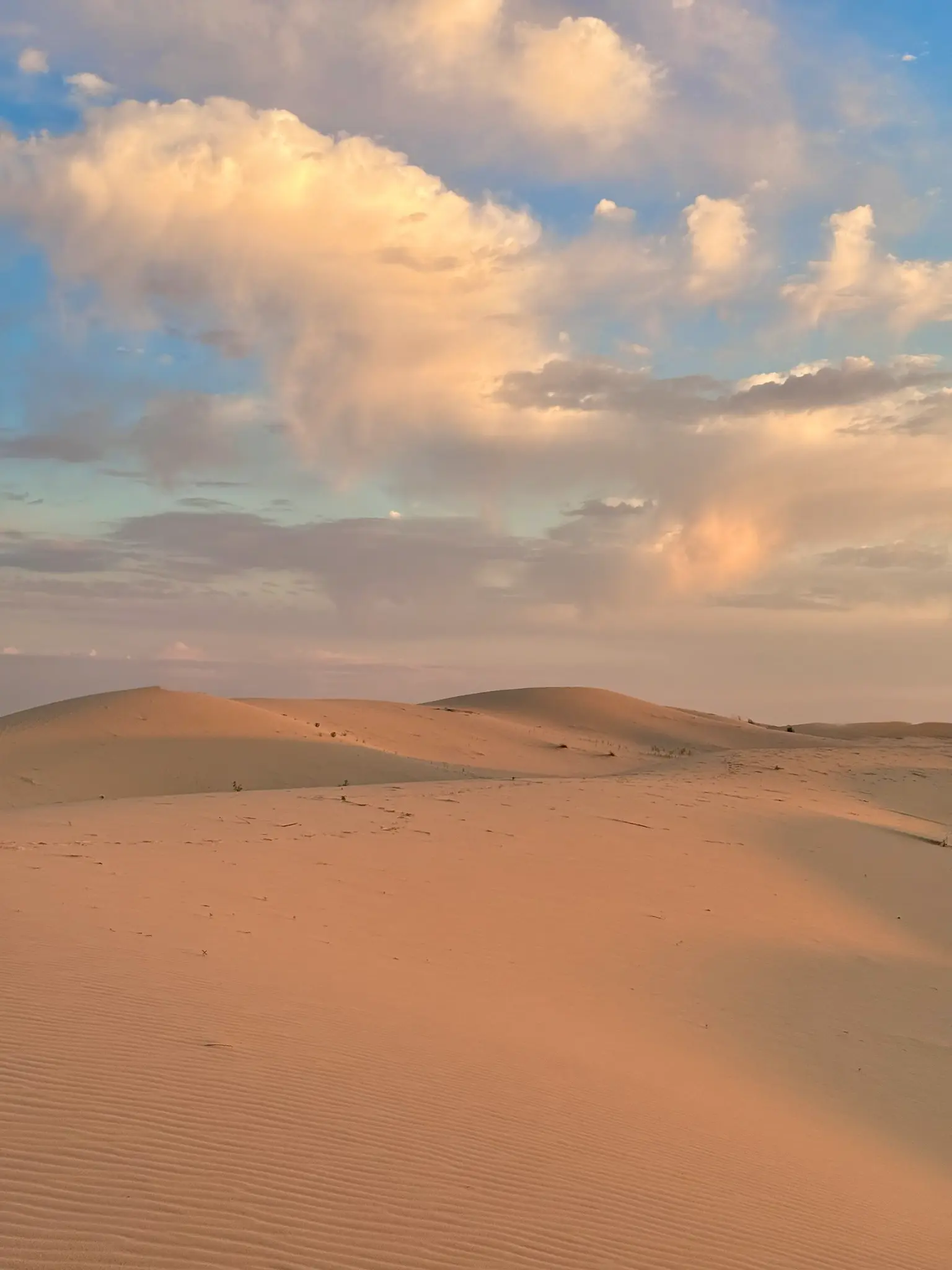
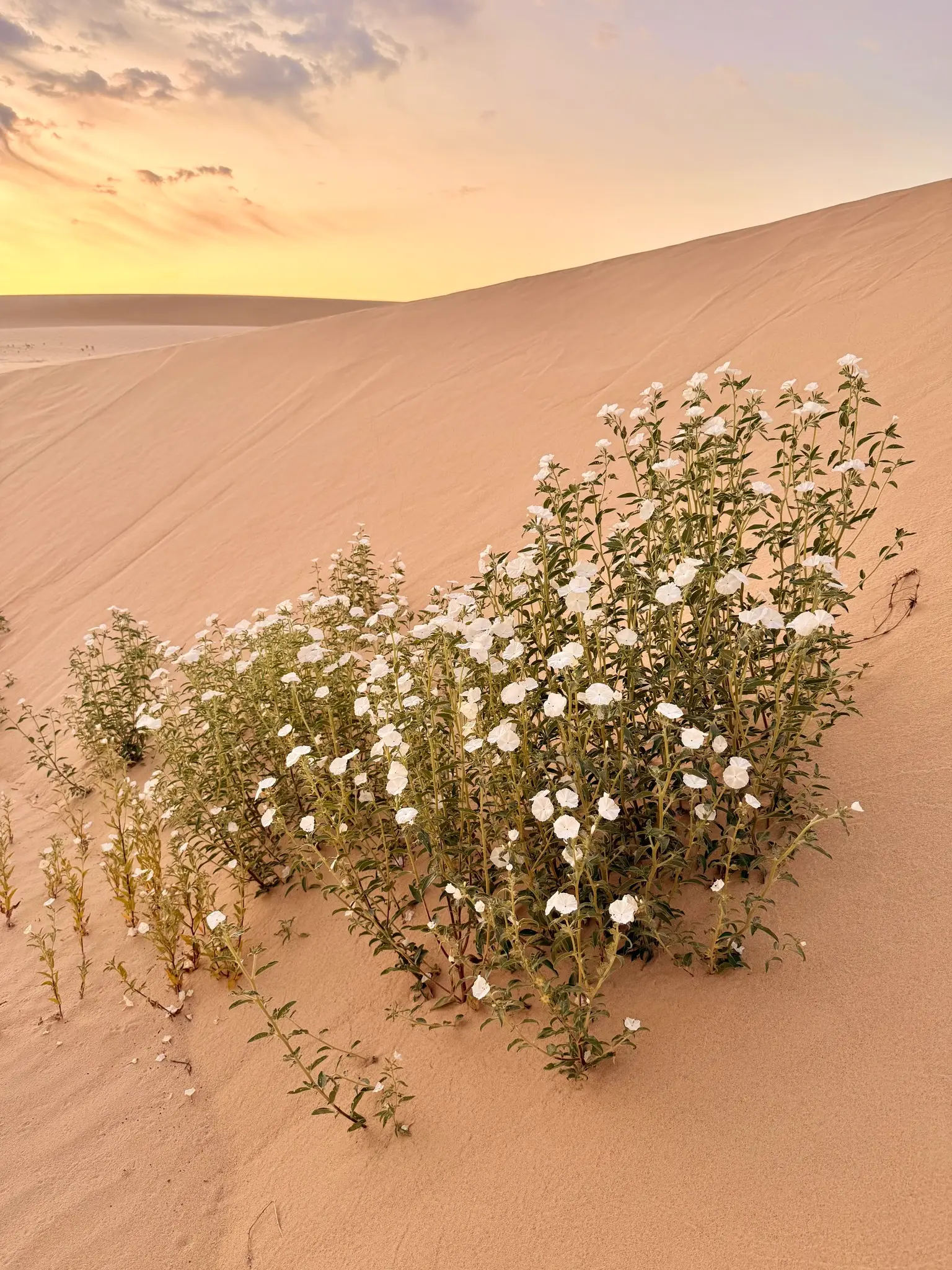
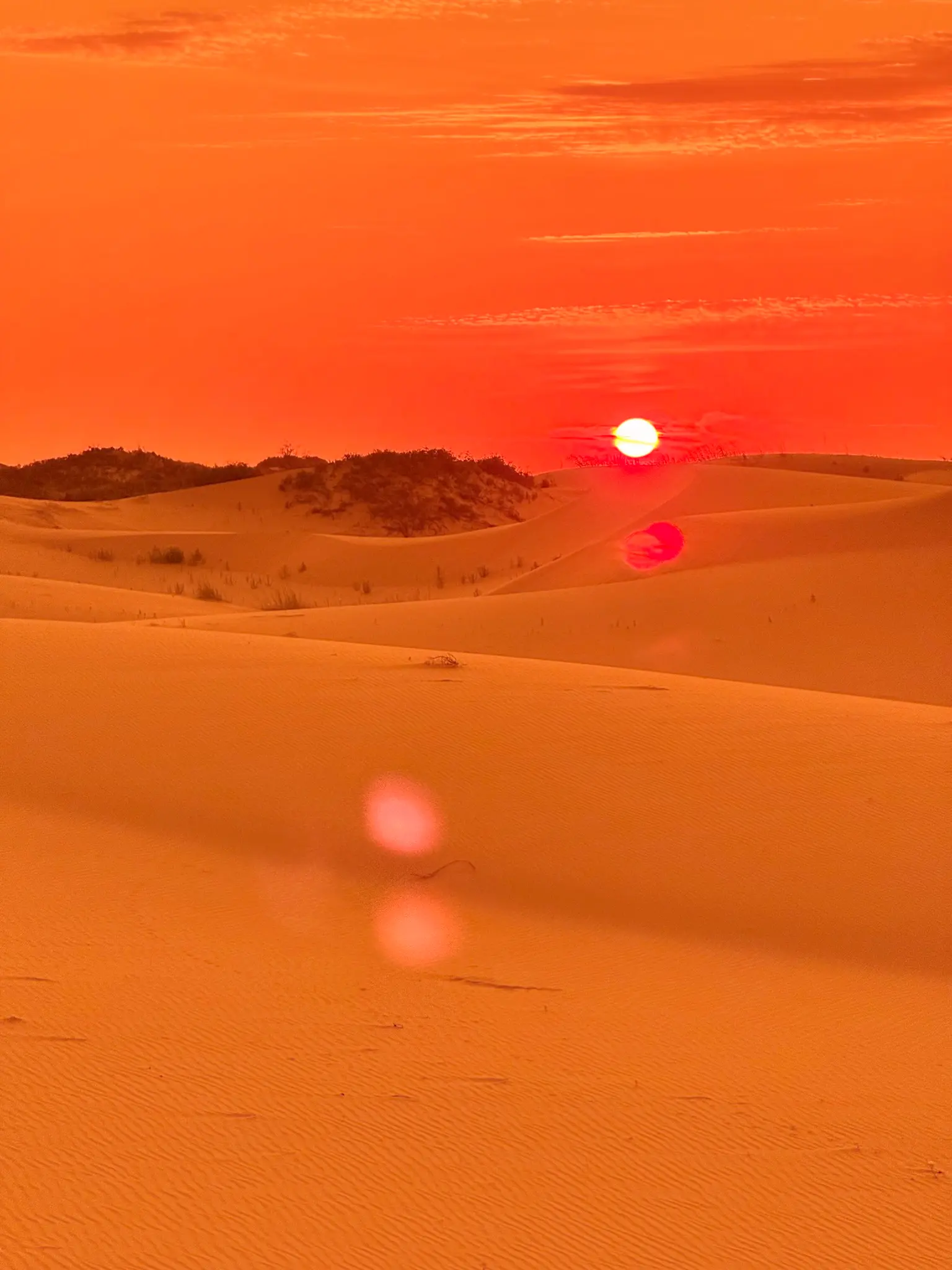
The dunes themselves are not what most people imagine when they hear the word desert. They are not the monumental walls of sand you see in photographs of the Sahara. They are not the sculpted cathedrals of Namibia’s Sossusvlei, nor the vast gypsum expanses of White Sands in New Mexico. The dunes at Monahans are smaller, humbler, more intimate. They rise gently from the desert floor, long ridges of pale sand shaped by decades of wind and weather. Their curves are soft rather than dramatic, their scale more personal than epic.
But for a photographer, they are magnificent.
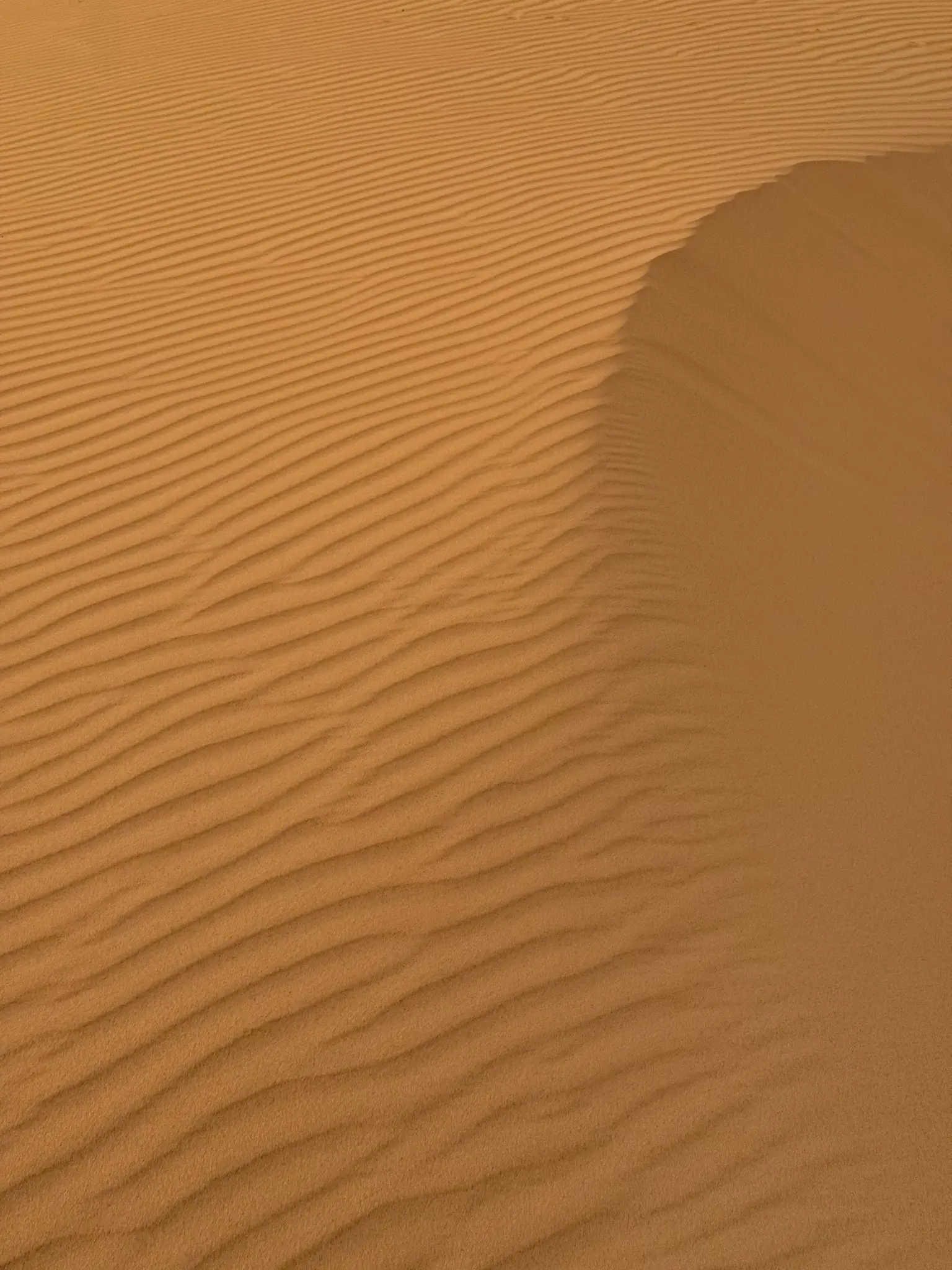
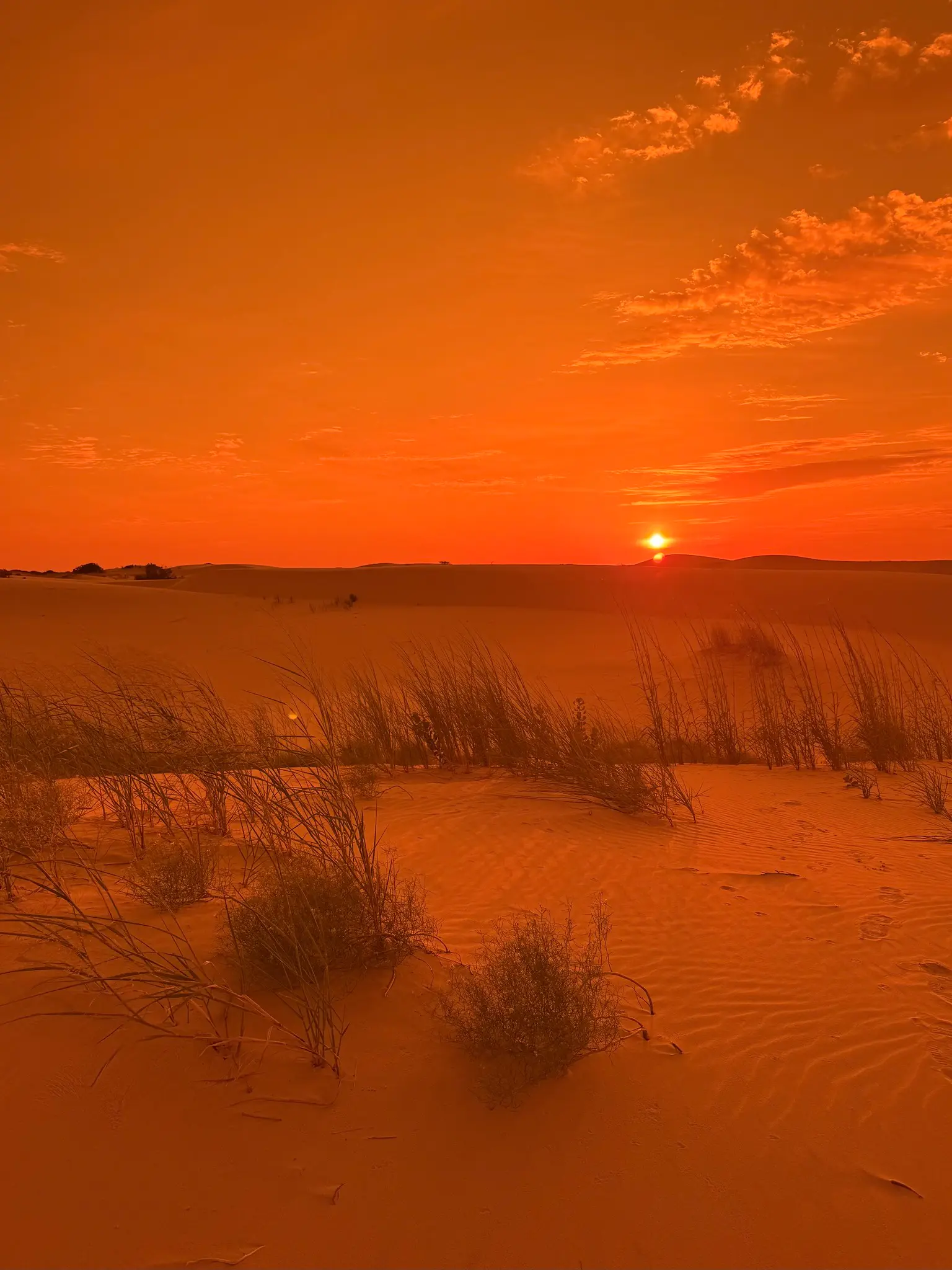
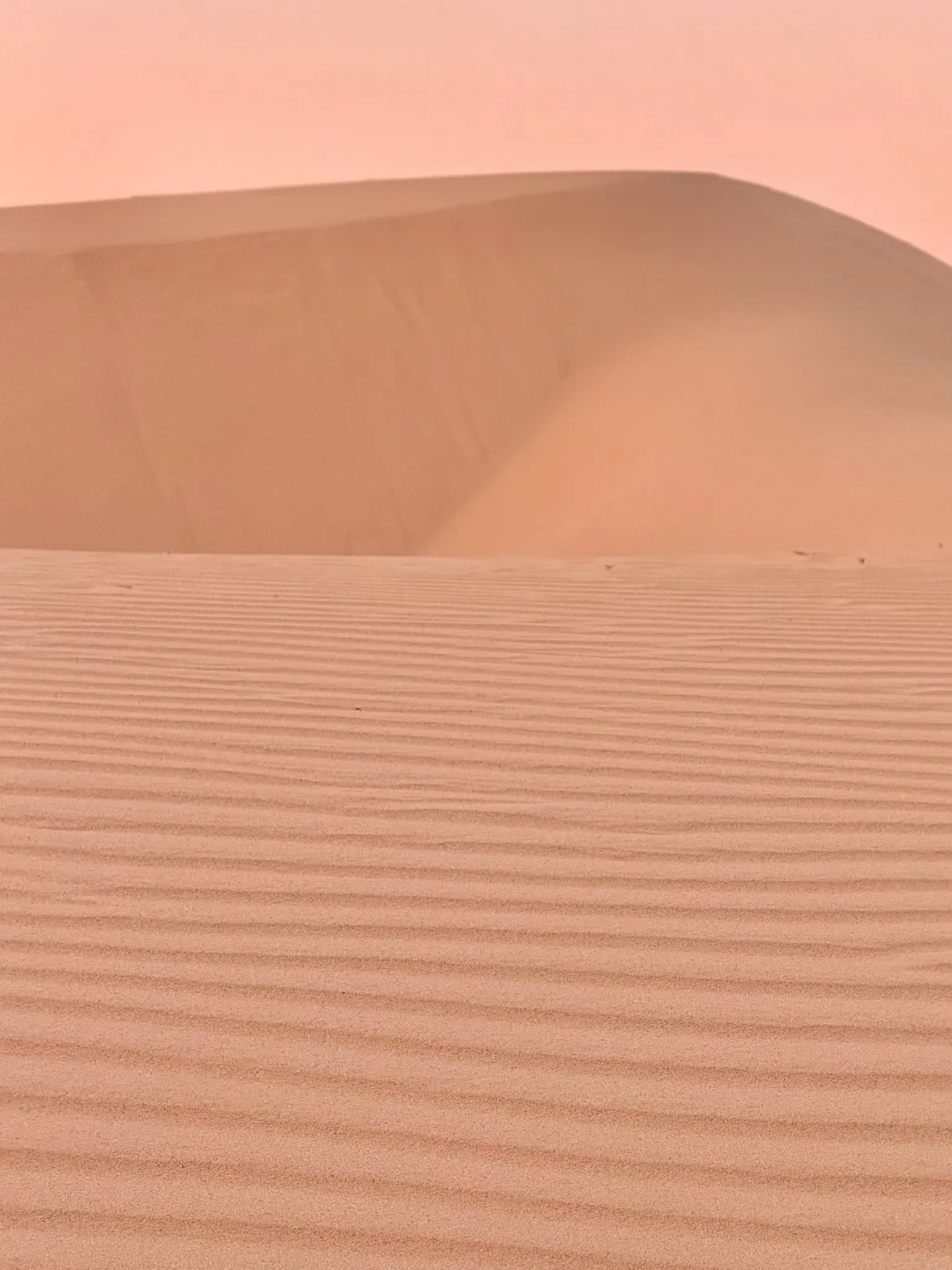
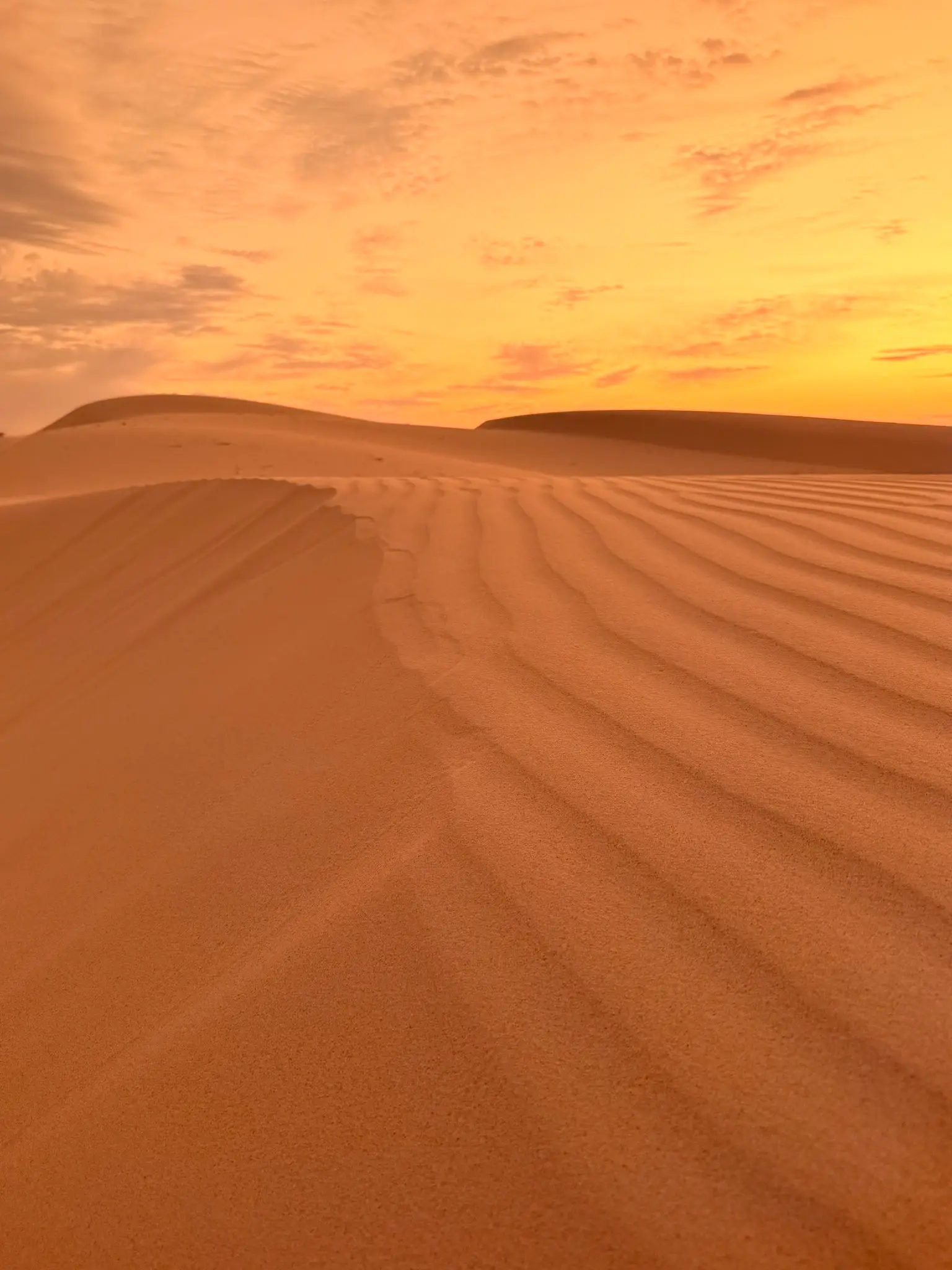
Light moves across these dunes in quiet, subtle ways. In the early morning the ridges glow with warm gold and amber tones, while the leeward sides fall into cool blue shadow. The wind redraws the landscape constantly, erasing footprints, smoothing edges, leaving behind delicate ripples that catch the light like brushstrokes across a canvas. What you photograph today will not exist in quite the same way tomorrow.
That impermanence is part of the appeal.
A Place That Encourages Reflection
When I go to Monahans, the photography tends to turn inward. I find myself walking slowly across the sand, scanning the ground for shapes, patterns, and small moments of visual poetry. The dunes are not a place for dramatic, high-adrenaline shooting. They are a place for patience, for contemplation, for paying attention to details most people would walk right past.
A ridge line catching the first light of dawn.
A set of footprints disappearing over the crest of a dune.
A delicate pattern in the sand left behind by the night wind.
It is quiet work, the kind of photography that rewards patience more than speed. And in that quiet, my mind tends to wander into broader reflections about life, time, and the strange instability of the world we are all living through right now.
Standing there recently, watching the wind move fine grains of sand across the surface of a dune, I couldn’t help thinking about how much the world itself seems to be sitting on shifting ground.
The Metaphor of Sand
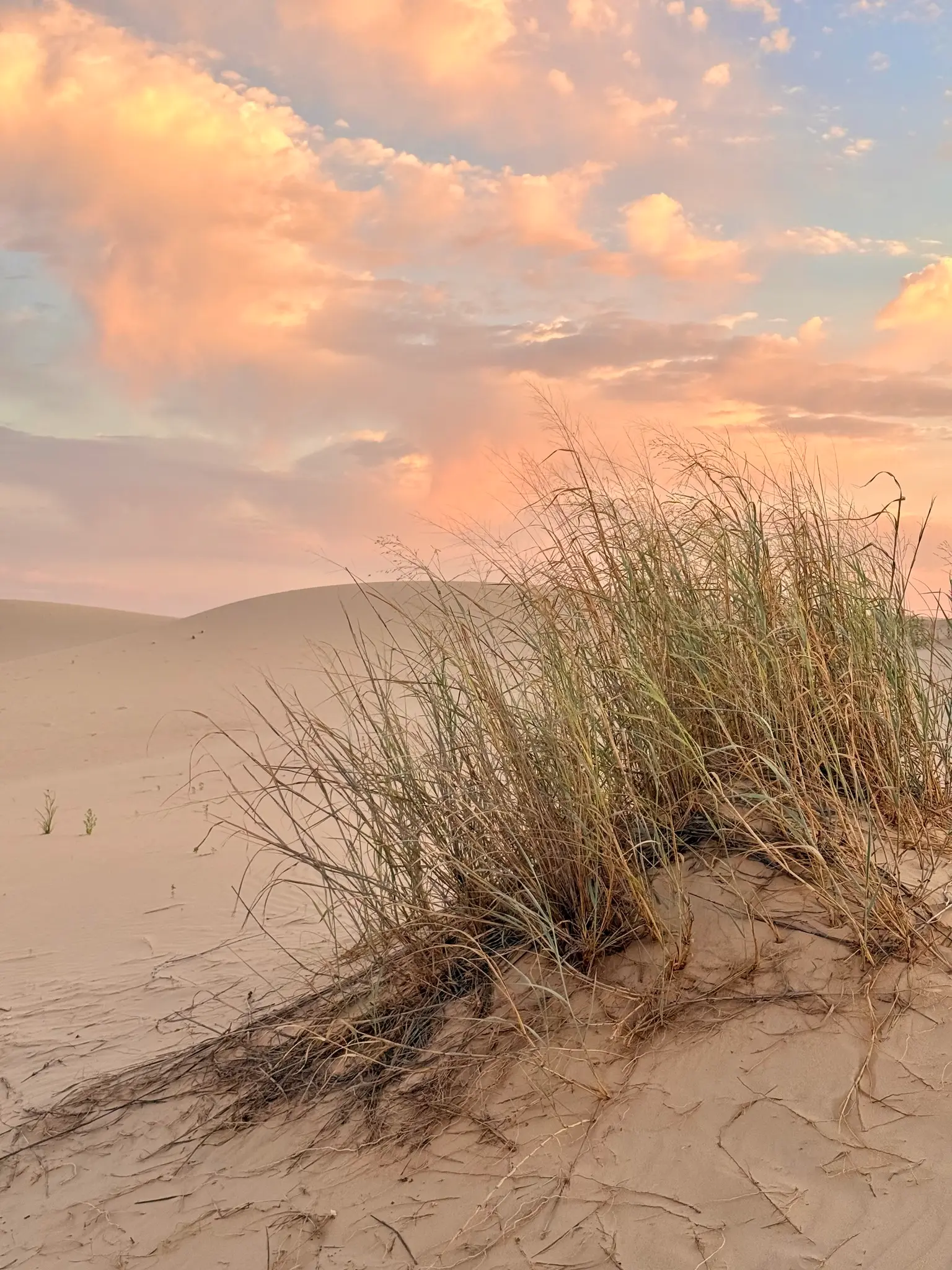
Sand has always carried a symbolic weight in human language. We talk about drawing a line in the sand, burying our heads in the sand, or watching the sands of time slip through our fingers. Even people who have never visited a desert instinctively understand the metaphor. Sand moves. Sand shifts. Sand refuses to stay where you put it.
What appears solid from a distance is actually in constant motion.
Every grain is slowly migrating somewhere else.
The dunes at Monahans illustrate this beautifully. They look permanent when you first arrive, as if they have always been there and always will be. But spend a little time observing them and you begin to notice subtle changes. Wind reshapes their edges. Footprints vanish within hours. Entire ridges migrate gradually across the landscape over years.
The surface looks stable.
But the ground beneath is always moving.
It struck me recently that this is a pretty good description of the moment we are living through as a society.
A World That Feels Less Stable
There was a time when much of the world felt more predictable than it does now. Political systems had their disagreements, but the underlying framework of democracy in many countries felt solid. Institutions were imperfect, certainly, but they carried a kind of structural legitimacy that people generally trusted.
Lately that sense of stability seems harder to find.
One day the world feels reasonably normal.
The next day the ground seems to shift beneath our feet.
Facts are questioned. Narratives change overnight. Alliances form and dissolve with startling speed. The public conversation often feels less like a shared search for truth and more like competing versions of reality colliding with each other.
It is an unsettling feeling.
You wake up in the morning wondering what version of the world you are going to encounter that day.
And you start asking yourself the same question many people are quietly asking right now: when will this settle down?
Photography and Impermanence
Photography has a curious way of sharpening our awareness of impermanence. When you spend enough time studying landscapes and light, you start to realize how temporary almost everything is. A shadow moves a few inches and the entire composition changes. A cloud drifts across the sun and the mood of a photograph transforms instantly.
The world we photograph is constantly in flux.
That realization can be unsettling, but it can also be clarifying. Photographers learn quickly that permanence is largely an illusion. Landscapes evolve. Cities transform. Cultural norms shift. Even our own beliefs change as we move through different stages of life.
The dunes at Monahans embody this truth in a particularly elegant way. They look solid and grounded when you first see them, but they are really just temporary arrangements of sand, shaped moment by moment by forces that never quite stop moving.
Give the wind enough time and the entire landscape will rearrange itself.
Building on Sand
There is an old idea, found in various philosophical and religious traditions, about the danger of building your house on sand. The image is simple: if the foundation beneath you is unstable, the structure above it will eventually collapse.
Whether you approach that idea spiritually or simply as practical wisdom, the point holds. Foundations matter. The stability of what we build—whether it’s a home, a career, a society, or a belief system—depends largely on the strength of what lies beneath it.
Standing on those dunes, I found myself thinking about how often human beings convince themselves that the ground beneath them is solid when it may not be. We construct elaborate structures—political, cultural, personal—on foundations that may be far less stable than we imagine.
And when the wind begins to blow, we are surprised when the sand starts to move.
Living With Uncertainty
On a personal level, the metaphor of shifting sand applies just as much to individual lives as it does to political systems. Careers change. Relationships evolve. Beliefs that once felt unquestionable sometimes soften or dissolve over time. The older we get, the more we realize how much of life exists in shades of uncertainty rather than clear, permanent answers.
For some people, that uncertainty feels frightening.
For others, it becomes a source of humility.
If you accept that the ground beneath you is not perfectly stable, you stop pretending that you have everything figured out. You learn how to adapt, how to adjust your balance as conditions change. Instead of clinging to rigid certainty, you develop a kind of flexibility that allows you to keep moving even when the landscape shifts.
In other words, you learn how to walk across sand without expecting it to behave like concrete.
A Quiet Hope
Like many people, I sometimes find myself hoping that the turbulence of the present moment will settle down, that the winds of political and cultural conflict will eventually calm. Perhaps the next election cycle will move things in a more stable direction. Perhaps the public conversation will regain some of the shared ground it seems to have lost.
But history suggests that human societies rarely reach permanent equilibrium. The dunes flatten for a while, and then the wind returns. The sand shifts again. The landscape rearranges itself in ways no one quite predicted.
Standing there in West Texas, watching the wind lift thin streams of sand off the crest of a dune, I was reminded that change is not an exception in this world.
It is the rule.
What the Dunes Reveal
In the end, the dunes at Monahans offer something deeper than photographic opportunities. They offer perspective. When you stand quietly in that landscape at sunrise, camera in hand, watching the wind reshape the ground beneath your feet, you begin to understand something about the nature of the world itself.
The planet is not a static place.
It is a place of motion.
Mountains rise and erode. Rivers carve new paths through old valleys. Continents drift slowly across the surface of the earth. Against that vast geological backdrop, our human dramas—however important they may feel in the moment—become part of a much longer story of change and adaptation.
The dunes will still be there long after this election cycle passes.
They will still be shifting and reshaping themselves long after the next one.
And for photographers, that constant change is not a problem.
It is the very reason we keep coming back.
Because every time the wind moves the sand, the landscape becomes new again. And with it comes the quiet invitation to see the world—once more—with fresh eyes.
Click.
Jack.