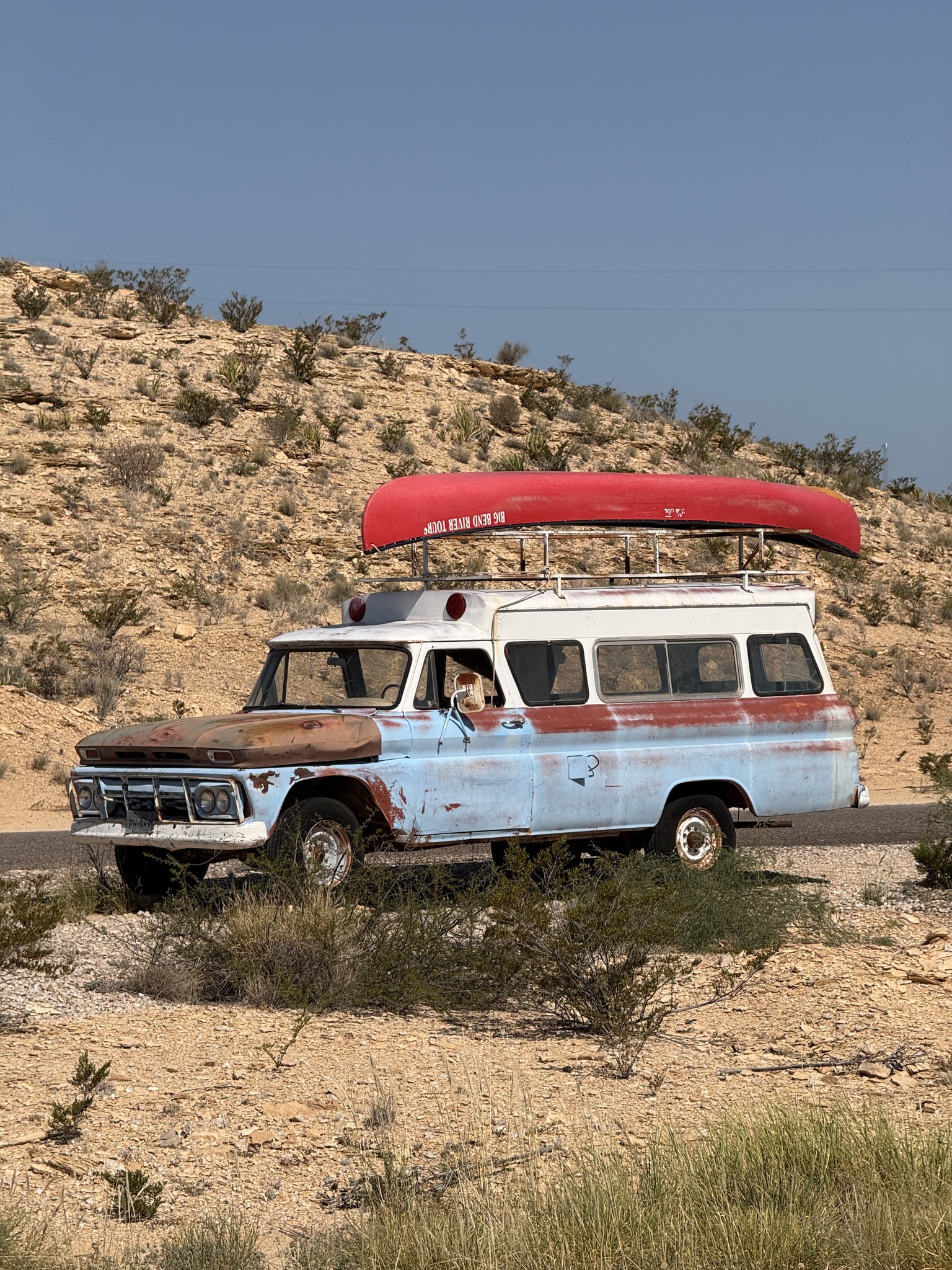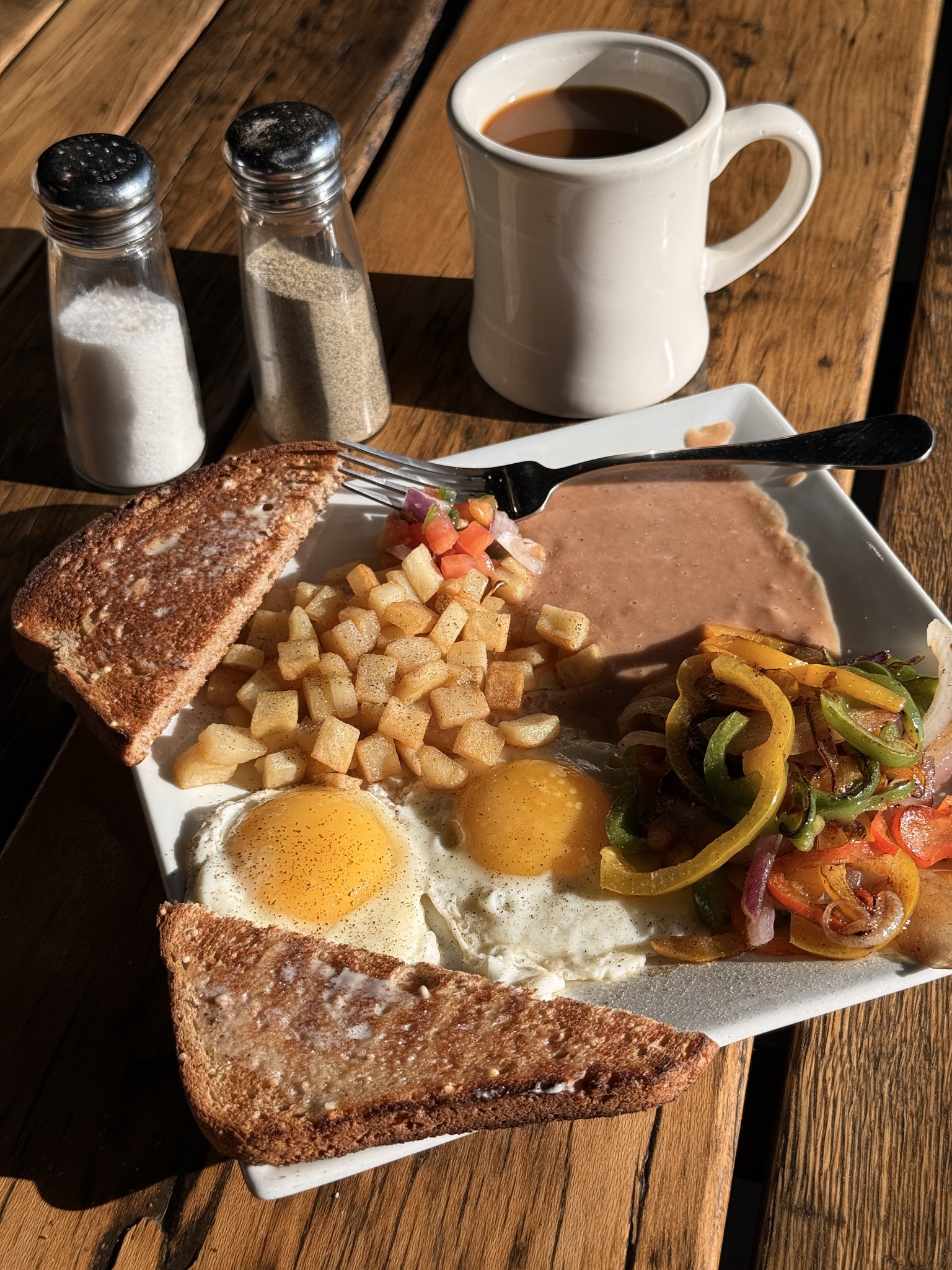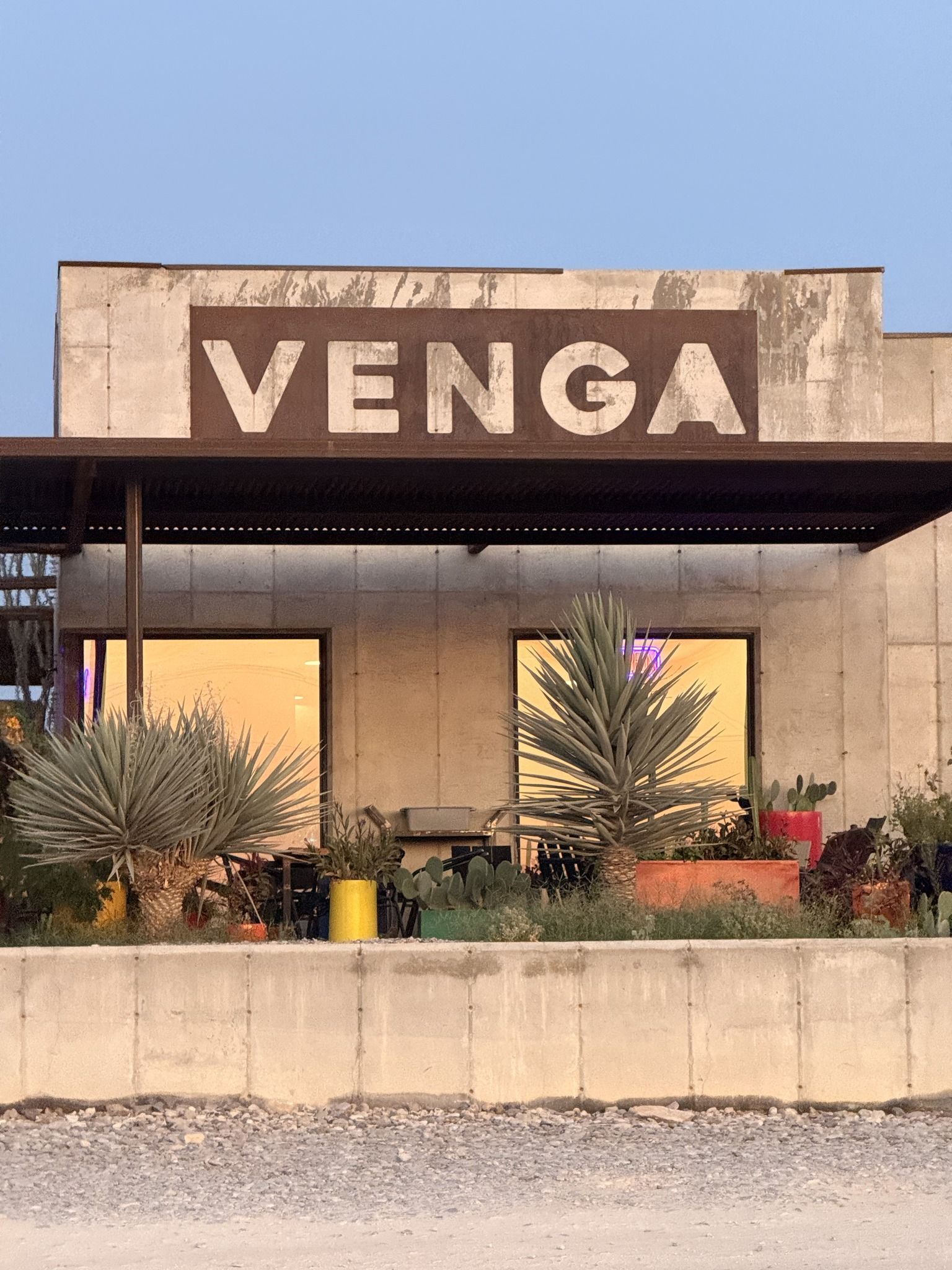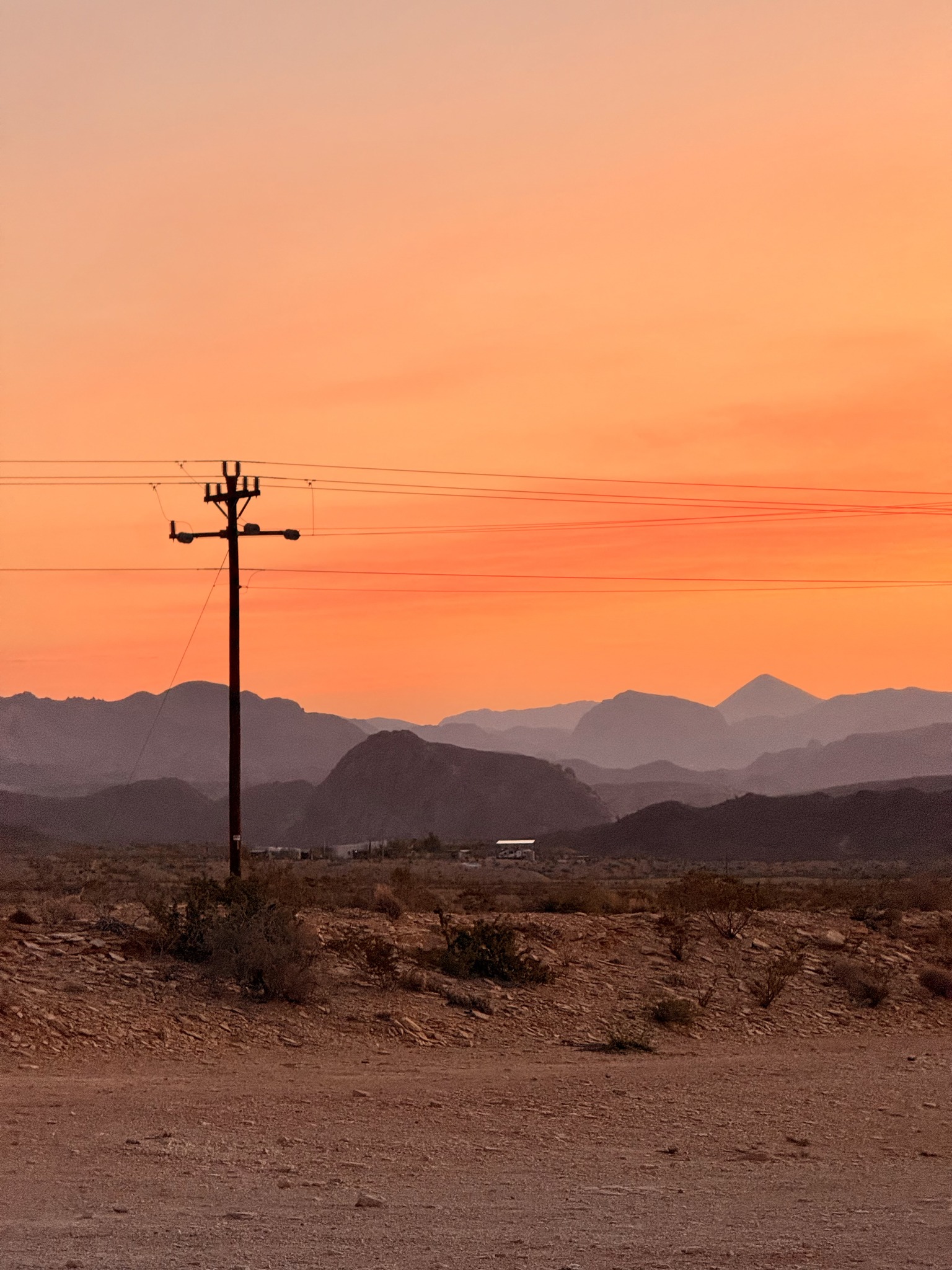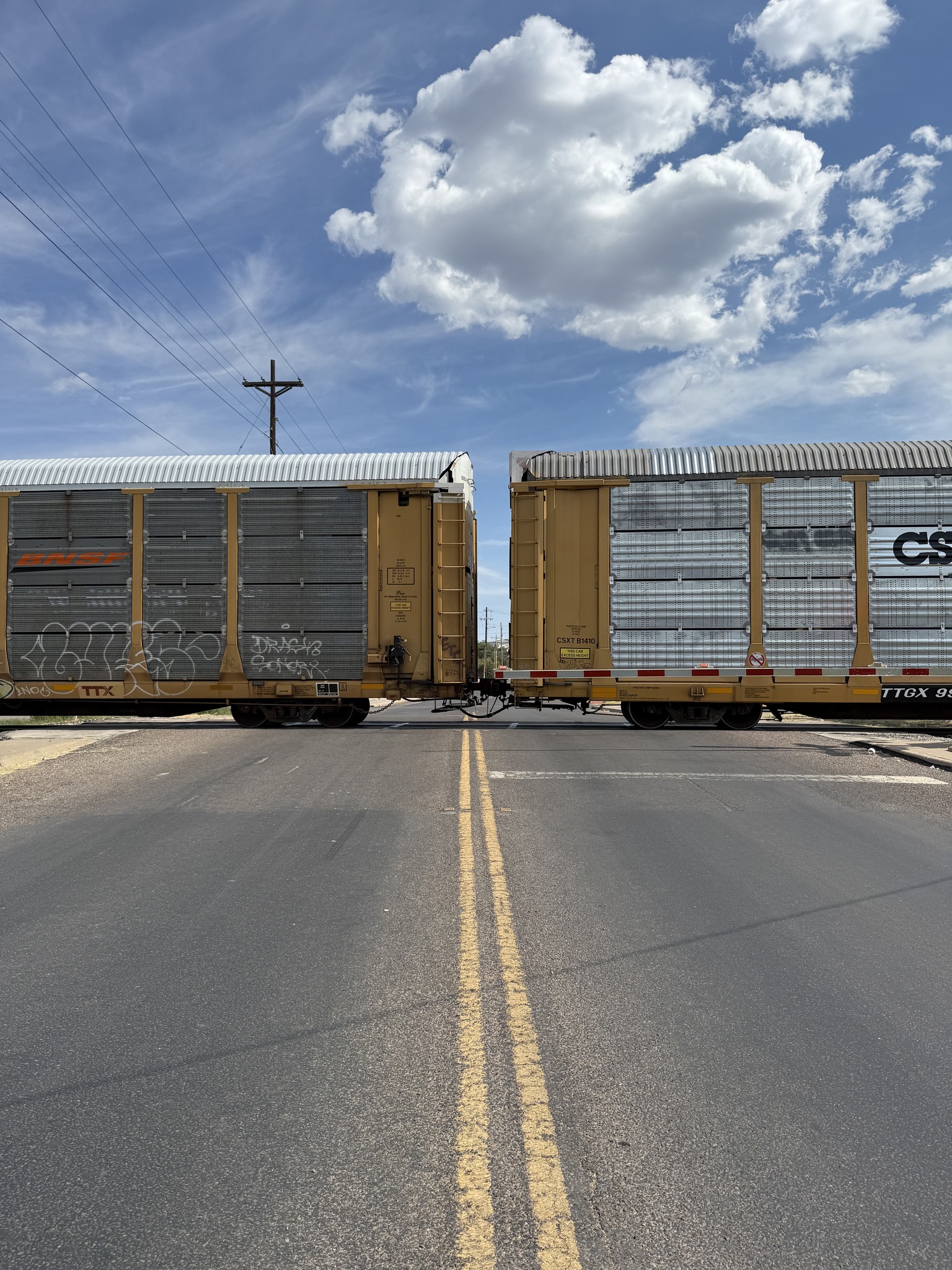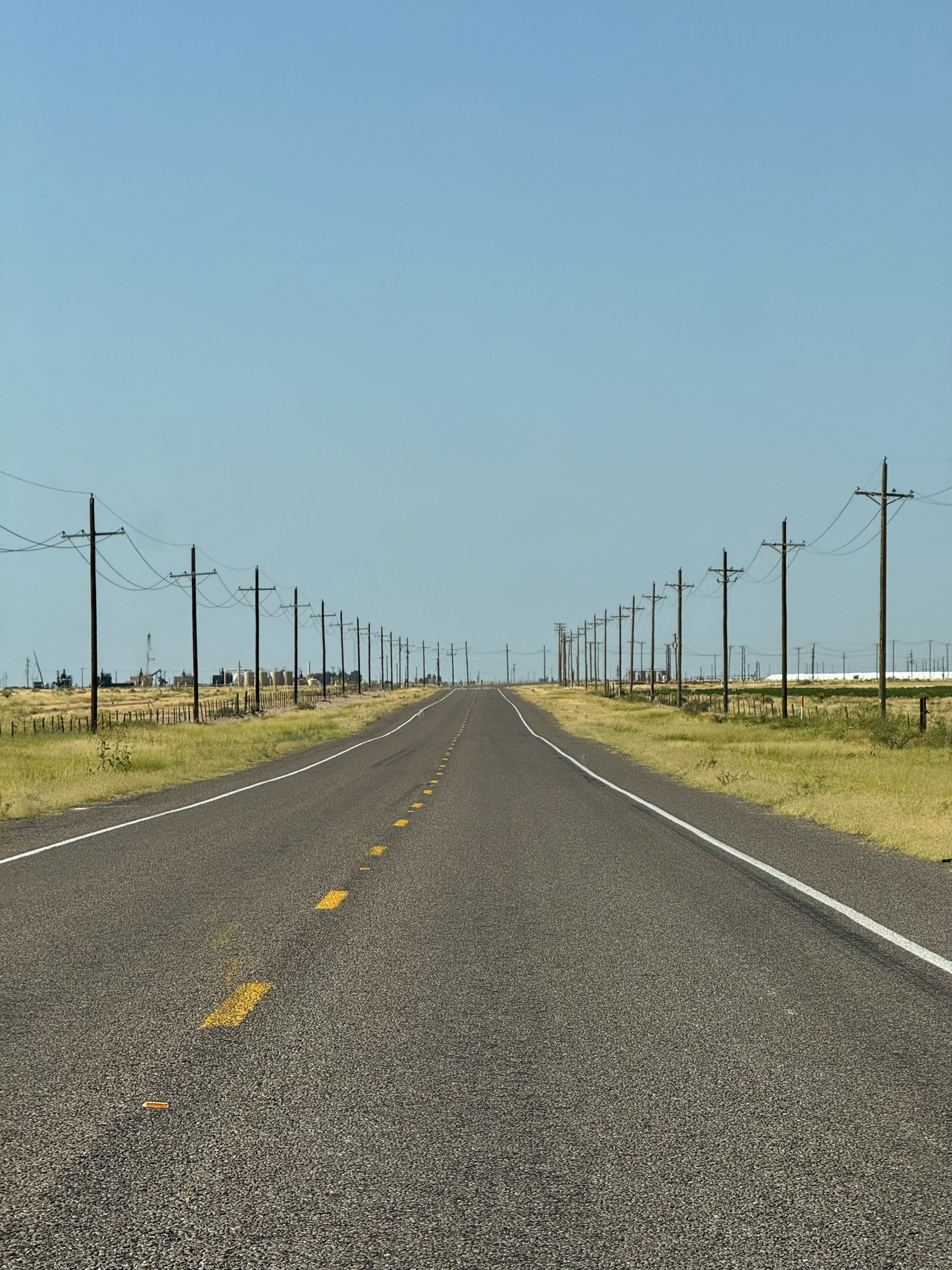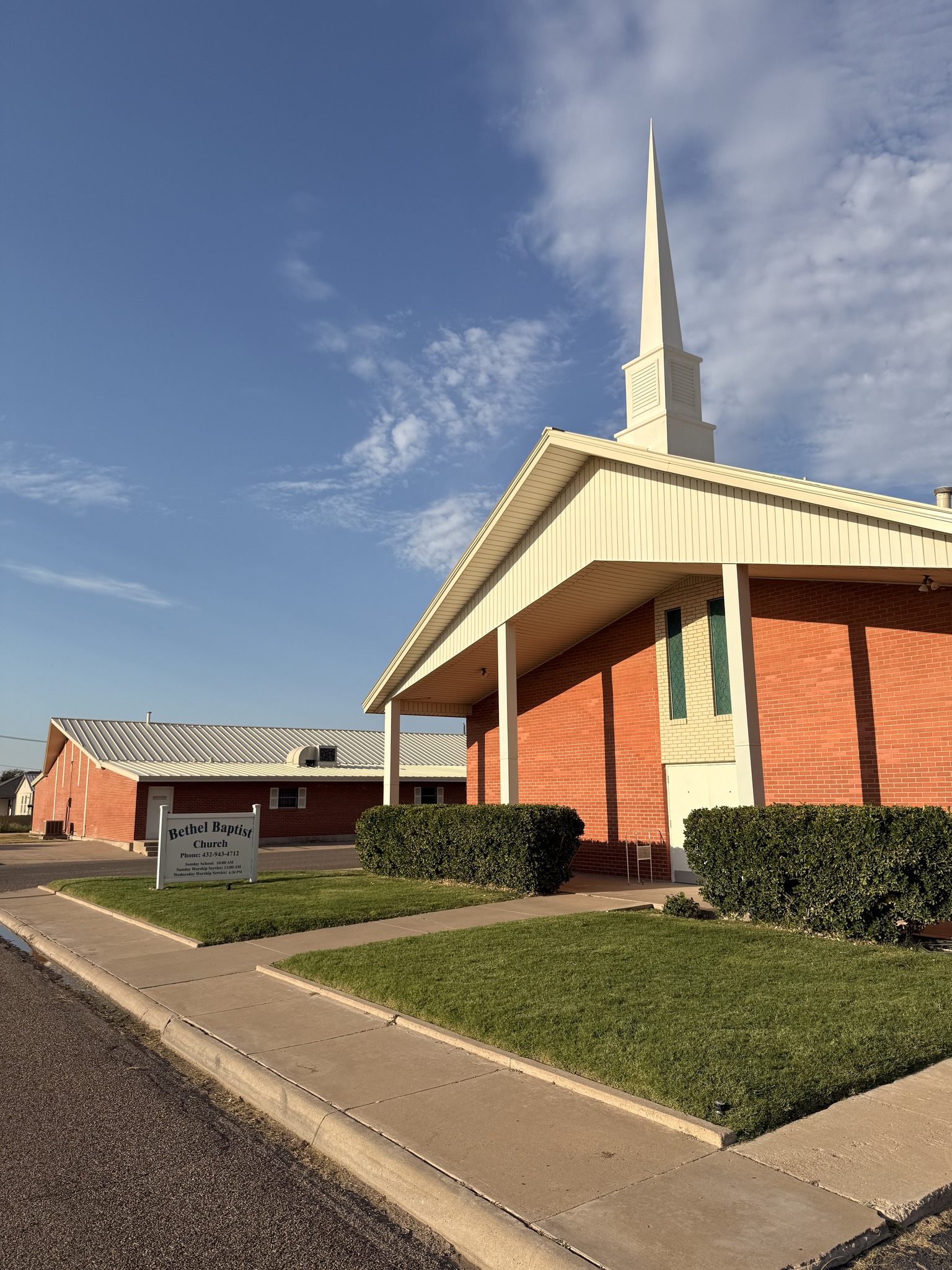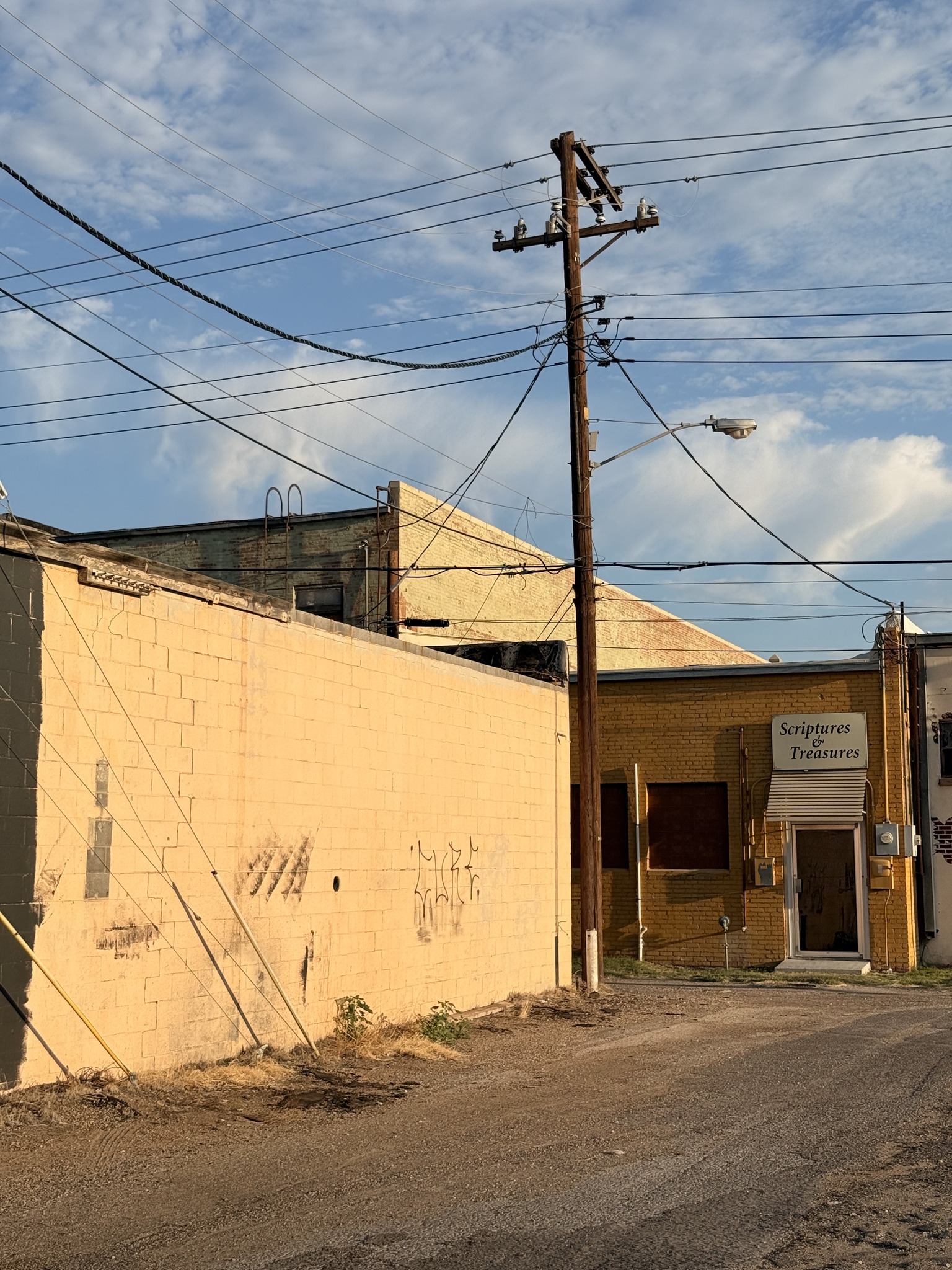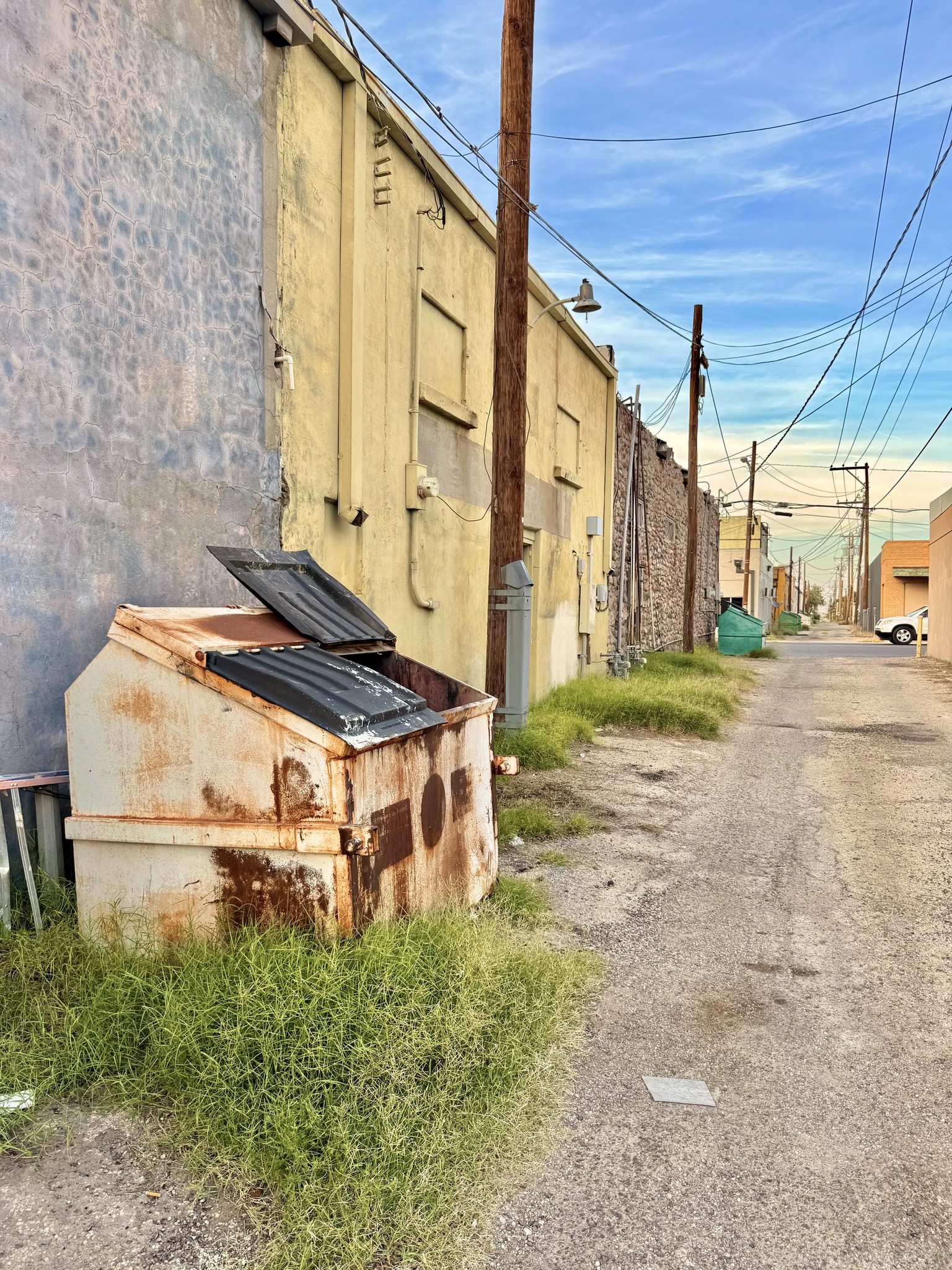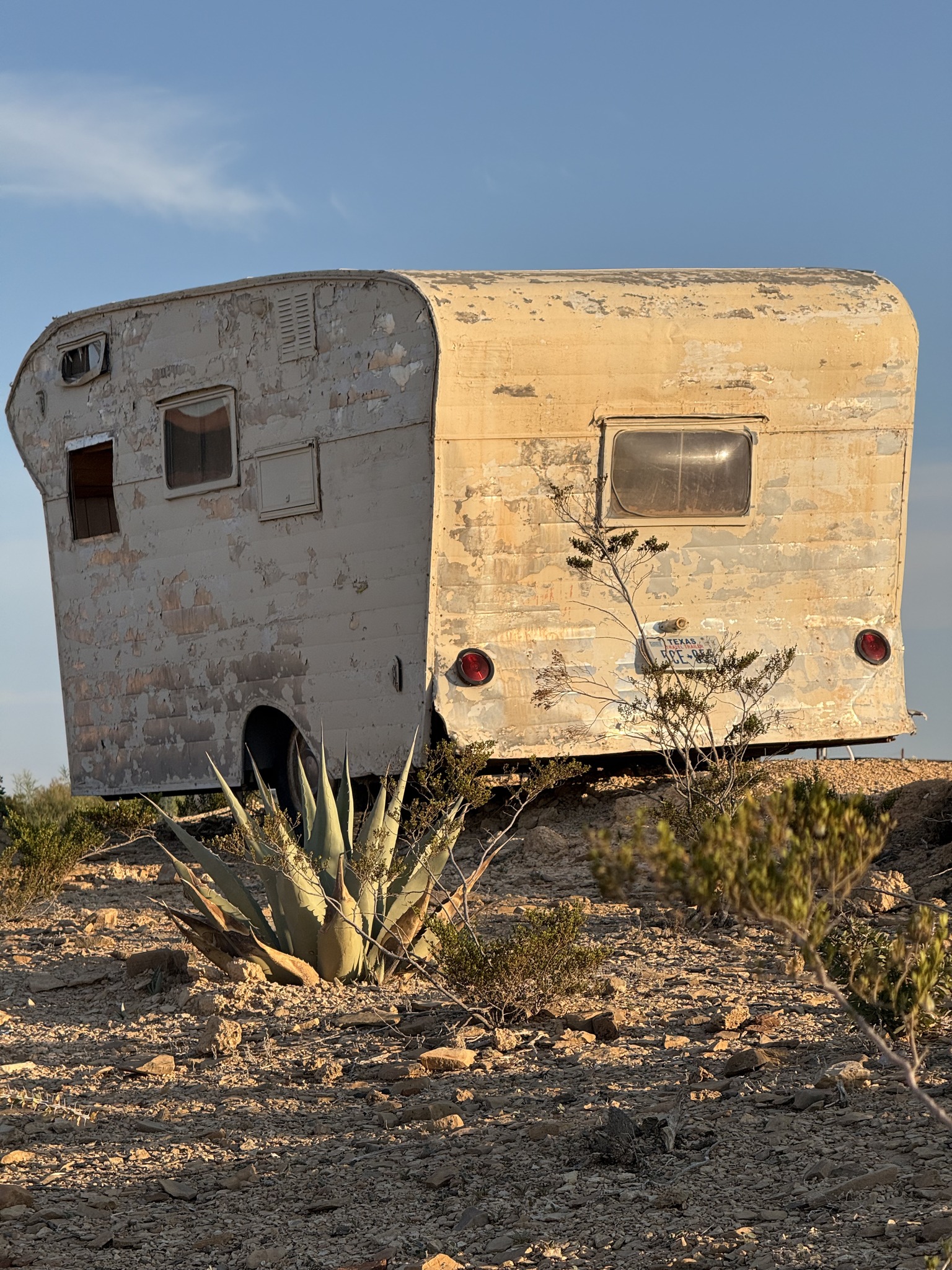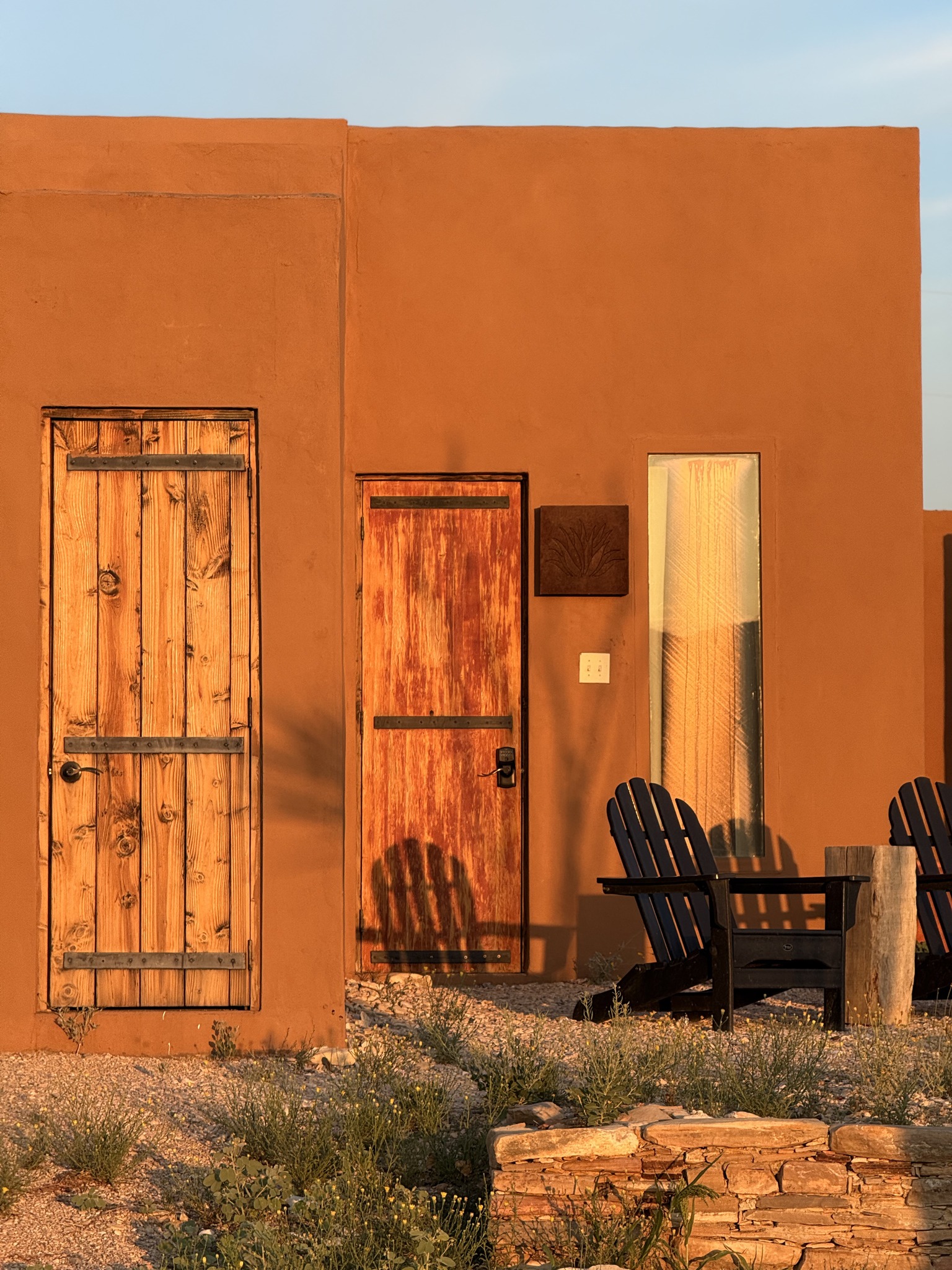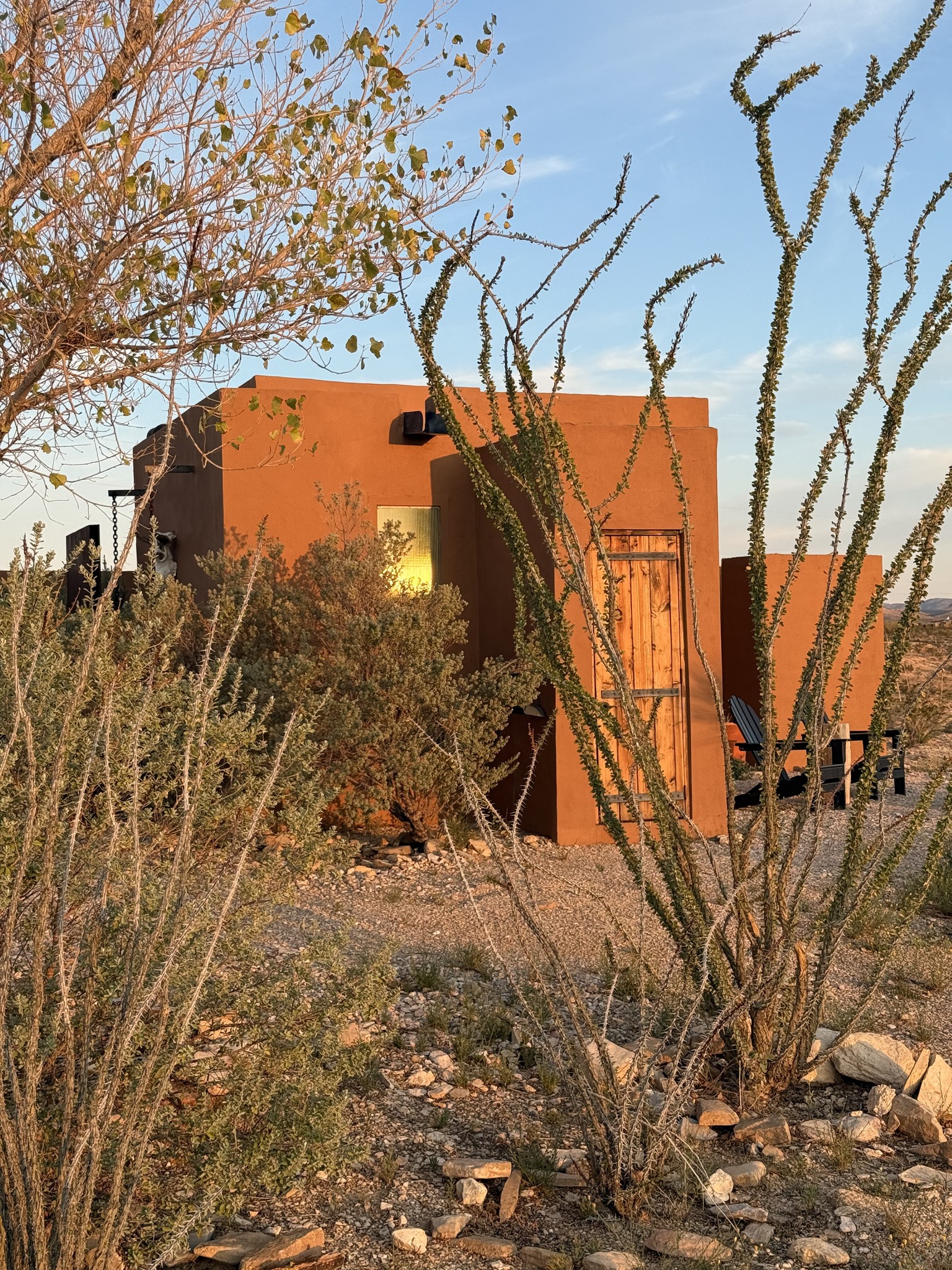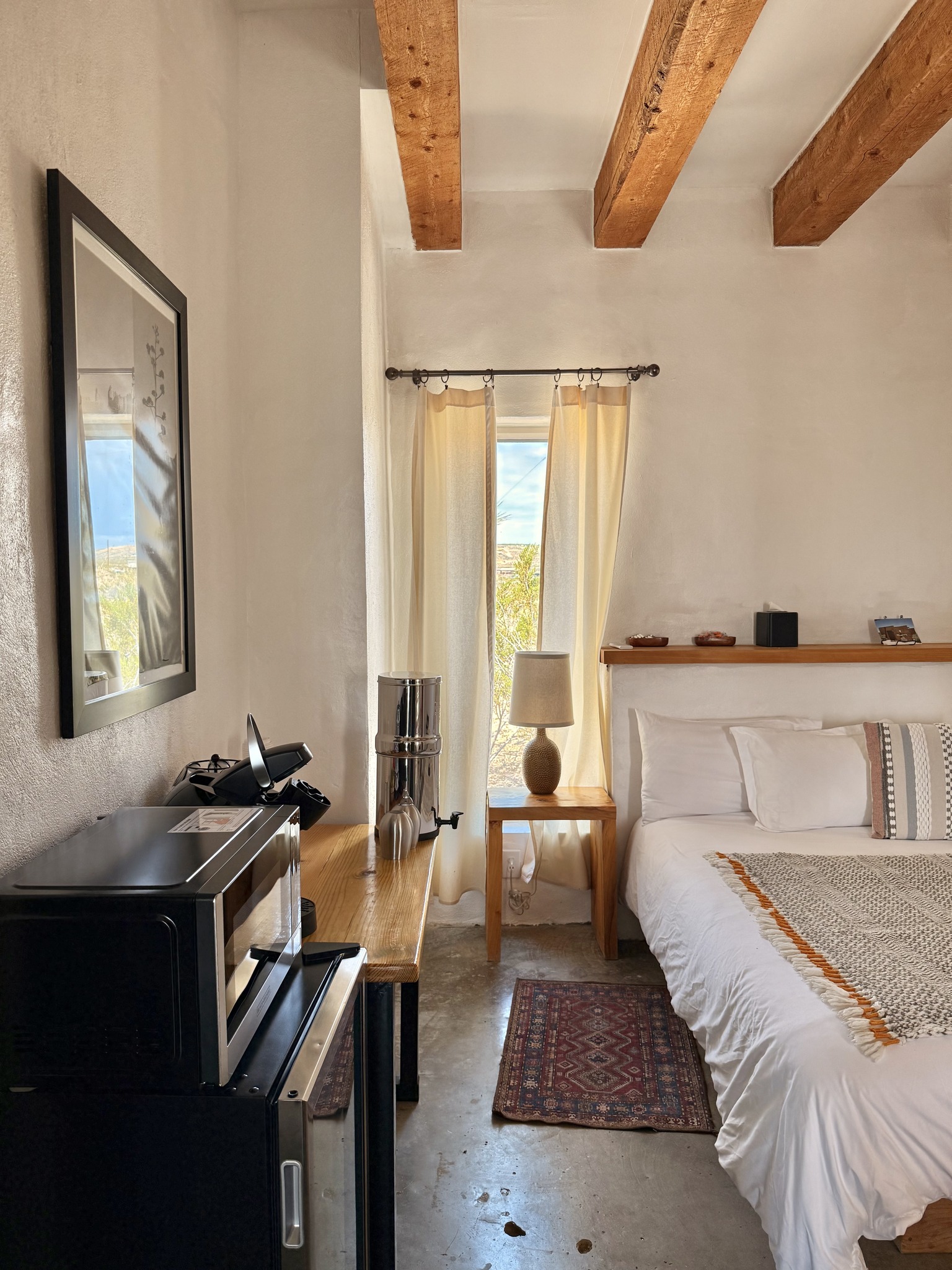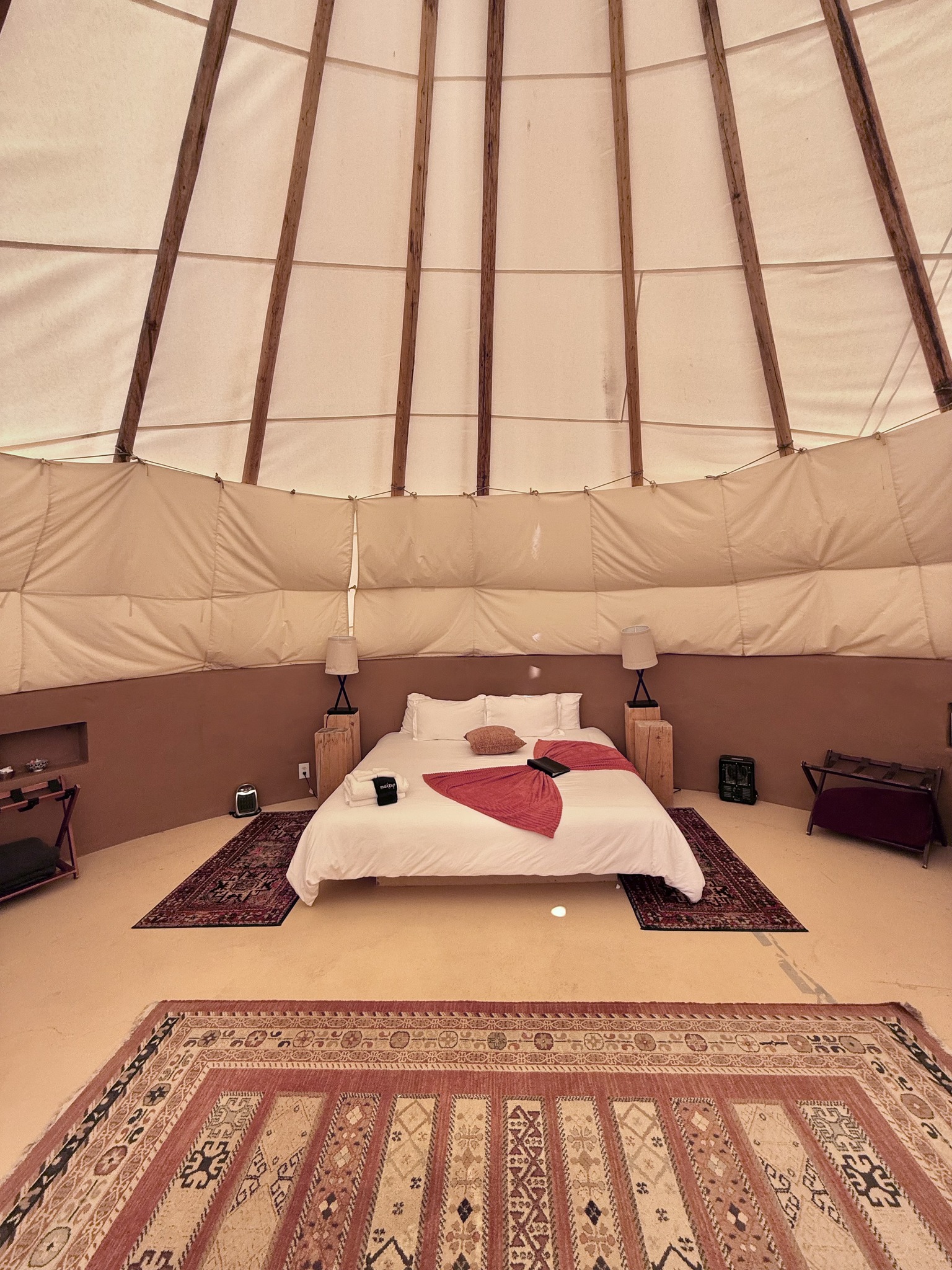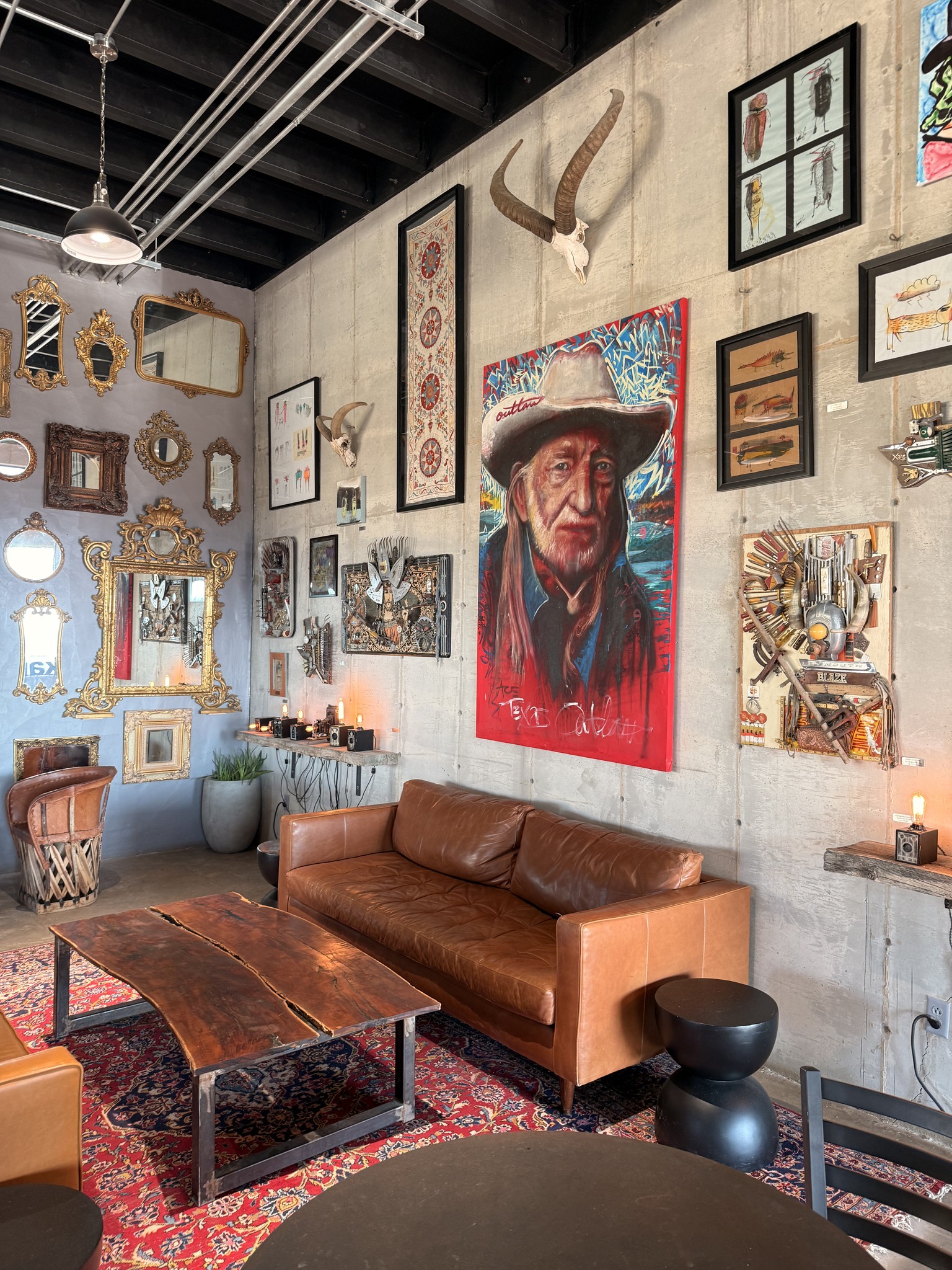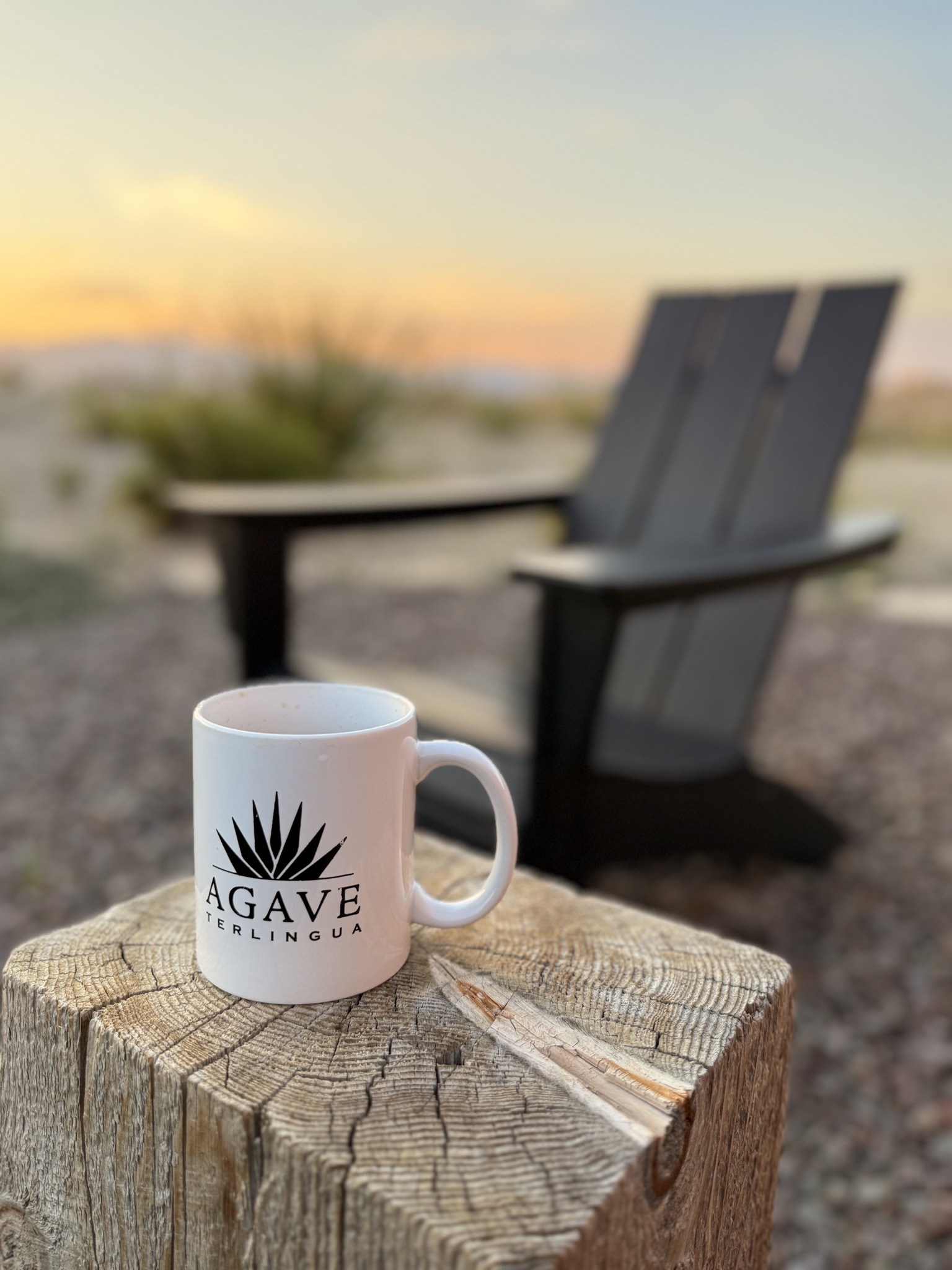
I shoot way more than I have time to edit and share.
Way more.
That means, sadly, I’m always behind. Behind on edits. Behind on posts. Behind on showing the work the way I want it seen. The way it deserves to be seen.
Oh well.
That’s the trade-off I’ve quietly made with myself. I’d rather keep shooting than keep up. I’d rather be present than productive. I’d rather have a camera full of memories than a perfectly curated feed.
And roadtripping—real roadtripping—only widens that gap.
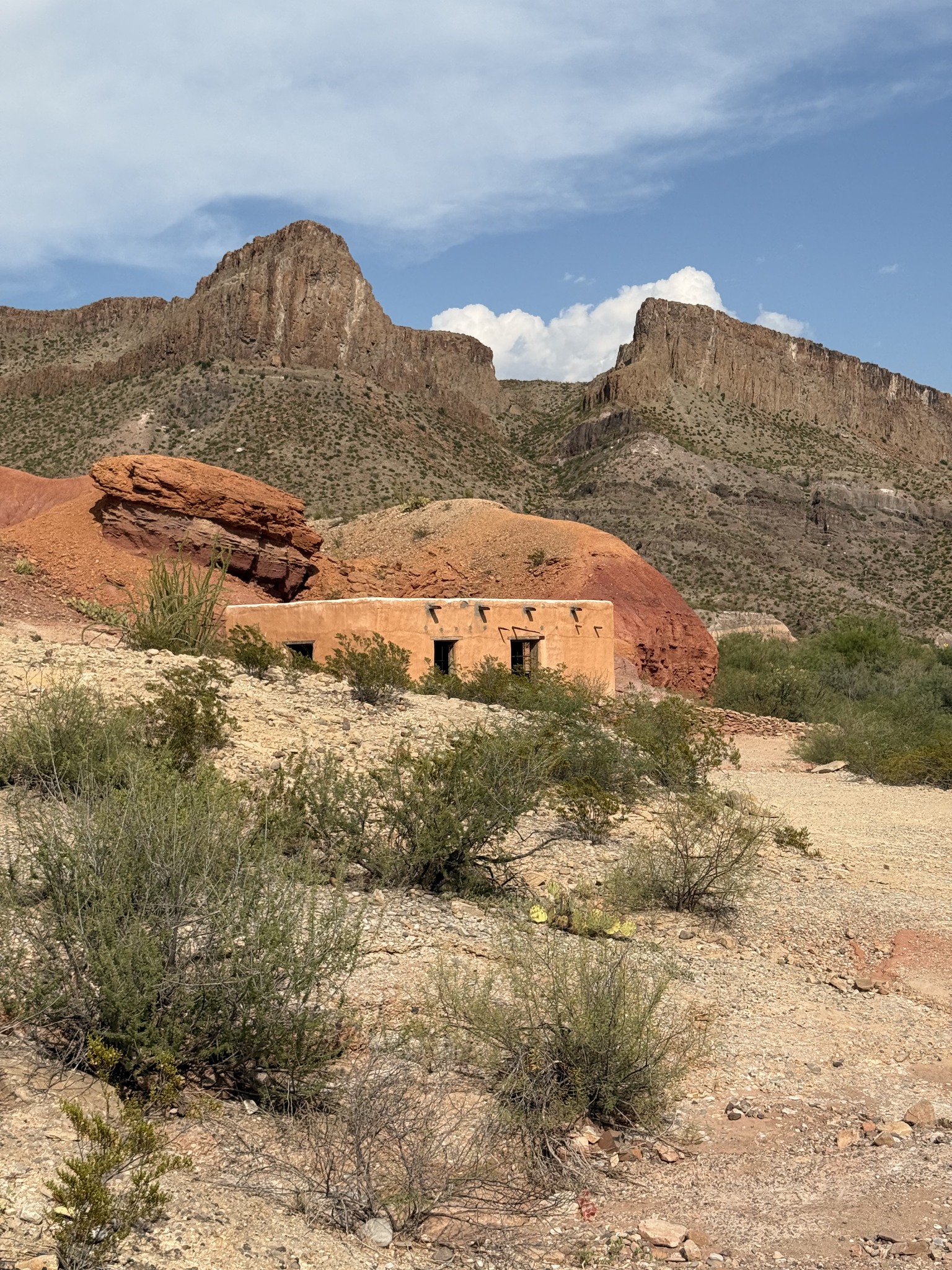
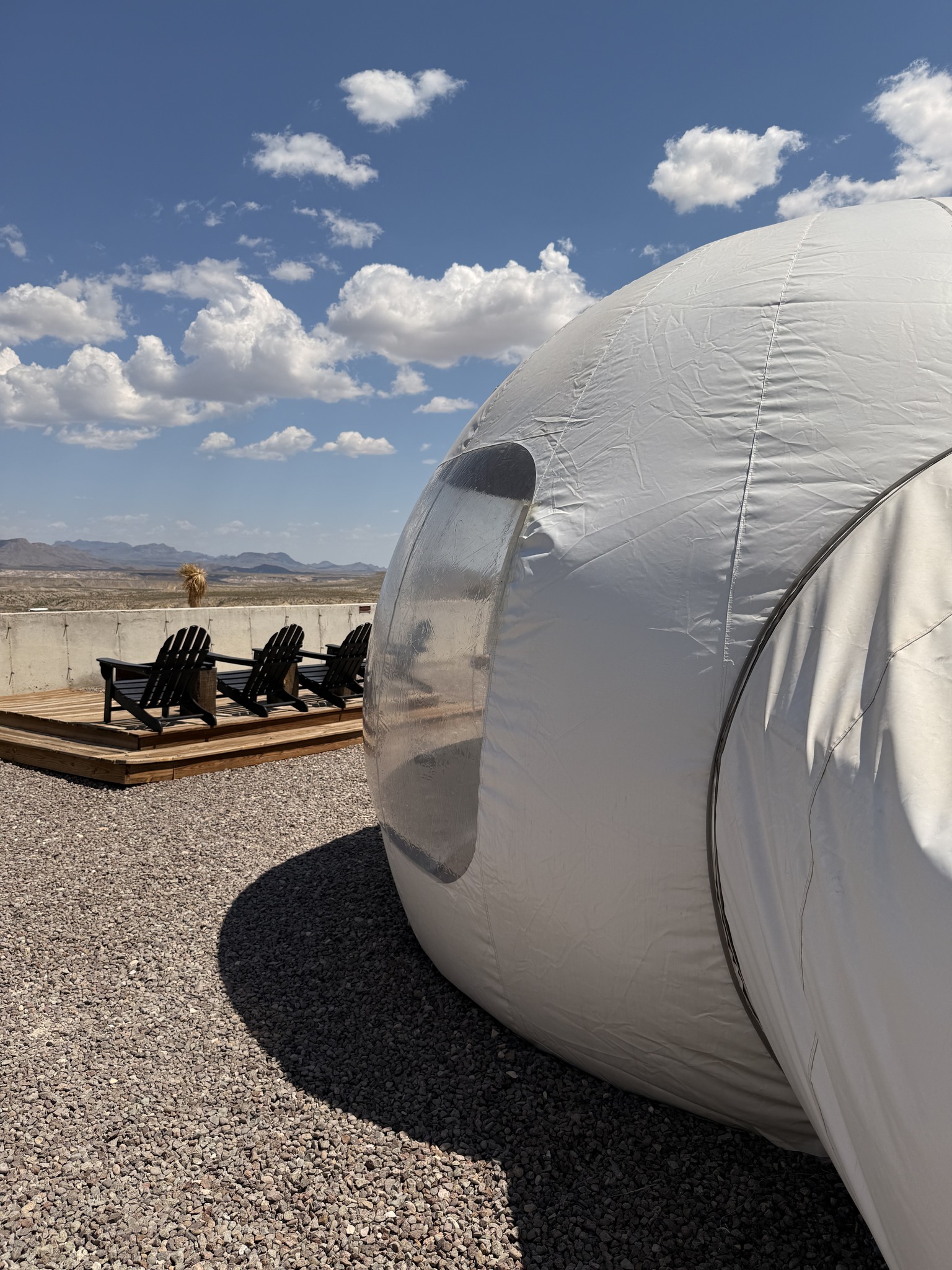
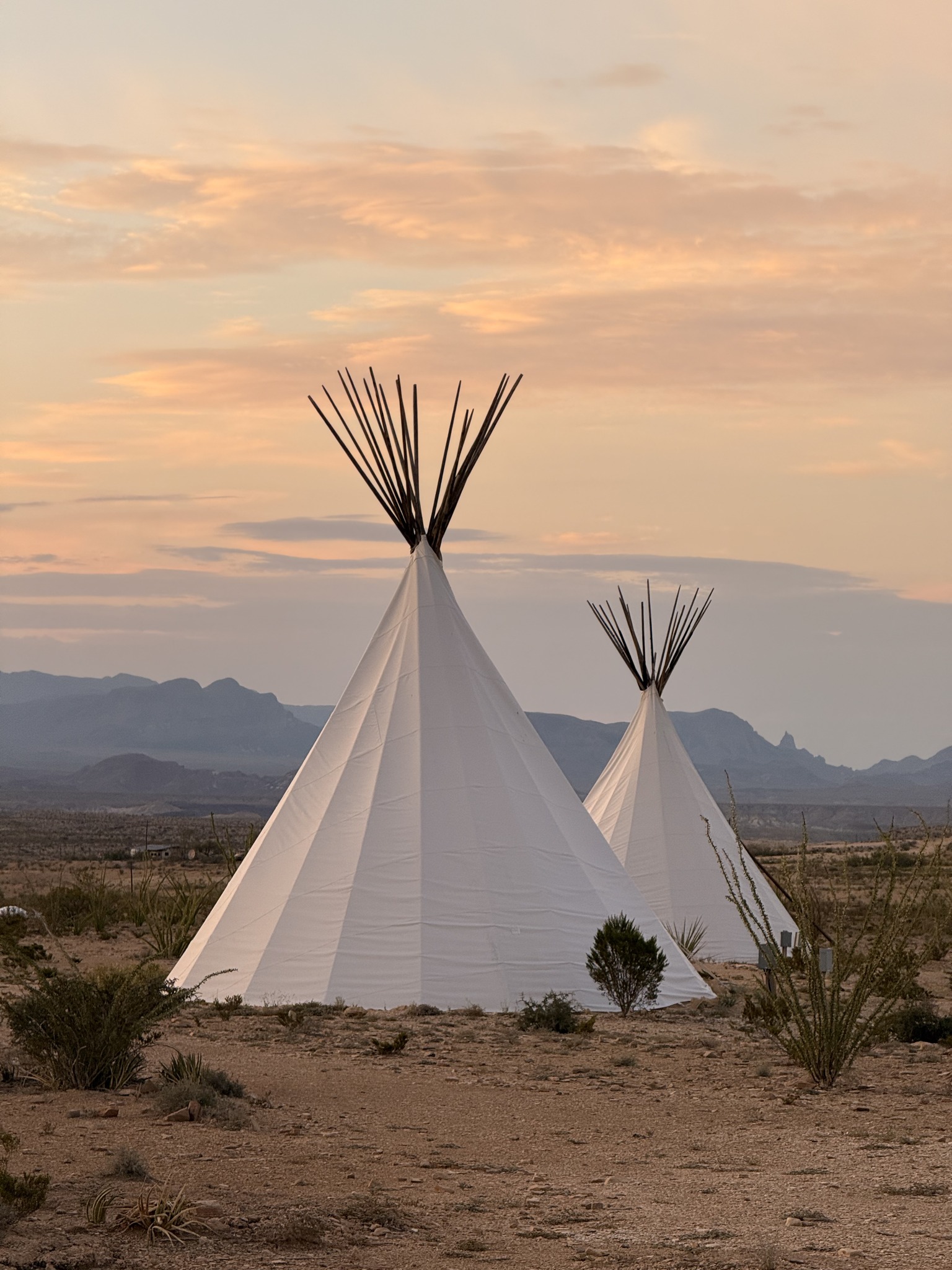
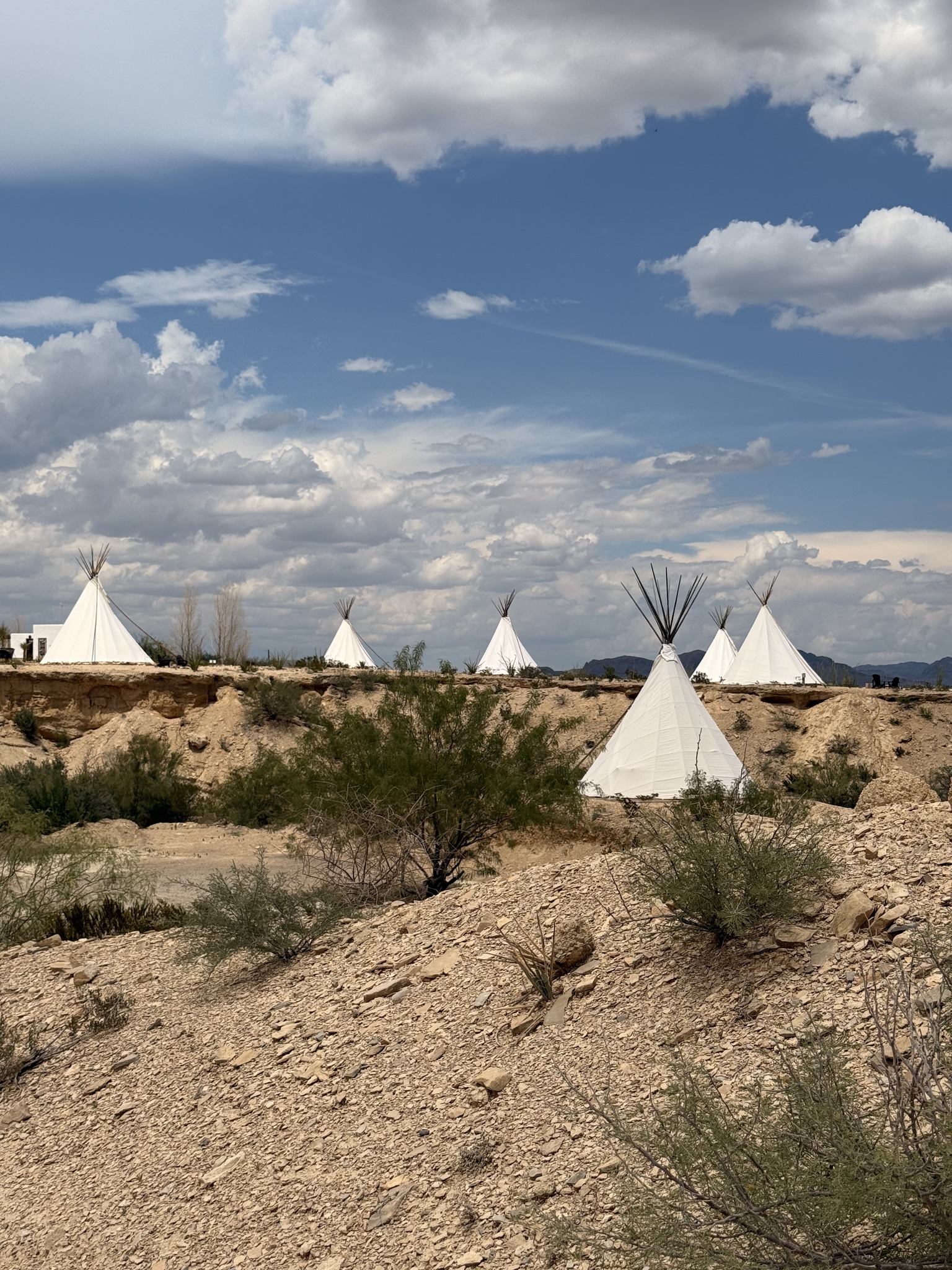
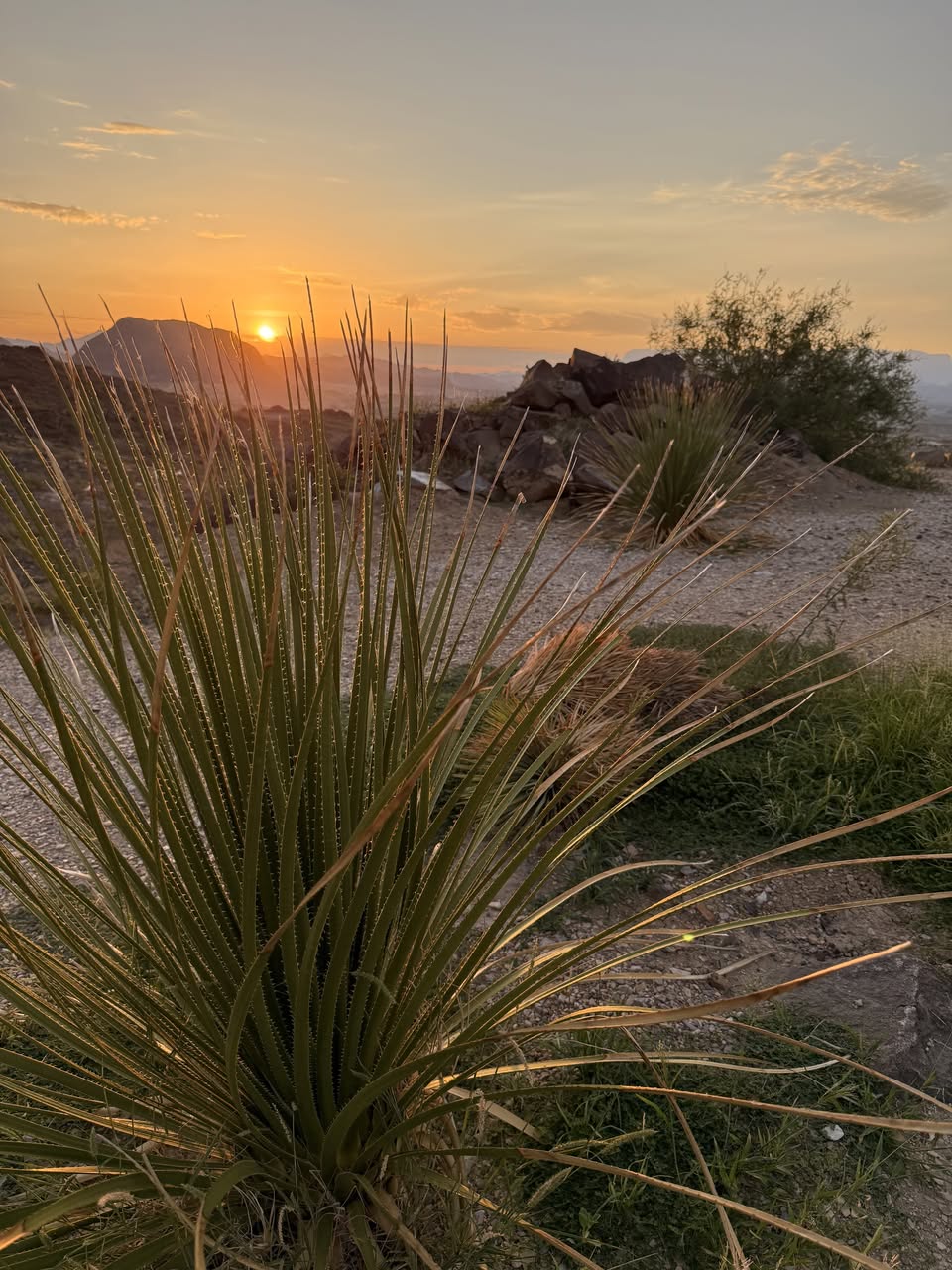
This was a short, week-long, late-summer road trip to West Texas. No epic plan. No tight schedule. No daily checklist of must-see locations. Just a direction, a car, a phone in my pocket, and a growing itch to get away from everything that buzzes, beeps, reminds, nudges, and demands.
Roadtripping, for me, has never been about distance. It’s about distance from noise.
We live surrounded by constant input. News cycles. Algorithms. Opinions. Notifications. Everybody wants something from you, and most of it is urgent, loud, and repetitive. Roadtripping is one of the few remaining acts of quiet rebellion. You leave. You unplug—at least a little. You trade speed for space. You give yourself permission to not know exactly what comes next.
West Texas is particularly good at this.
It doesn’t rush you. It doesn’t entertain you. It doesn’t perform. It just is.
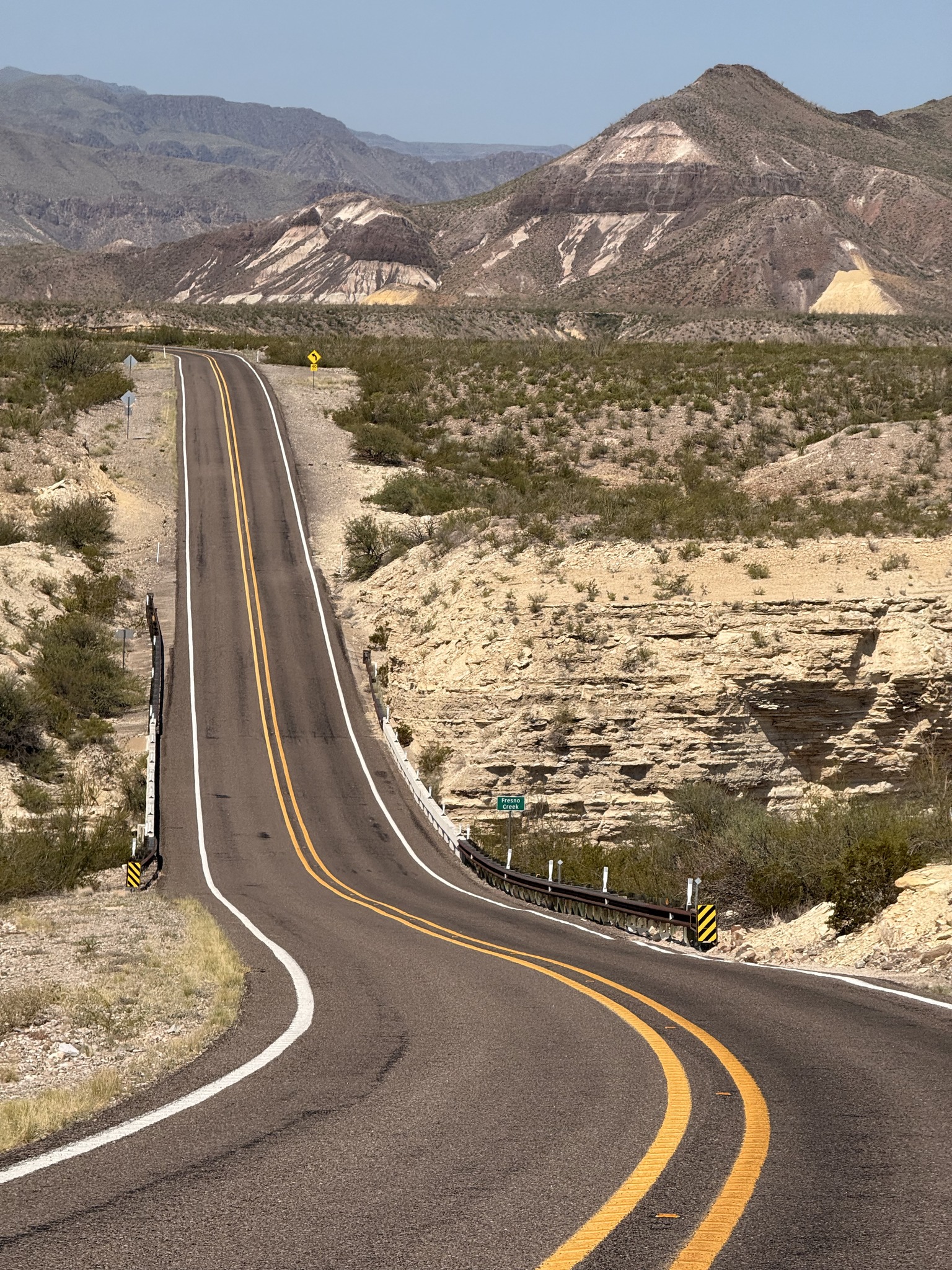
Long roads that seem to go nowhere. Towns that don’t try to impress. Light that changes slowly, deliberately, like it has nowhere else to be. The landscape doesn’t ask you to photograph it. It dares you to notice it.
That’s the difference.
Most people travel to capture something. I roadtrip to see something.
Seeing requires presence. Presence requires stillness. And stillness is almost impossible to find in daily life unless you intentionally remove yourself from it. Roadtripping forces that removal. You’re between places. Between obligations. Between roles. You’re not at home, not at work, not reachable in the same way. You exist in the in-between.
That’s where photography really starts.
When I’m roadtripping, I shoot constantly. Not because everything is amazing, but because everything feels honest. Gas stations. Empty cafes. Motel curtains glowing at night. Dust on dashboards. Shadows stretching across two-lane highways. These aren’t hero shots. They’re witnesses.
I don’t shoot West Texas to make it look grand. I shoot it to make it feel real.
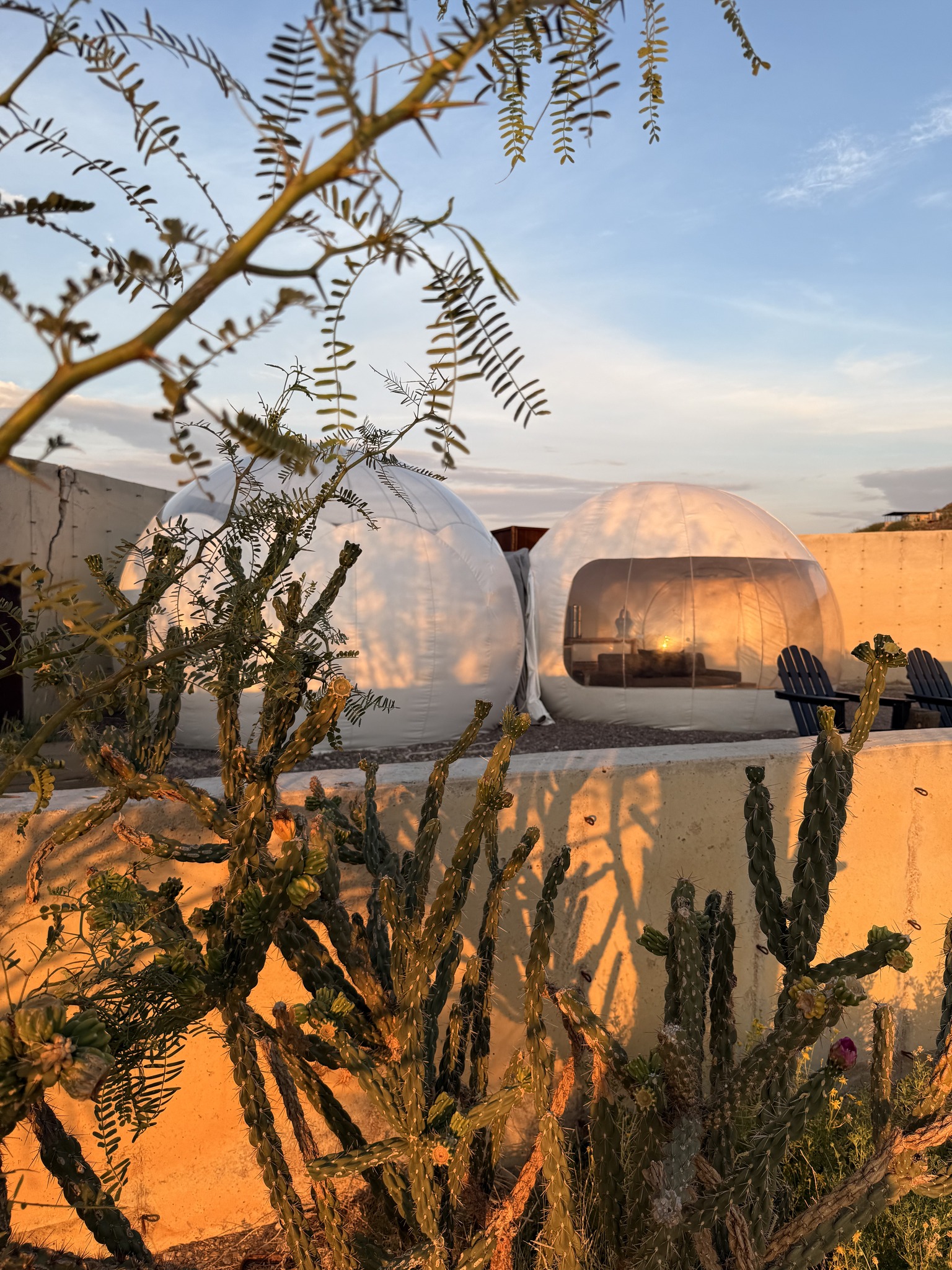
Late summer there is unforgiving. The heat is still heavy, but the light is softening. The sun sits lower, longer. Evenings stretch out. Mornings feel earned. There’s a tiredness in the land that mirrors your own. You’ve both been through a lot, and neither of you is pretending otherwise.
That’s when I slow down the most.
I walk more. I sit longer. I look without lifting the camera. I remind myself—again—that not every moment needs to be recorded. Some moments just need to be absorbed. Felt. Stored somewhere deeper than a camera roll.
Ironically, that restraint makes the photographs better.
When you’re present, you don’t chase shots. You recognize them. You sense when something is about to happen—the way the light shifts, the way a cloud opens, the way a scene settles into itself. You stop forcing. You stop overshooting. You let the place lead.
Roadtripping teaches patience. It teaches you that boredom is not the enemy. Boredom is the doorway.
Most people are terrified of empty space—empty time, empty roads, empty conversations. But emptiness sharpens awareness. In West Texas, there’s nothing to distract you from yourself. Your thoughts catch up. Your breath slows down. Your eyes open wider.
That’s presence.
I don’t listen to much on these drives. Sometimes music. Sometimes nothing at all. The road hum becomes its own soundtrack. Wind through open windows. Gravel crunching under tires. Silence punctuated by the occasional passing truck.
Silence is underrated.
It’s in silence that you realize how rarely you’re actually paying attention. How often you’re half-somewhere else. Roadtripping strips that away. You are here. Now. Mile after mile.
Photography benefits from that honesty. The pictures I make on these trips aren’t about technique. They’re about recognition. I recognize something in the scene, and I respond to it. Instinctively. Quickly. Without overthinking.
That’s why I shoot so much and edit so little on the road. Editing is analytical. Shooting, at its best, is visceral.
I don’t want to interrupt the experience by constantly judging it.
West Texas doesn’t care if I post the photos later. Or ever. It’s not performing for an audience. It exists whether I show up with a camera or not. That takes pressure off. The work becomes personal again.
And personal work doesn’t rush.
Some of these photos may not get edited for months. Some may never get shared. Some will surprise me later when I stumble across them and remember exactly how it felt to be there—tired, quiet, sunburned, grateful.
That’s enough.
Roadtripping reminds me why I picked up a camera in the first place. Not to prove anything. Not to keep up. Not to win attention. But to notice my own life as I’m living it.
To say, quietly: I was here. This mattered to me.
West Texas gives you room to remember that. Room to unwind. Room to breathe. Room to be present without apology.
And if that means I’m always a little behind on edits and posts?
So be it.
I’d rather be ahead on living.
Jack.