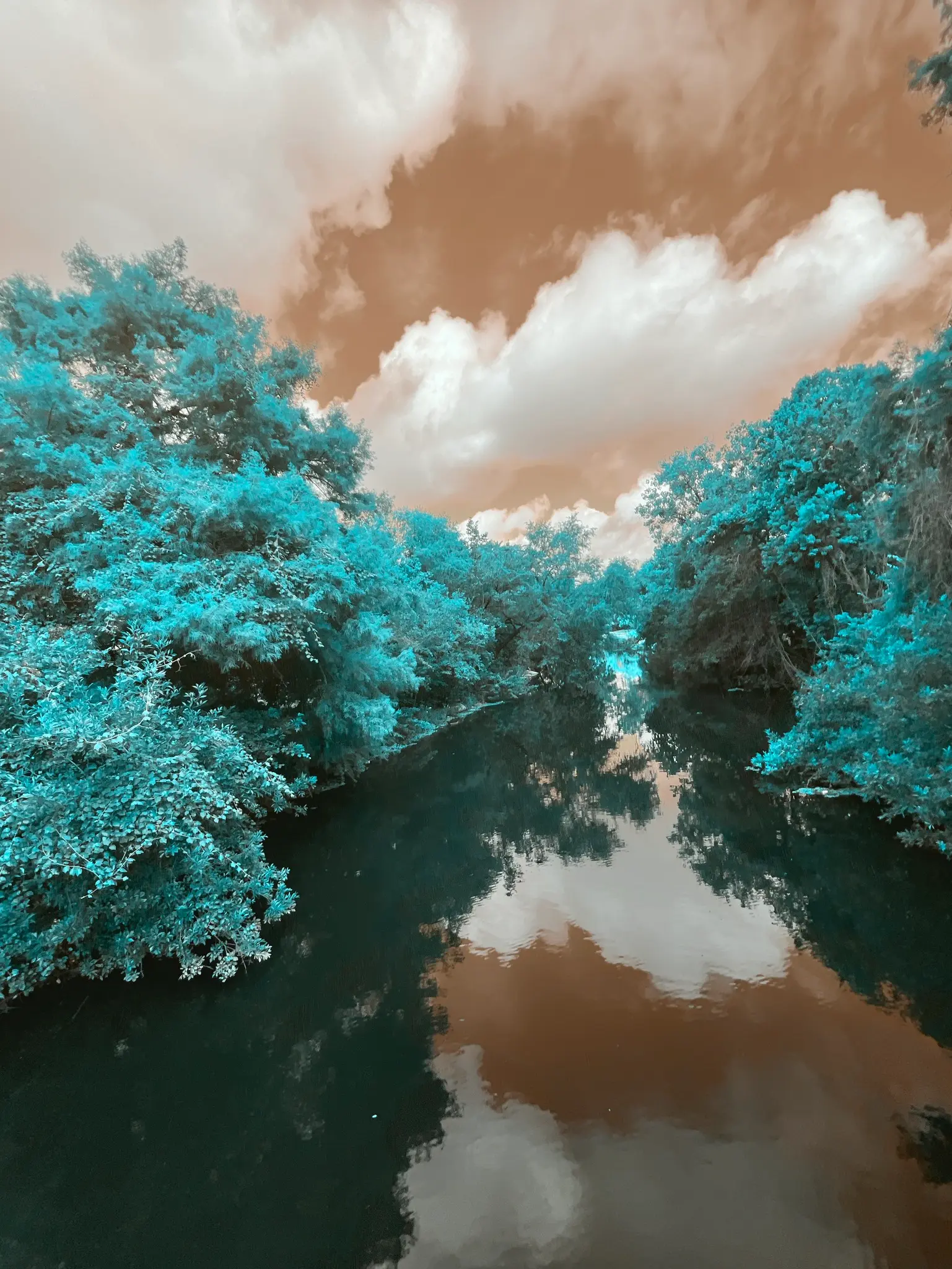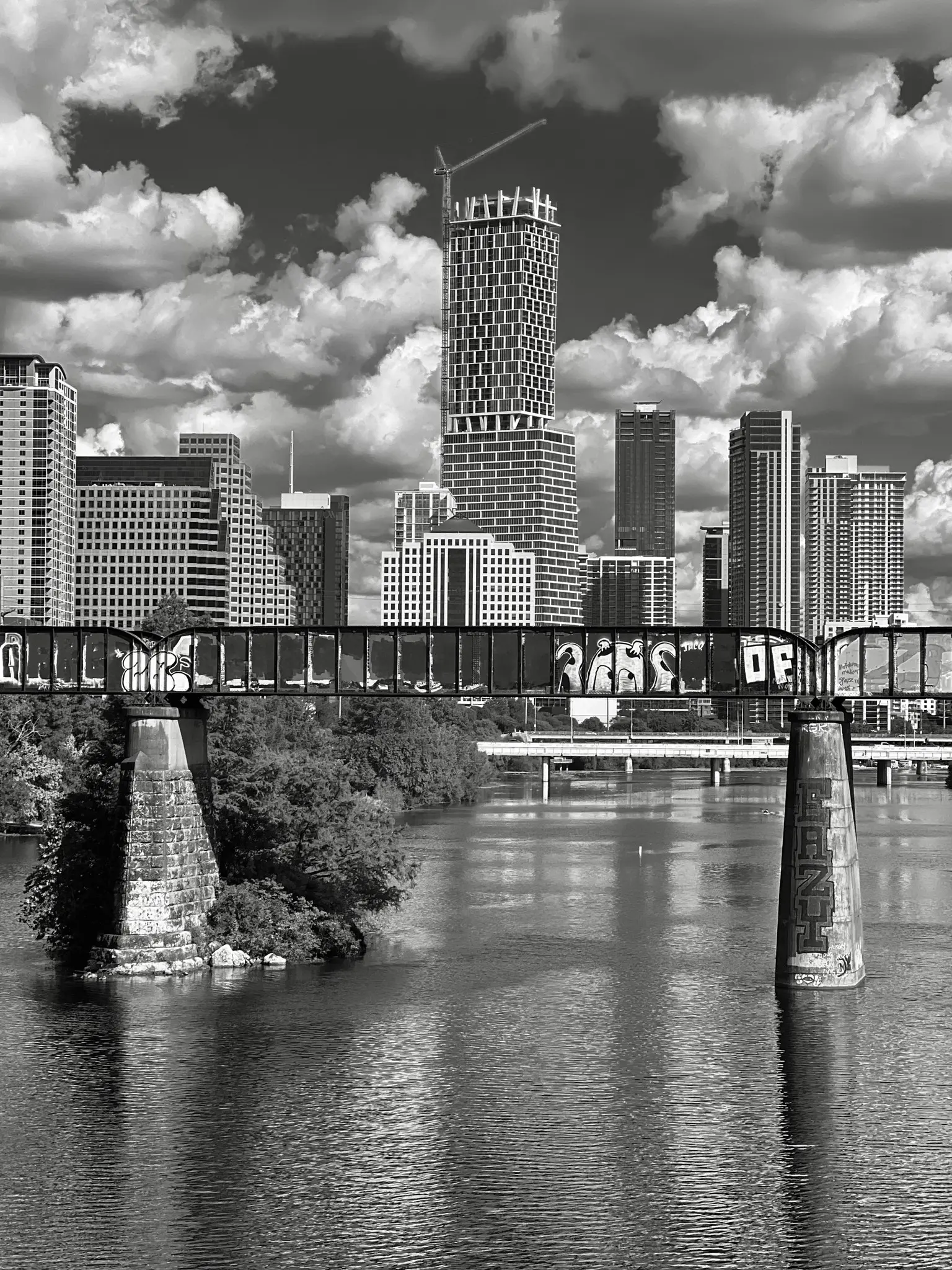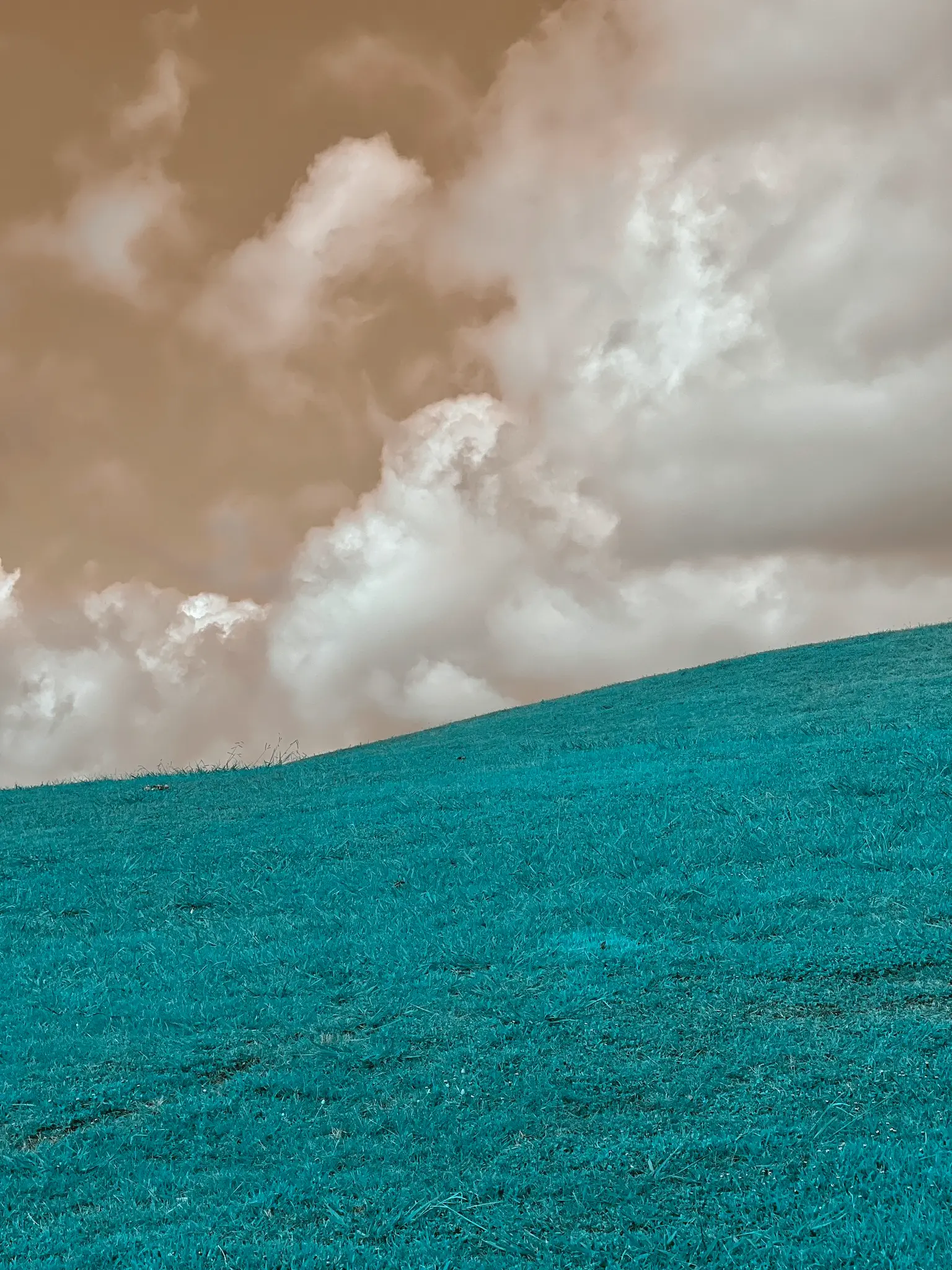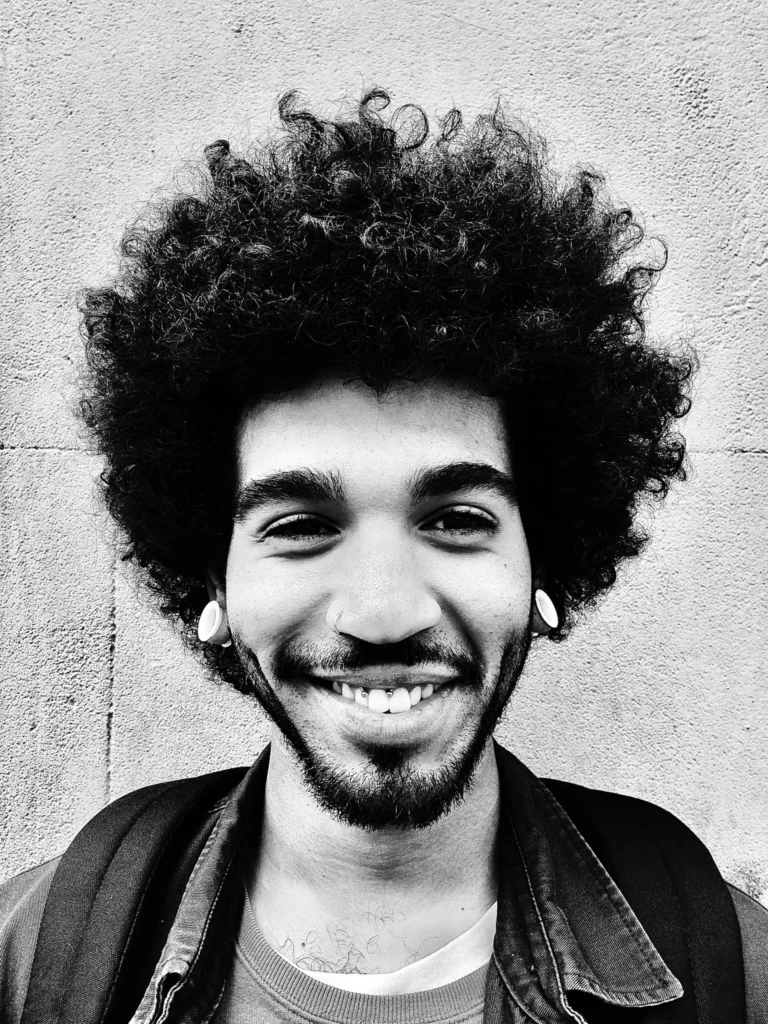
There was a stretch there, not that long ago, when I was deep into an app called Firstlight. Same folks behind Filmic Pro—which, if you’ve been around mobile photography and video for any length of time, you already know was the gold standard for a while. These days, much of that energy has shifted over to Blackmagic Camera, but that’s a whole different rabbit hole.
What matters here is this: buried inside Firstlight was a little feature that never quite got the attention it deserved. An “Infrared” tab. Easy to miss. Easy to dismiss.
And yet, for me, it opened up an entirely different way of seeing.
Now let’s be clear about something right out of the gate. This is not true infrared photography. There’s no sensor modification, no filters screwed onto lenses, no wavelength magic happening under the hood. What you’re seeing is simulated infrared—software-driven, algorithmic interpretation of what infrared might look like.
And still… it works.
It works in the same way that black and white works. In the same way that a high-contrast preset or a blown-out highlight sometimes works. Not because it’s technically “accurate,” but because it shifts how we see. It forces the eye—and more importantly, the photographer—to reconsider what matters in the frame.
I’ve always had a thing for infrared. Long before the iPhone. Back when it meant carrying specialized film or hacking digital cameras to remove internal filters. Infrared had this otherworldly quality to it. Trees glowing white. Skies dropping into deep, dramatic darkness. Skin tones going ghost-like. It never looked like reality—and that was the point.
It felt like stepping sideways into another version of the same world.
And that’s exactly what I’m after when I shoot with it on the iPhone.
But here’s the truth most people won’t tell you: your first attempts are going to suck.
Not a little. A lot.
Because infrared—real or simulated—doesn’t behave like the photography you’re used to. Light reacts differently. Contrast builds in strange places. Subjects that normally carry a photo suddenly fall flat, while others you’d typically ignore come alive.
You can’t just point your iPhone at anything, tap the shutter, and expect magic.
You’ve got to work for it.
You’ve got to experiment. Tweak. Adjust. Shoot, review, shoot again. You have to start noticing which scenes respond well to that infrared treatment. Foliage is a big one. Bright daylight helps. Hard light, even better. Shadows become part of the composition in a way that feels more graphic than photographic.
And slowly—almost without realizing it—you begin to see differently.
That’s the real gift here.
Not the effect. Not the novelty. But the shift in perception.
These images I’m talking about? They weren’t shot on some grand expedition. No trip halfway around the world. No elaborate setup. No tripod planted in sacred ground.
They were made casually. Almost carelessly, if I’m being honest.
Bike rides. Around the Austin hike-and-bike trail. Midday light. Sweat on my back. No agenda other than getting out, moving my legs, and carrying a camera in my pocket like I always do.
Which is kind of the point.
We spend so much time chasing the extraordinary in photography. The epic location. The perfect light. The once-in-a-lifetime moment. And yeah, those are great when they happen.
But most of life isn’t lived there.
Most of life happens in the in-between. The everyday. The familiar loop around the lake. The path you’ve seen a hundred times before.
Infrared—especially this simulated version—has a funny way of making the familiar feel unfamiliar again.
It reintroduces surprise.
And as photographers, we need that. Desperately.
Because once everything starts looking the same, once every shot feels predictable, once you can call the outcome before you even raise the camera—that’s when things start to die a little.
Creatively speaking.
So you reach for something like this. Not because it’s better. Not because it’s more “professional.” But because it disrupts your habits.
It forces you to slow down. To question. To look again.
And maybe that’s the bigger story here.
Not infrared. Not Firstlight. Not even the iPhone.
But the idea that sometimes, to move forward creatively, you don’t need a new camera.
You need a new way of seeing.
And if a little simulated infrared tab buried inside an old app can give you that—even for a moment—then it’s done its job.
Stay with it.
Keep tweaking.
And don’t worry if your first shots don’t look like mine.
They shouldn’t.
That’s how you know you’re actually doing the work.
Clic.
Jack.