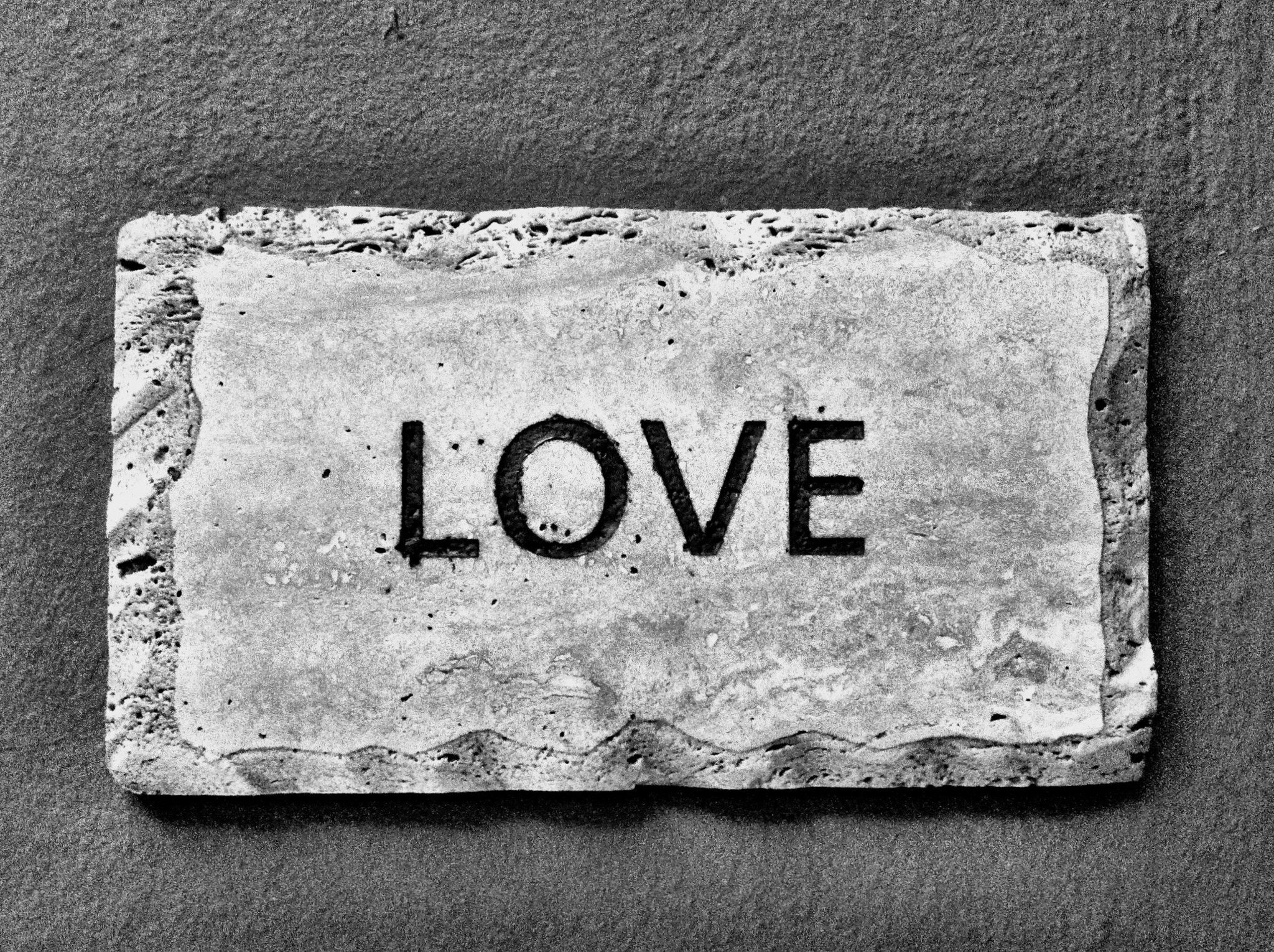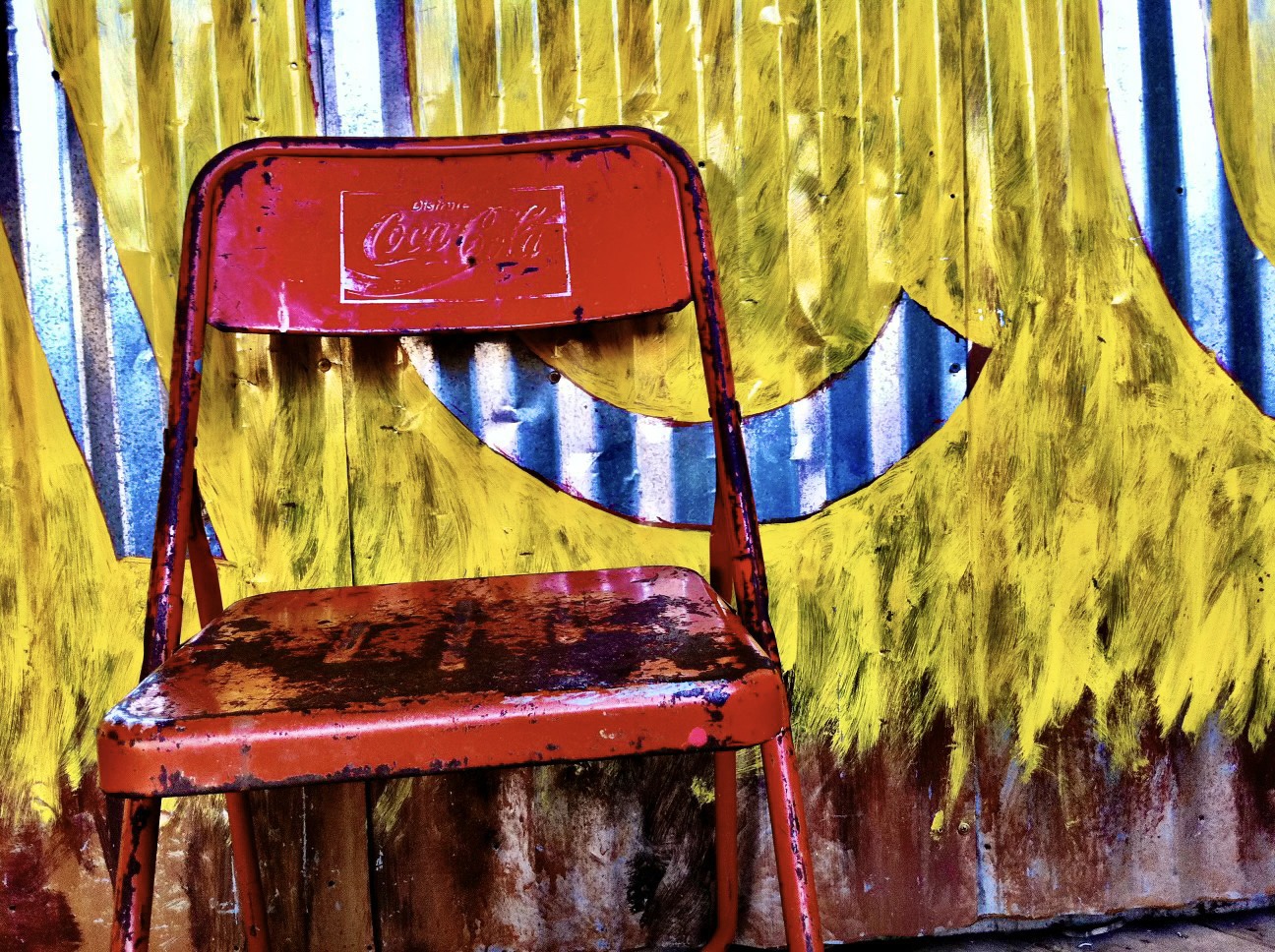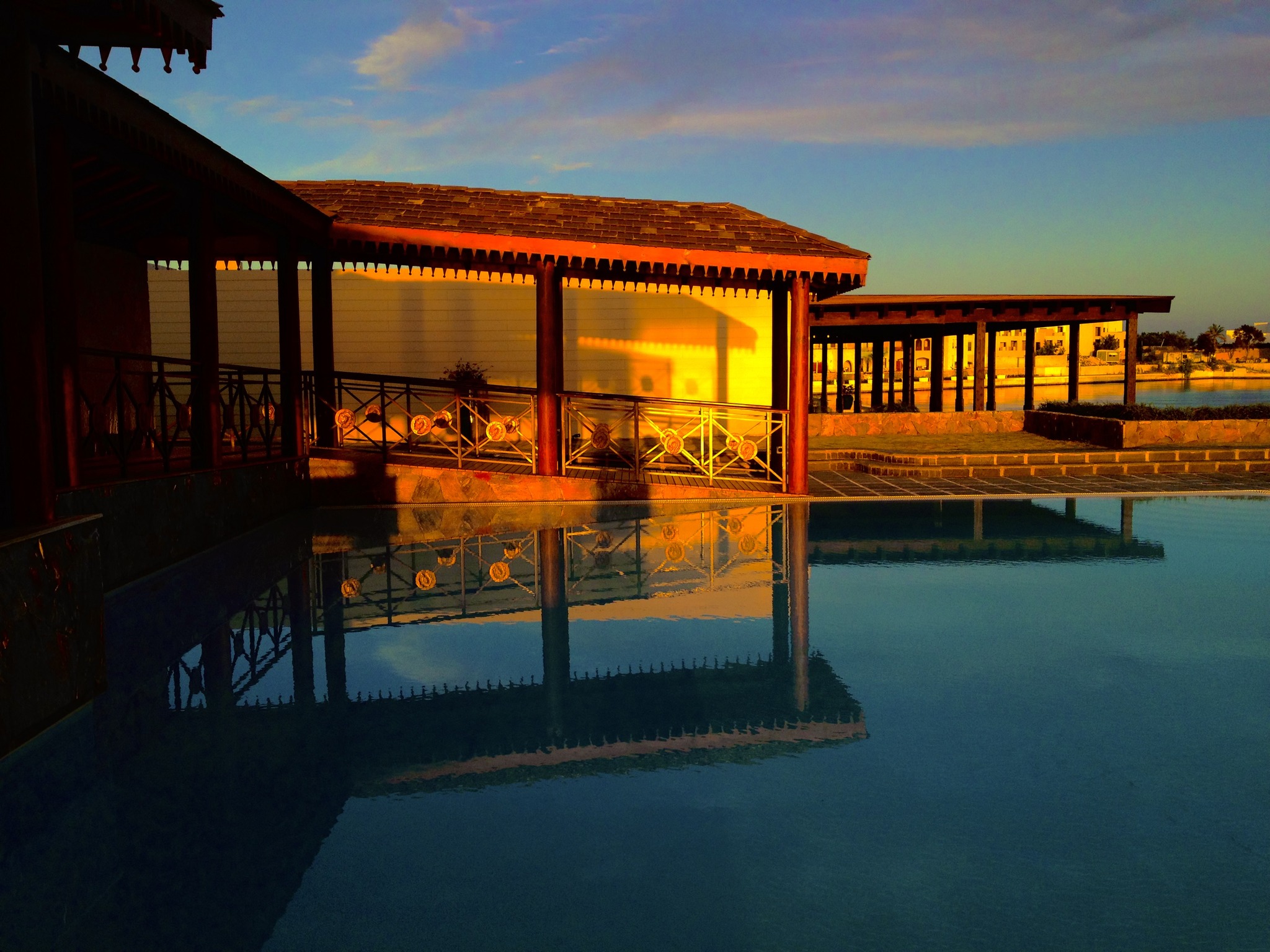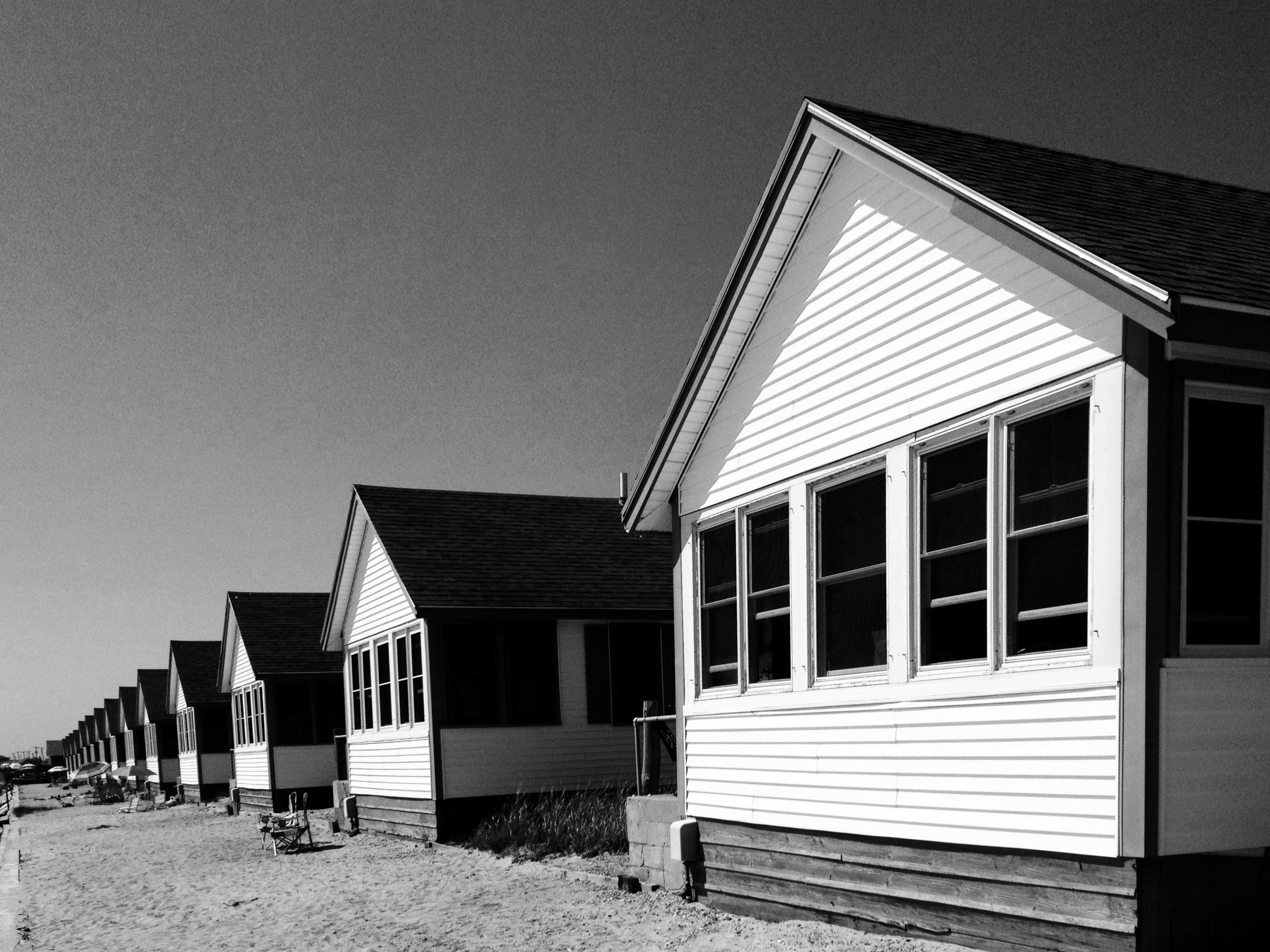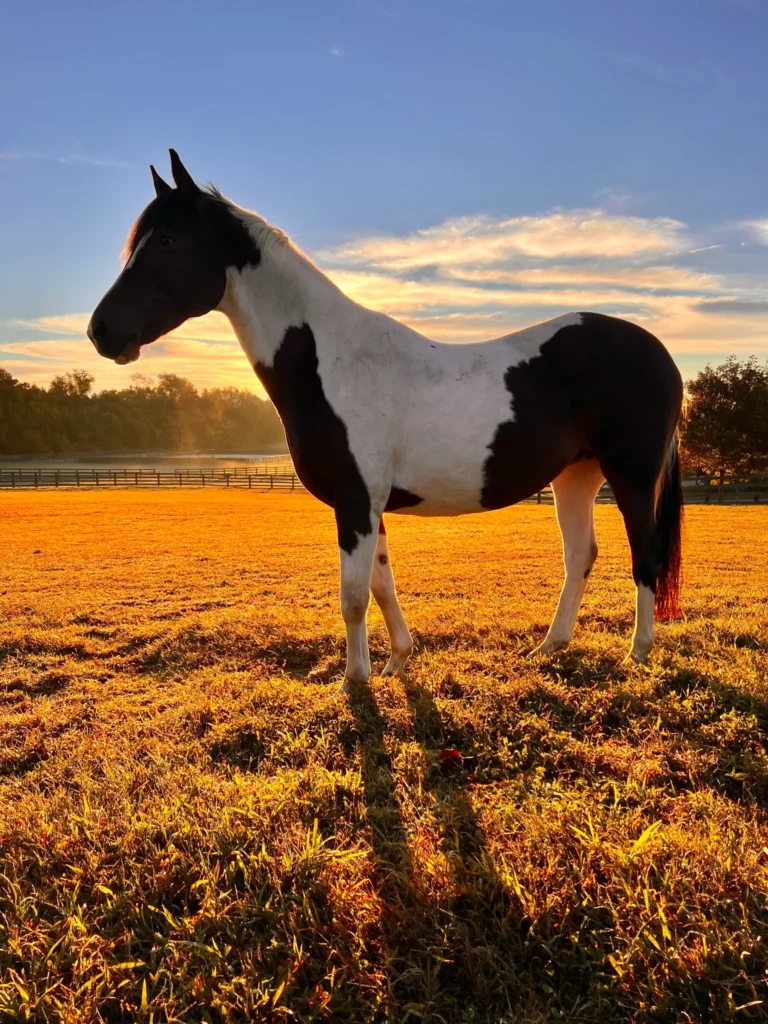
Last night, at the photowalk, someone asked me a question that used to be obvious but now feels oddly complicated: “Do you still shoot horizontals?”
I laughed and said, “Yes, of course I do… sort of.”
But the truth is, I don’t shoot them as much anymore. Not nearly as much. And I don’t miss them either.
This might sound sacrilegious to a lifelong, career photographer who spent three solid decades shooting almost nothing but horizontal frames. Back in my commercial big-camera days, horizontal was the default. The expected. The required. Clients, art directors, and magazines designed for the spread. For the layout. For the billboard. For the brochure. All horizontal. All the time.
So I got good at it. Really good. I learned to tell stories from left to right. I knew how to weight a frame, balance foreground and background, move the eye through the horizontal expanse. I could build a shot like a carpenter framing a house—measured, methodical, mathematically sound. I was fluent in the language of landscape orientation.
But when I picked up the iPhone in 2011, everything changed. Almost overnight, I started seeing in vertical. Feeling in vertical. Shooting in vertical. And it wasn’t just a rebellion against the decades I’d spent glued to the horizontal frame. It was also that verticals—these once-maligned, awkward, clunky compositions—suddenly felt more intuitive.
Especially with a phone in hand.
Look around: most people hold their phones vertically. Most apps are designed for vertical scrolling. Instagram, TikTok, Reels, Shorts—they all favor vertical. It’s how we consume media now. Vertical isn’t just a format anymore. It’s a cultural posture. An ergonomic default.
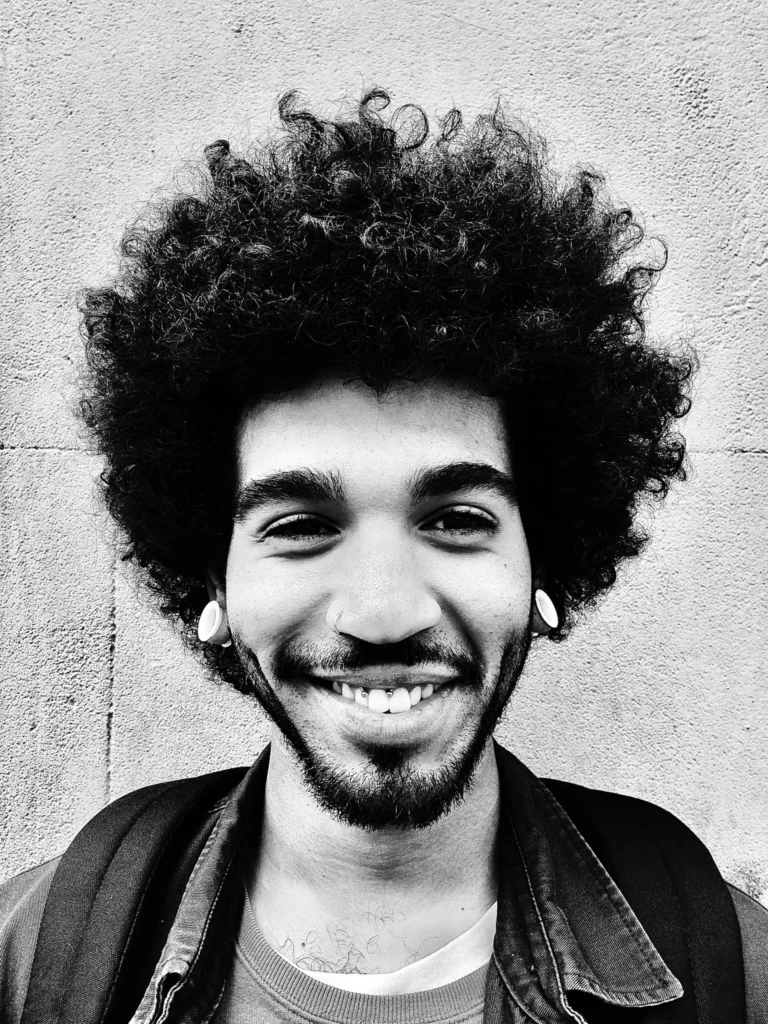
So when I shoot, I tend to default vertically, too. Not because I’m trying to be trendy or optimize for social, but because that’s just how I see now. And if you’ve followed my work for any length of time, you’ve probably noticed that trend. My Instagram grid is a towering forest of verticals. My photobooks lean heavily on portrait orientation. Even when I shoot landscapes, I often turn the phone upright and capture them standing tall, not sprawling wide.
It’s not a hard rule. I still shoot horizontal when the subject or the story demands it. When the lines run long. When the horizon stretches out in a way that begs for more breathing room. When there’s symmetry to be found between left and right. Or when I just want to challenge myself to break the habit.
But horizontal is no longer my go-to. It’s a tool, not a crutch.
Now, to be clear, I’m not here to start a format war. There’s nothing inherently better about vertical or horizontal. They’re just different visual languages. Different rhythms. Different shapes for different stories.
But here’s what I’ve noticed: horizontal asks you to step back. To widen your stance. To take in the whole. It invites landscape. Group shots. Context. Room.
Vertical, on the other hand, pulls you in. It’s tighter. More focused. More intimate. It’s great for isolating subjects, for exaggerating height, for stacking foreground and background in meaningful ways. It demands less space, but offers more intensity. It can feel like a portrait of the world, rather than a panorama of it.
And with iPhone photography—especially for someone like me who travels light, works fast, and rarely uses add-ons or accessories—vertical just fits. It works for the way I shoot, the way I move, the way I share.
There’s also this: vertical feels more human.
Maybe that sounds strange, but hang with me. When you stand a phone upright and frame a vertical photo, it mirrors the posture of the human body. Head to toe. Eyes forward. We are vertical creatures. When we look at a vertical portrait, it’s like looking into a mirror. There’s something personal about it. Present. Emotional.
Now, I can already hear some old-school photographers grumbling in the background: “Verticals are lazy.” “Verticals are for social media addicts.” “Verticals crop out too much of the story.”
And hey, I get it. I used to think that way too. I used to feel like verticals were a compromise. A concession. Something you did only when you had to—usually because of layout requirements or a narrow subject.
But the truth is, verticals aren’t lazy. They’re deliberate. They’re crafted. They require a different kind of discipline. You can’t just lean on wide-angle drama or background sprawl. You have to work harder to make the composition sing. To make the frame hold meaning.
In fact, I’d argue that shooting vertically has made me a better photographer. It’s sharpened my eye. It’s forced me to be more selective, more intentional. It’s taught me how to compose with constraint. How to see the world in slices rather than sweeps.
And let’s be honest—when you’re photographing with an iPhone, verticals just feel better in the hand. They balance better. Stabilize better. Your elbows tuck in. Your stance tightens. Your shooting becomes more agile, more reactive, more intuitive.
Even when I shoot video—which I still do mostly horizontal out of habit—there’s growing momentum around vertical formats. Look at all the major platforms. Look at how Apple frames its iPhone campaigns. Look at the trend lines. The world is tilting vertical.
But here’s the thing: none of this should be driven by trends or technicalities. It should be driven by the image. What does the photo want to be? What does the subject demand? What does the story ask of you?
Sometimes the answer is vertical. Sometimes it’s horizontal. Sometimes it’s square, panoramic, or even unconventionally cropped. The format is a frame—but it should never be a cage.
So yes, I still shoot horizontals. But they don’t own me anymore. I use them when I need them. When they serve the scene. When they open up possibilities. But they’re no longer my photographic identity.
These days, I follow what feels natural. What feels true. And for the way I move through the world now—with a phone in my hand and a lifetime of images behind me—vertical just feels like home.
Still, I never rule anything out. There’s always room to go back. To revisit. To reframe. To surprise yourself. And sometimes, when the light is right and the subject sprawls across the landscape just so, I’ll turn the phone sideways and let the image breathe.
And in those moments, I remember why I loved horizontals in the first place. Why they mattered. Why they still do.
So no, I haven’t given up on horizontals.
But I have rethought them.
And that, my friends, is the joy of living a photographic life.
You’re allowed to change. You’re allowed to evolve. You’re allowed to see things differently.
Frame by frame. Orientation by orientation.
Always learning. Always looking.
Always shooting.
Click.
Jack.
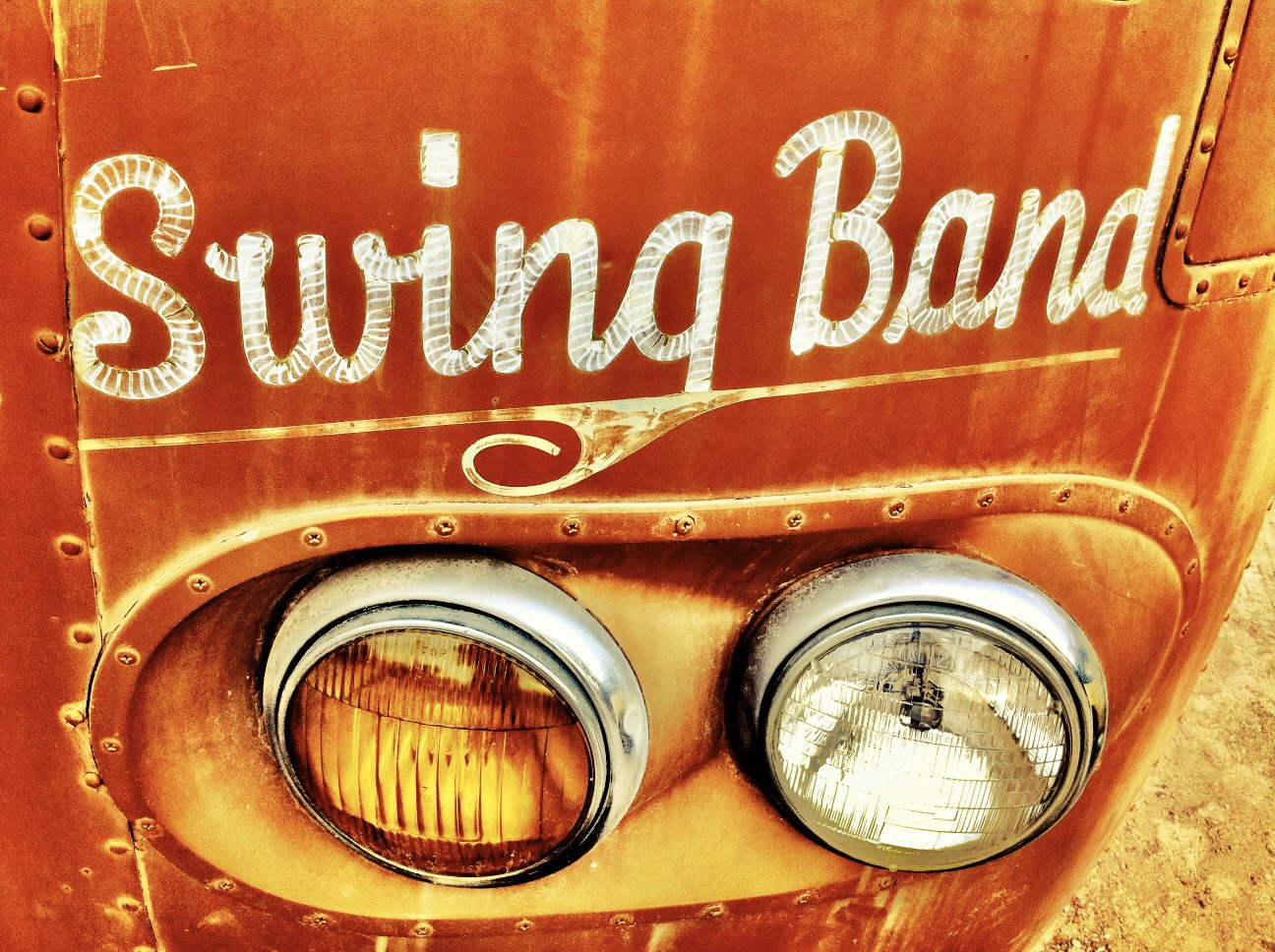
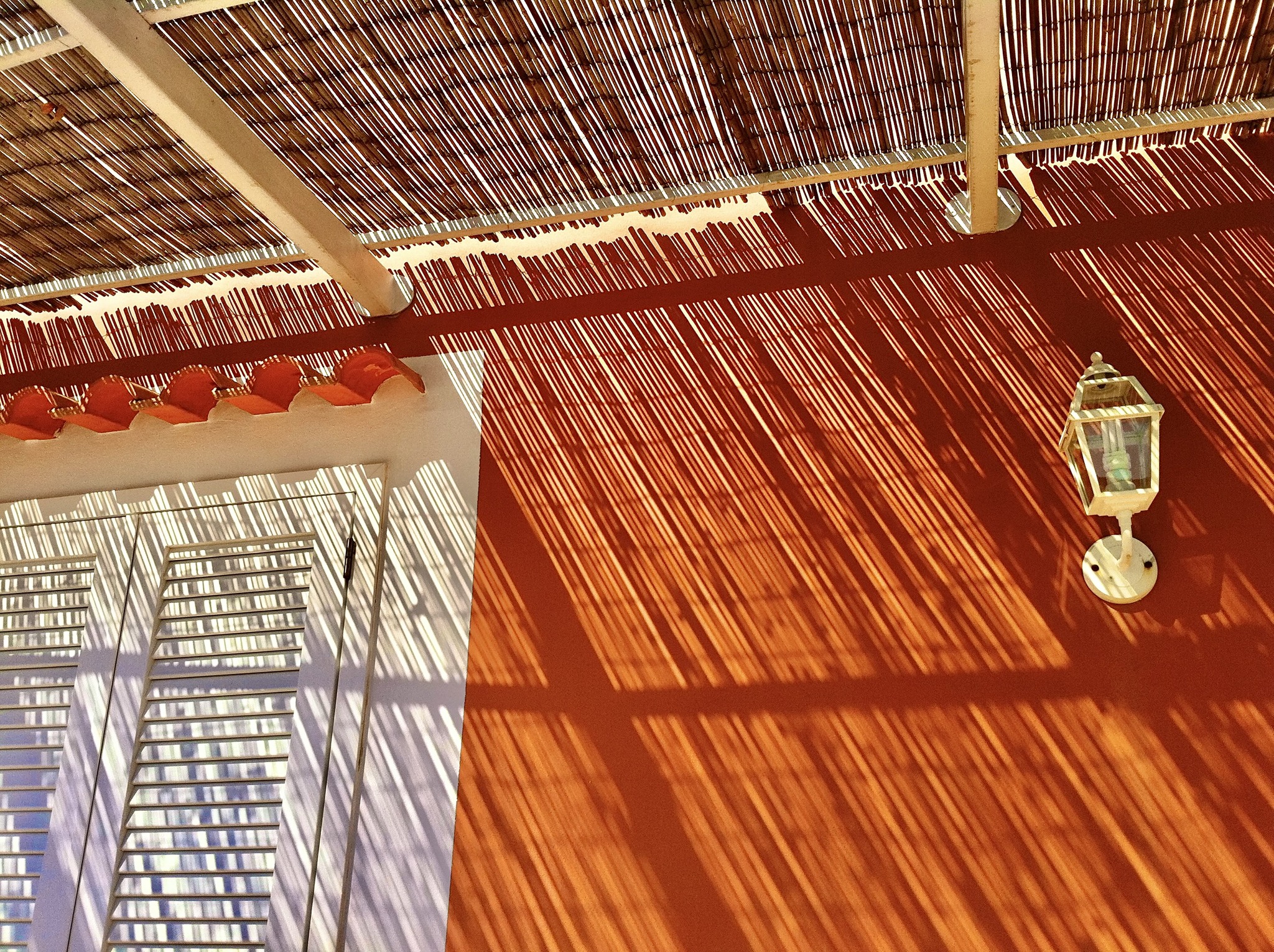
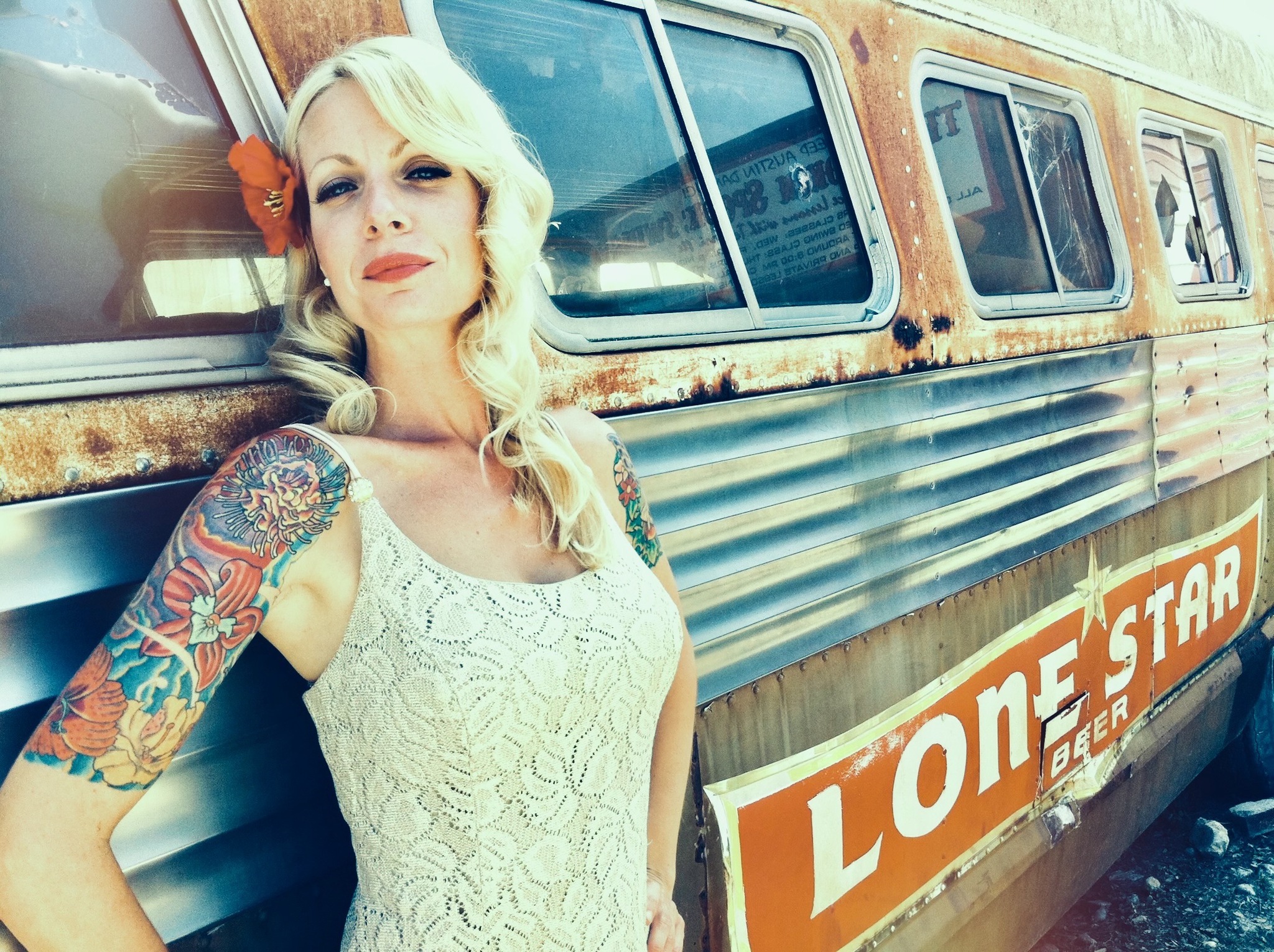
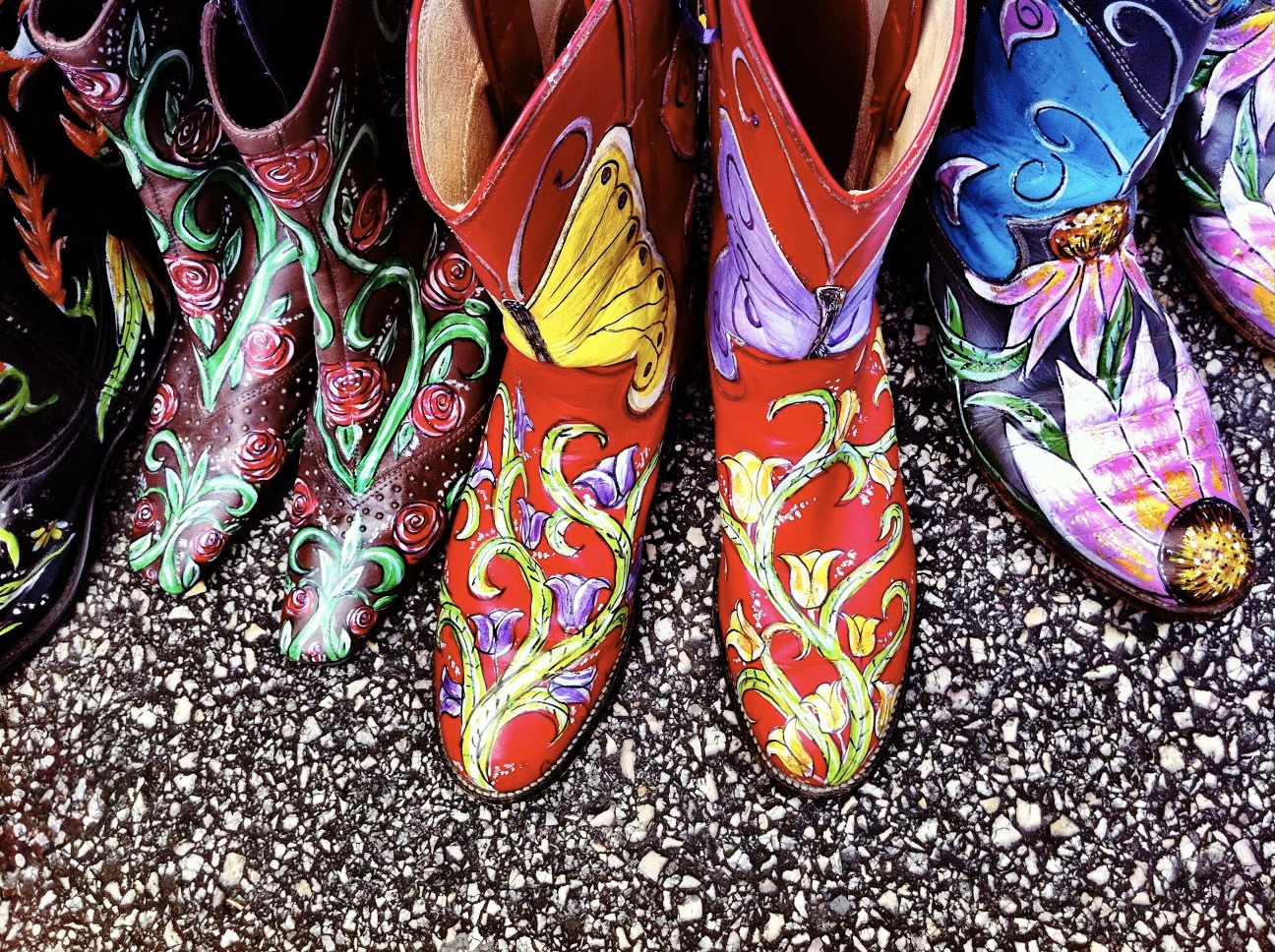
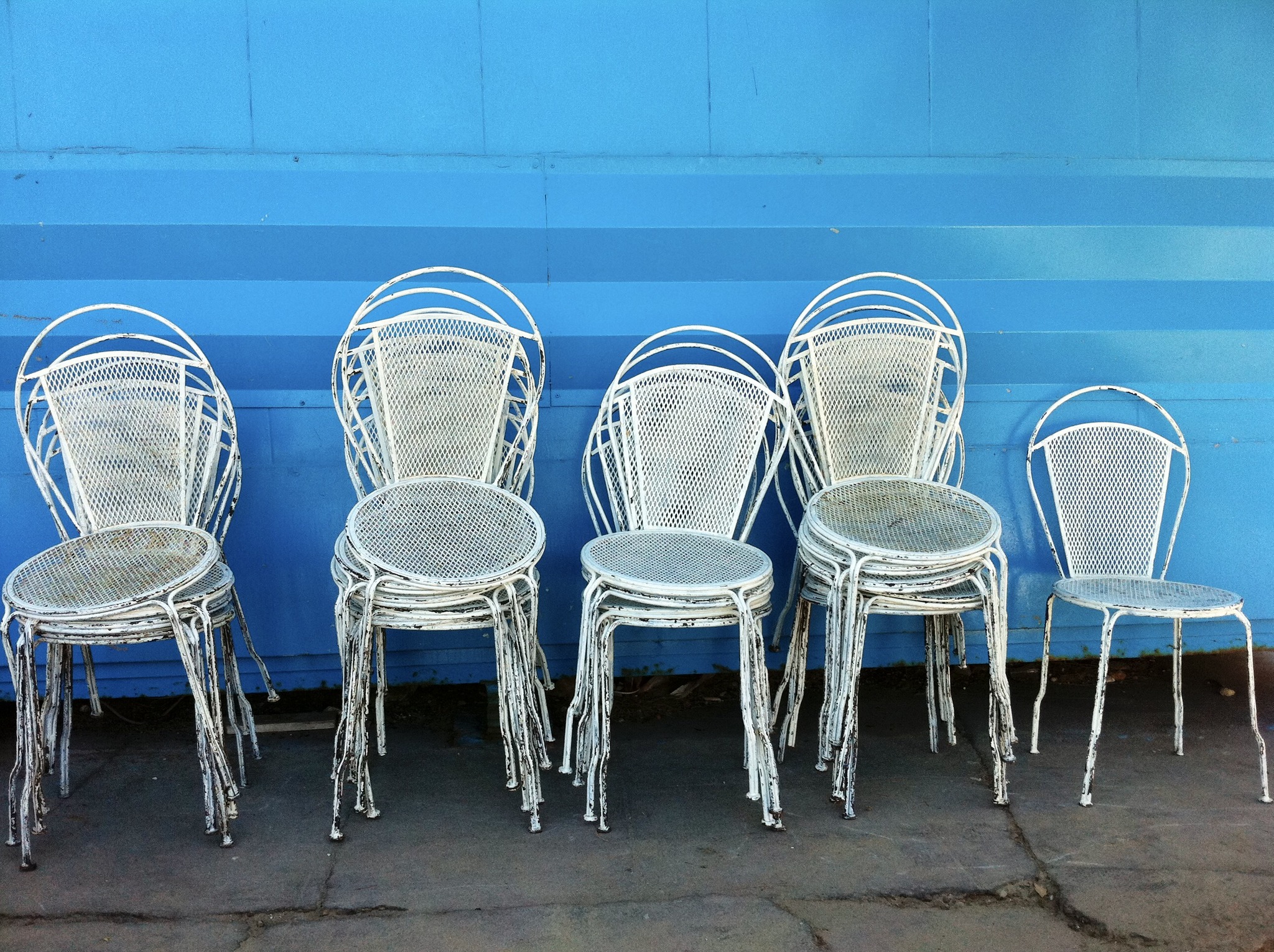
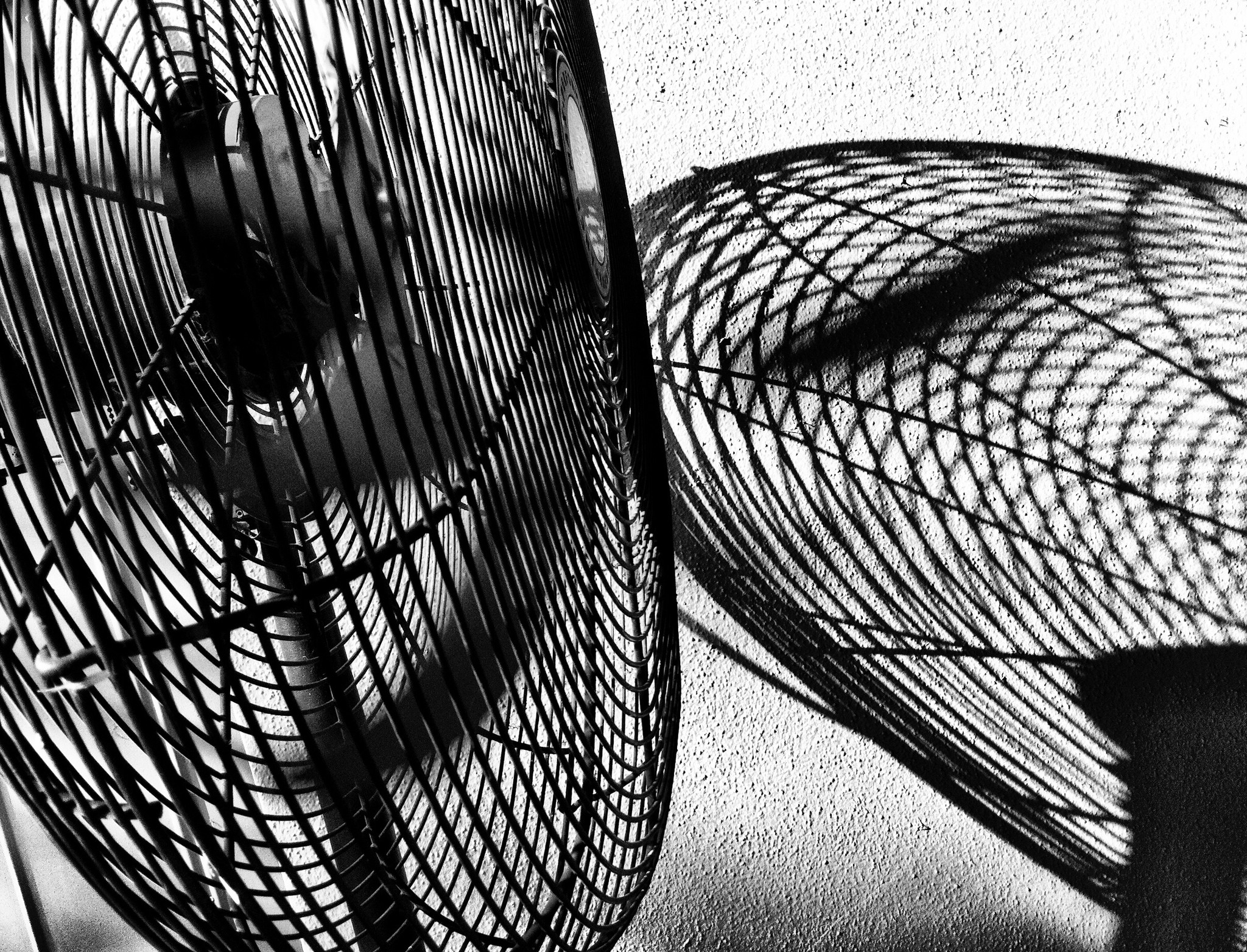
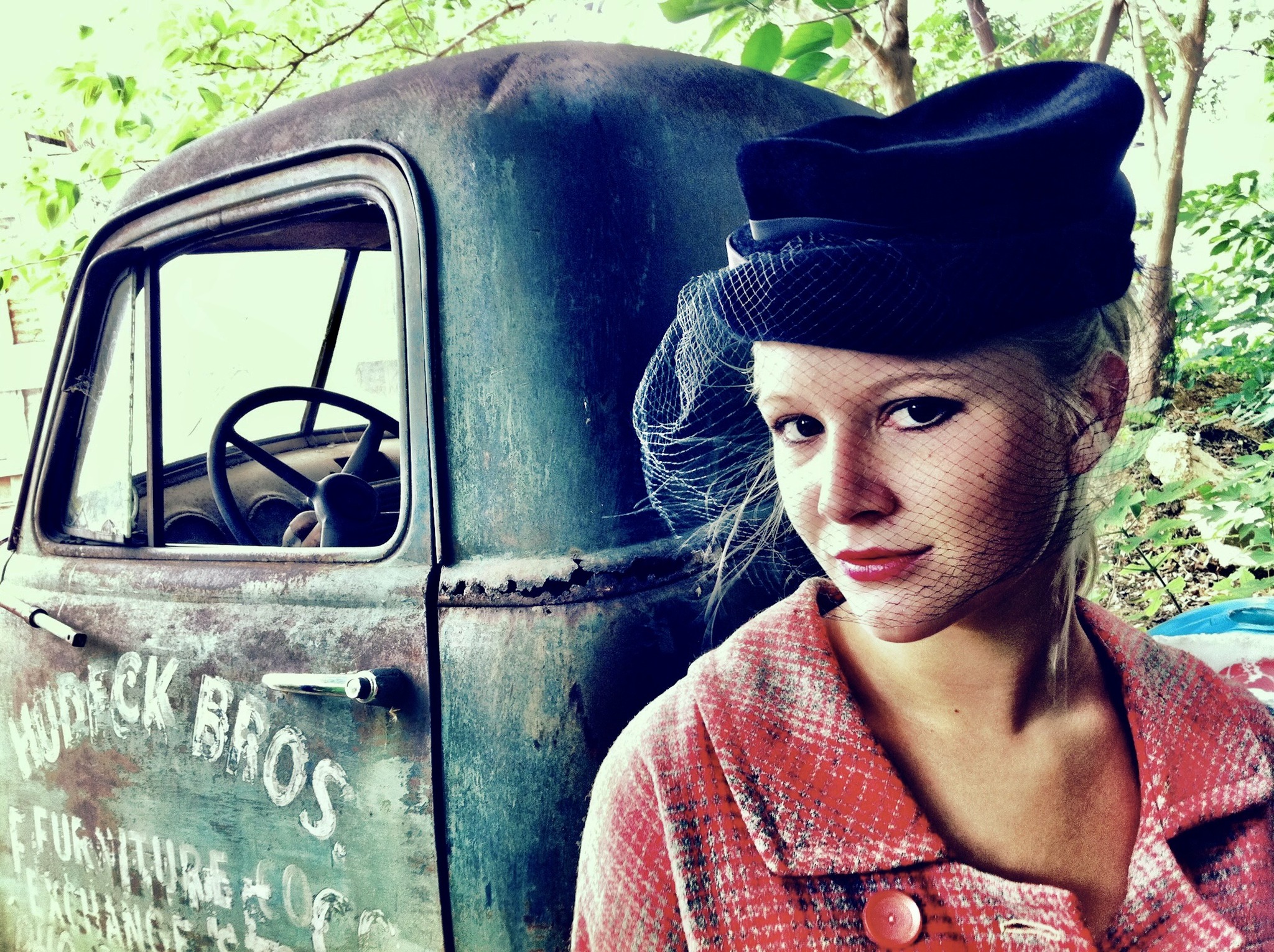
P.S. I’m showcasing horizontals here just to let you know I still shoot, every now and then, horizontals