In the earliest days of my faith, when I was a young and zealous believer, there was one quote that stuck to my soul like a sacred tattoo. It was short, poetic, and punchy—like scripture without the baggage. It came from the mouth of martyred missionary Jim Elliot, a man I admired deeply in those days for his sacrifice and single-minded devotion to the cause of Christ.
“He is no fool who gives what he cannot keep to gain what he cannot lose.”
I memorized it. Repeated it. Prayed it. Believed it.
It encapsulated everything I thought faith should be. Sacrificial. Eternal. Wise. It was a kind of life math that made perfect sense to a newly saved young man in his twenties who had just been handed the keys to eternity.
What Elliot meant was simple: give up this fleeting life, its pleasures, its securities, its illusions of permanence—and in return, you get the Kingdom of Heaven. Something permanent. Something untouchable. Something you could never lose because it was divinely protected by the God who gave it. You sacrifice your now for His forever.
In the echo chamber of early faith, it sounded like genius. And to be fair, for a certain kind of worldview, maybe it is. There’s a kind of internal logic to it. If this life is a vapor and eternity is waiting, then the greatest investment you can make is trading your temporary for the timeless.
But life changes.
Thoughts change.
Belief systems change.
Values evolve.
Worldviews get rearranged.
Hope gets redefined.
And peace starts wearing a different face.
I’m not that young man anymore.
After decades of devotion, followed by years of honest reflection, I’m now on the other side of belief. Not bitter. Not angry. Not rebellious. Just…awake. And grateful. And more at peace than I ever was when I was trying so hard to save myself or the world.
From this vantage point—through the clear eyes of a peaceful and contented atheist—I’d still say Jim Elliot was half right. But I would paraphrase his line like this:
“He is no fool who gives up what he cannot keep…
to fully embrace what he never had to lose in the first place.”
Let me explain.
We all know we’re not keeping this life. Not the body, the house, the bank account, the reputation, or the relationships. Ashes to ashes, dust to dust. That part’s not up for debate. Death comes for us all, and we don’t get to pack a bag.
But the second half of the quote—the idea of gaining something we can’t lose—is where I part ways with Elliot. Because for me, the most valuable things in life were never about eternal reward. They were never dangled in front of me like a posthumous paycheck. They were already here. Already mine. And they didn’t require belief, baptism, or blood.
Things like wonder.
Gratitude.
Connection.
Love.
Beauty.
Presence.
Story.
Seeing.
Being.
These weren’t things I had to earn. They were things I had to notice.
That’s the real magic. And that, my friend, is why I live a photographic life.
—
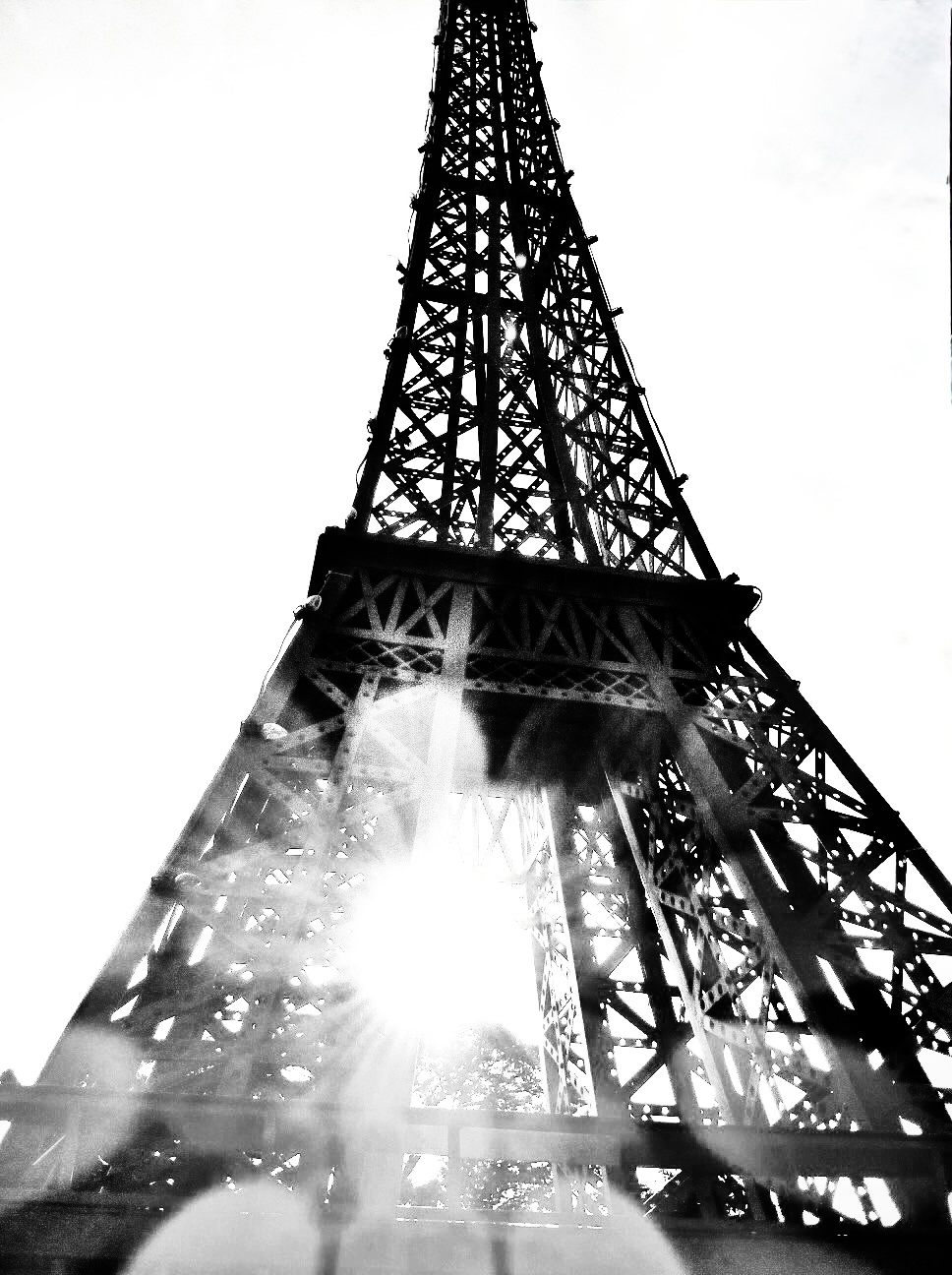
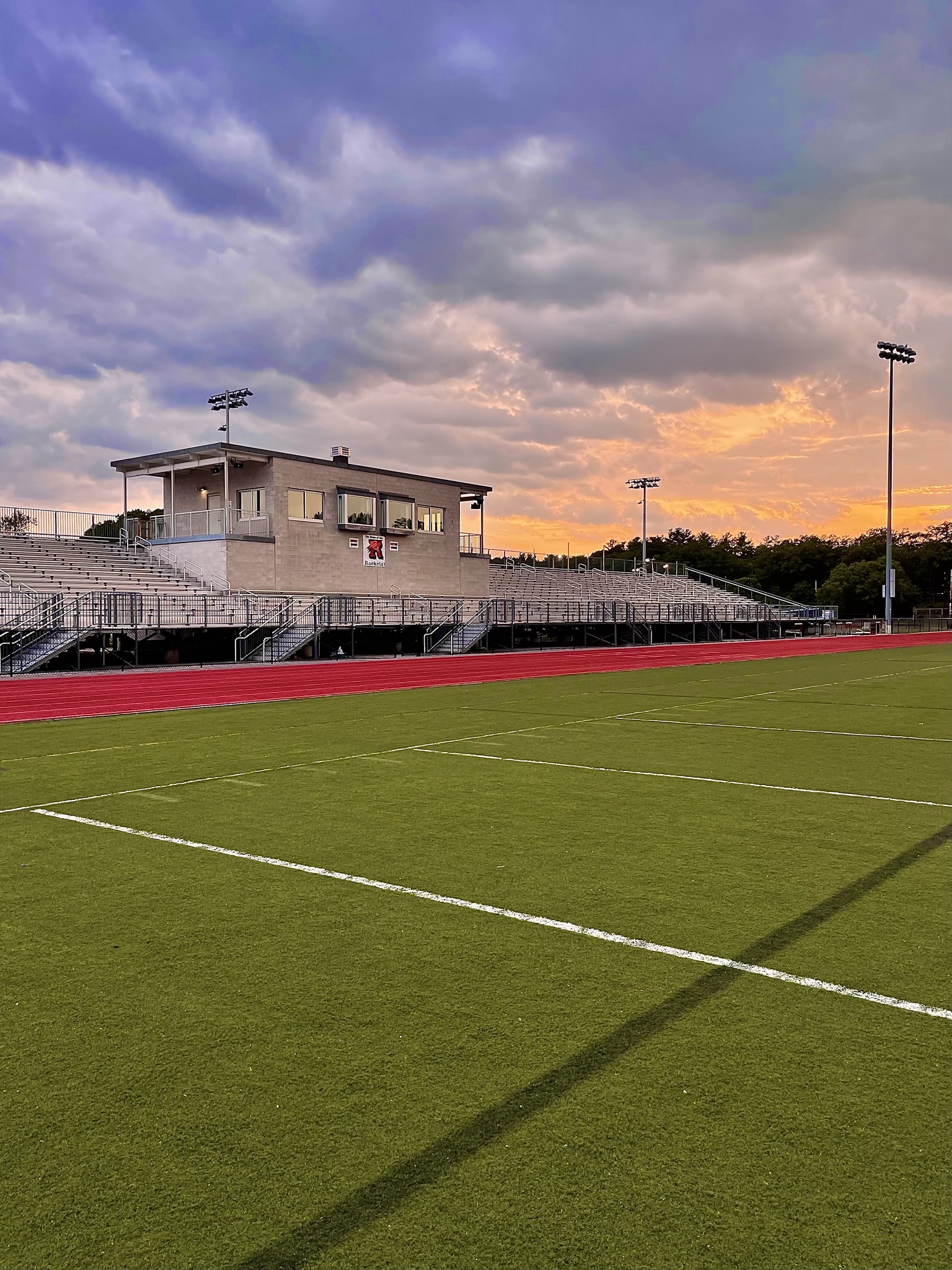
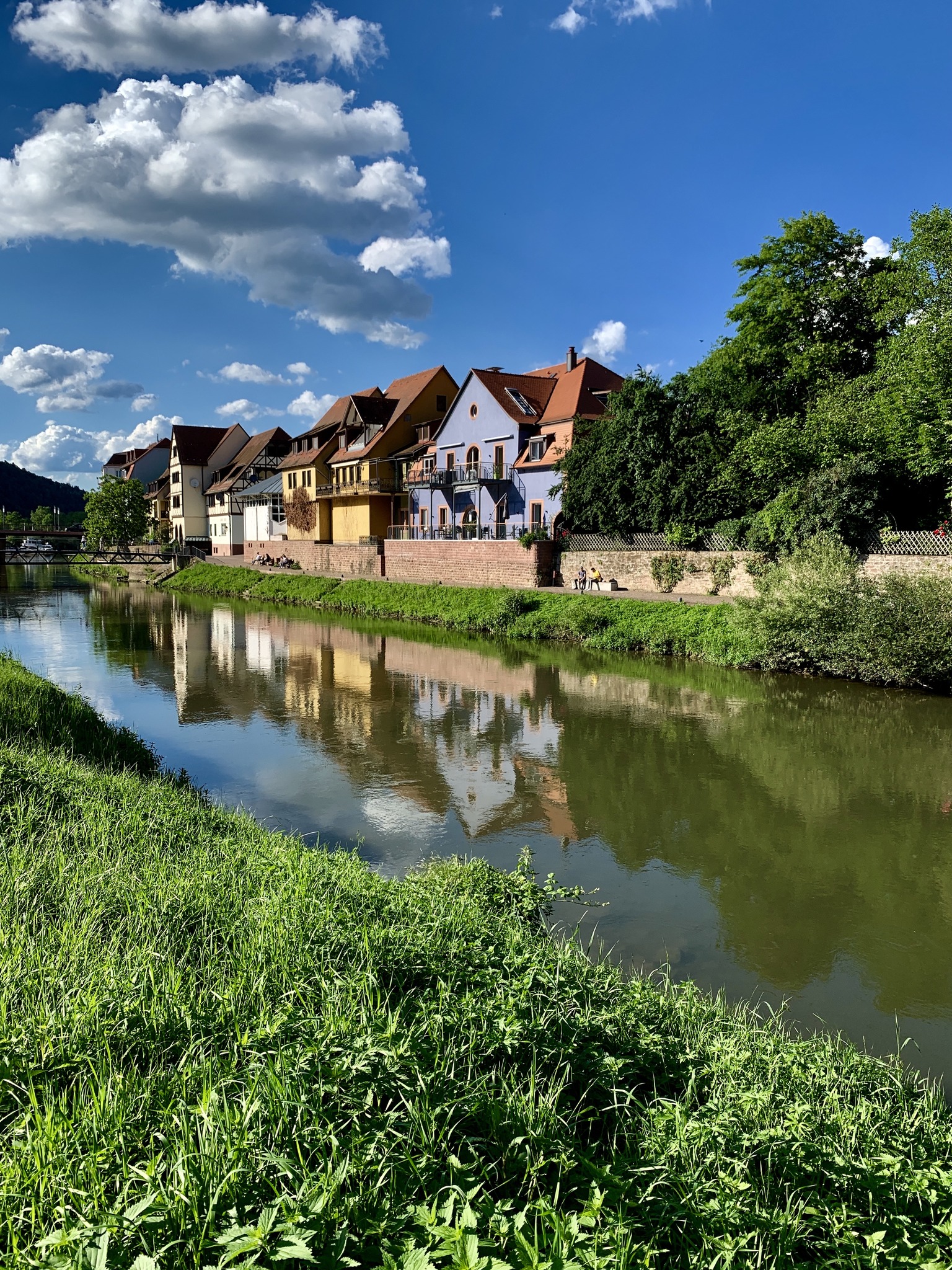
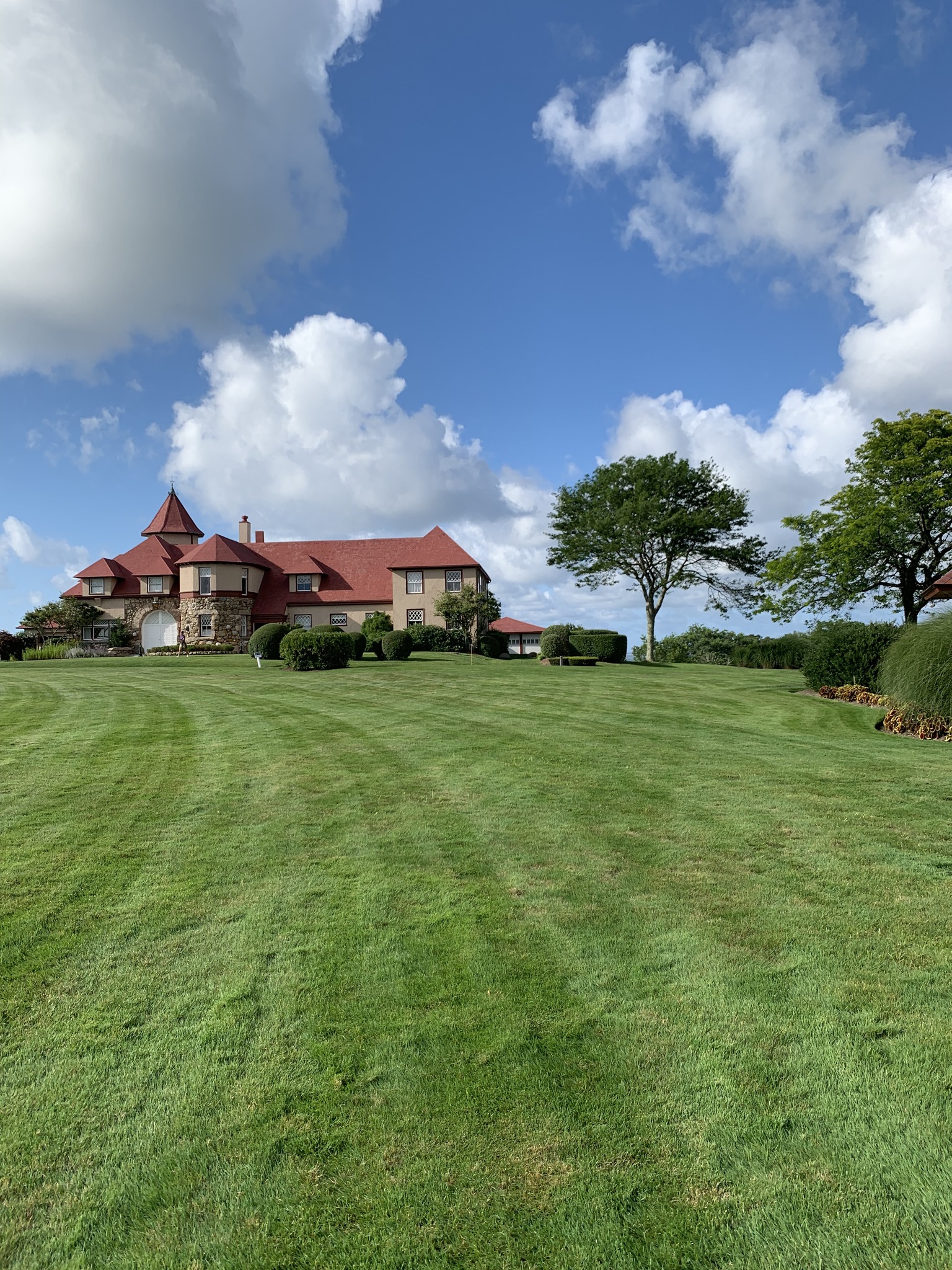
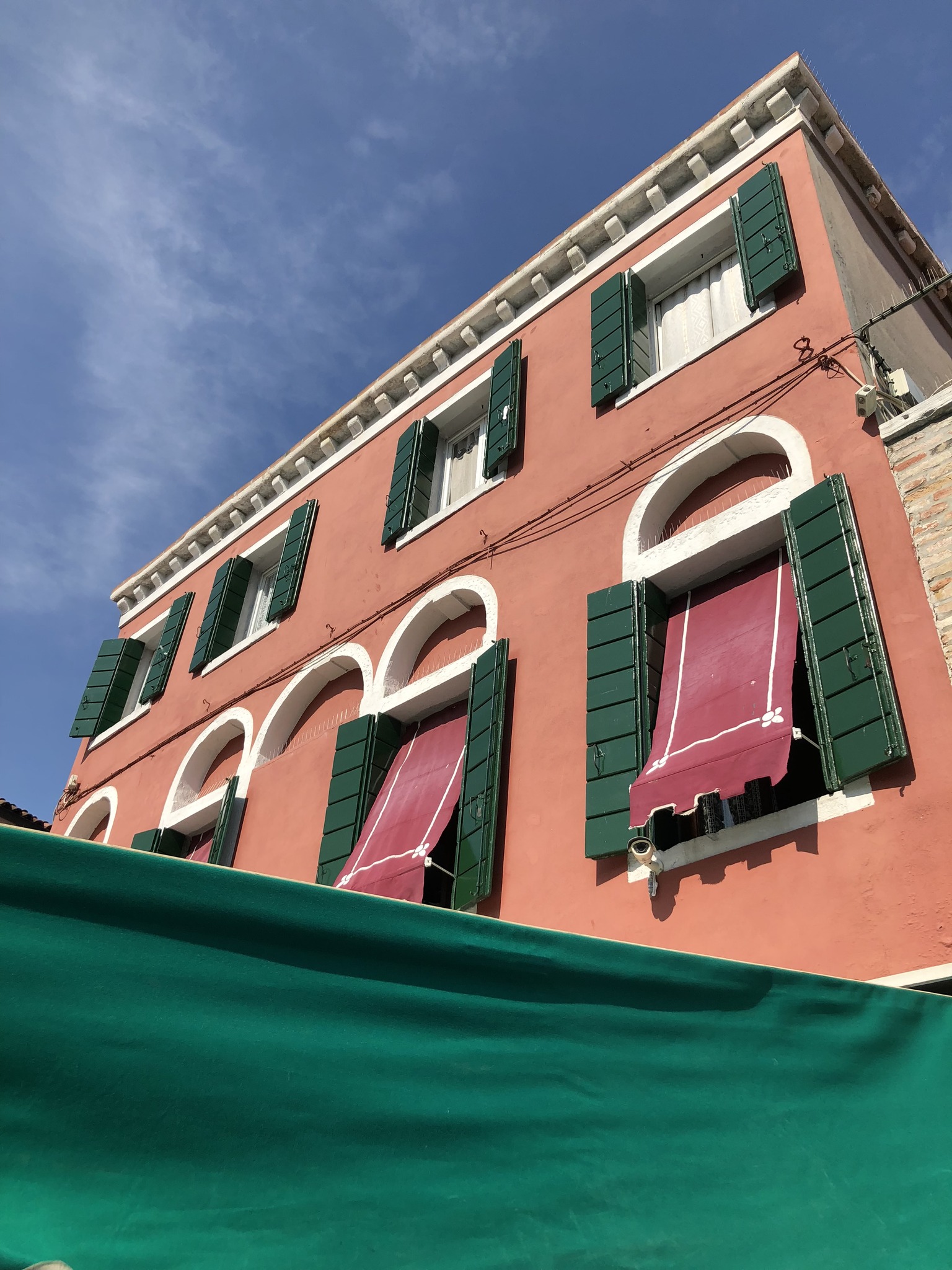
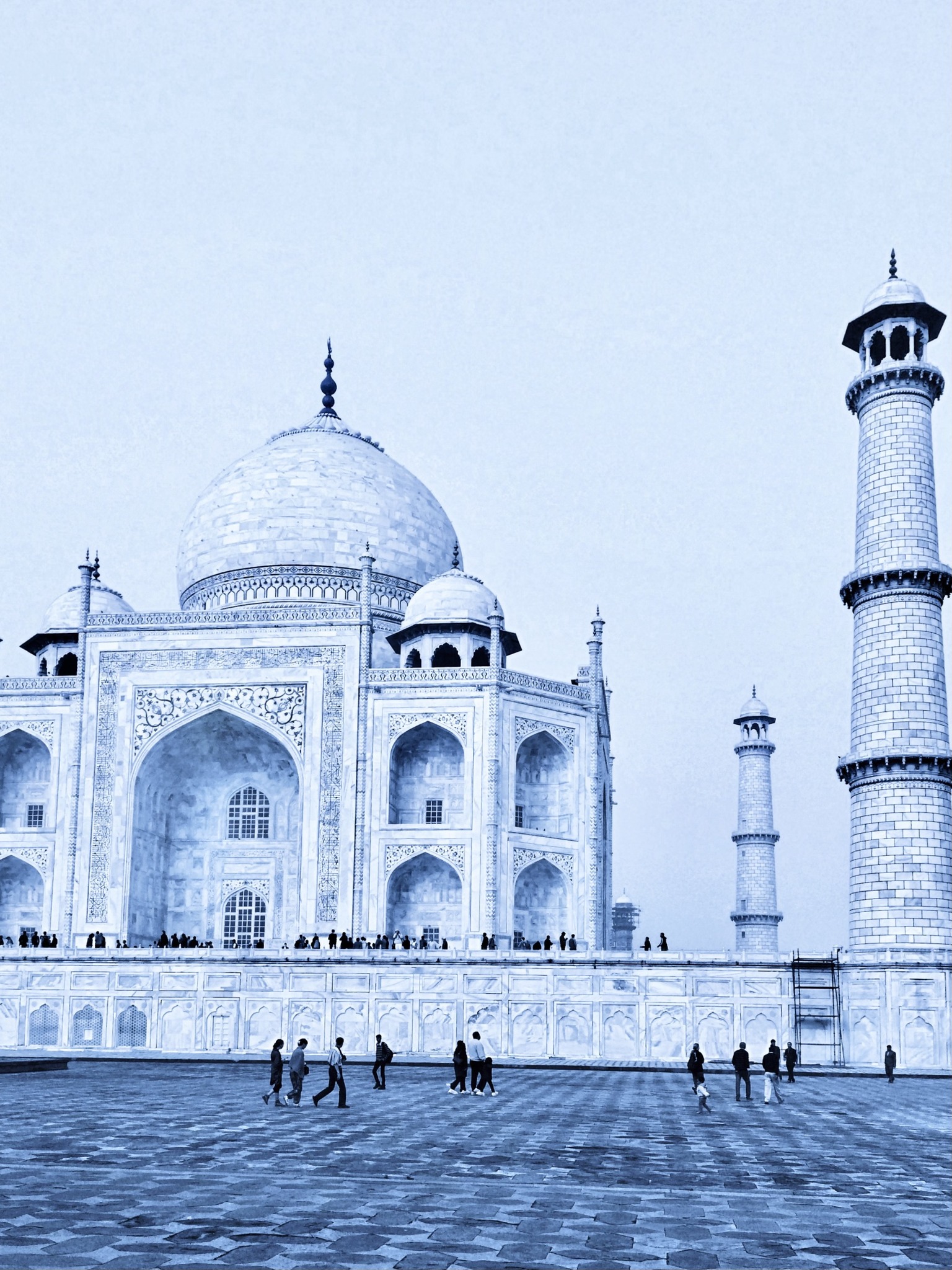
Photography, for me, has replaced what faith used to offer. Not in a one-for-one way. Not as a substitute for God. But as a framework for living with reverence, intention, and presence. A way of waking up to the world, shot by shot, frame by frame.
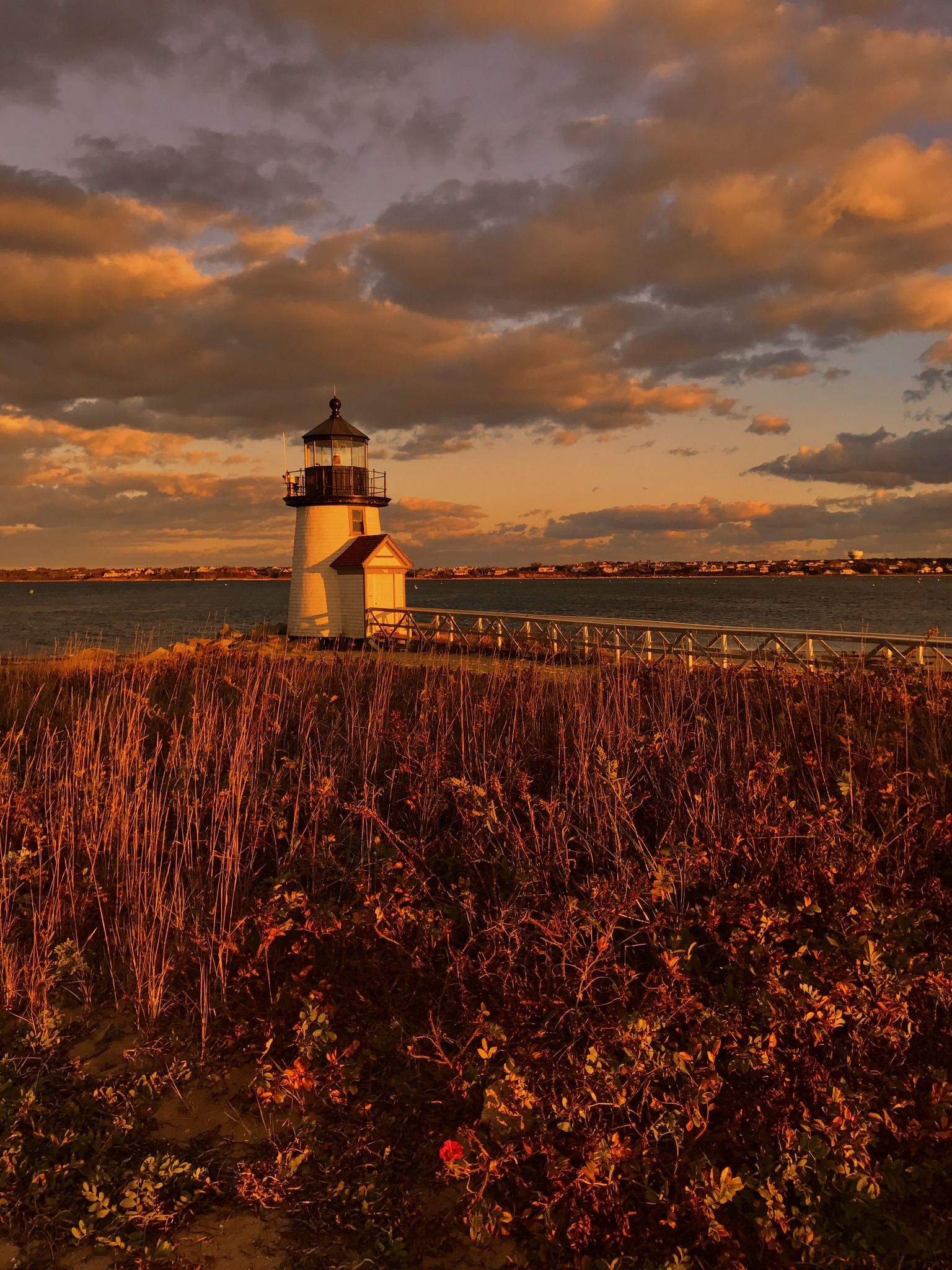
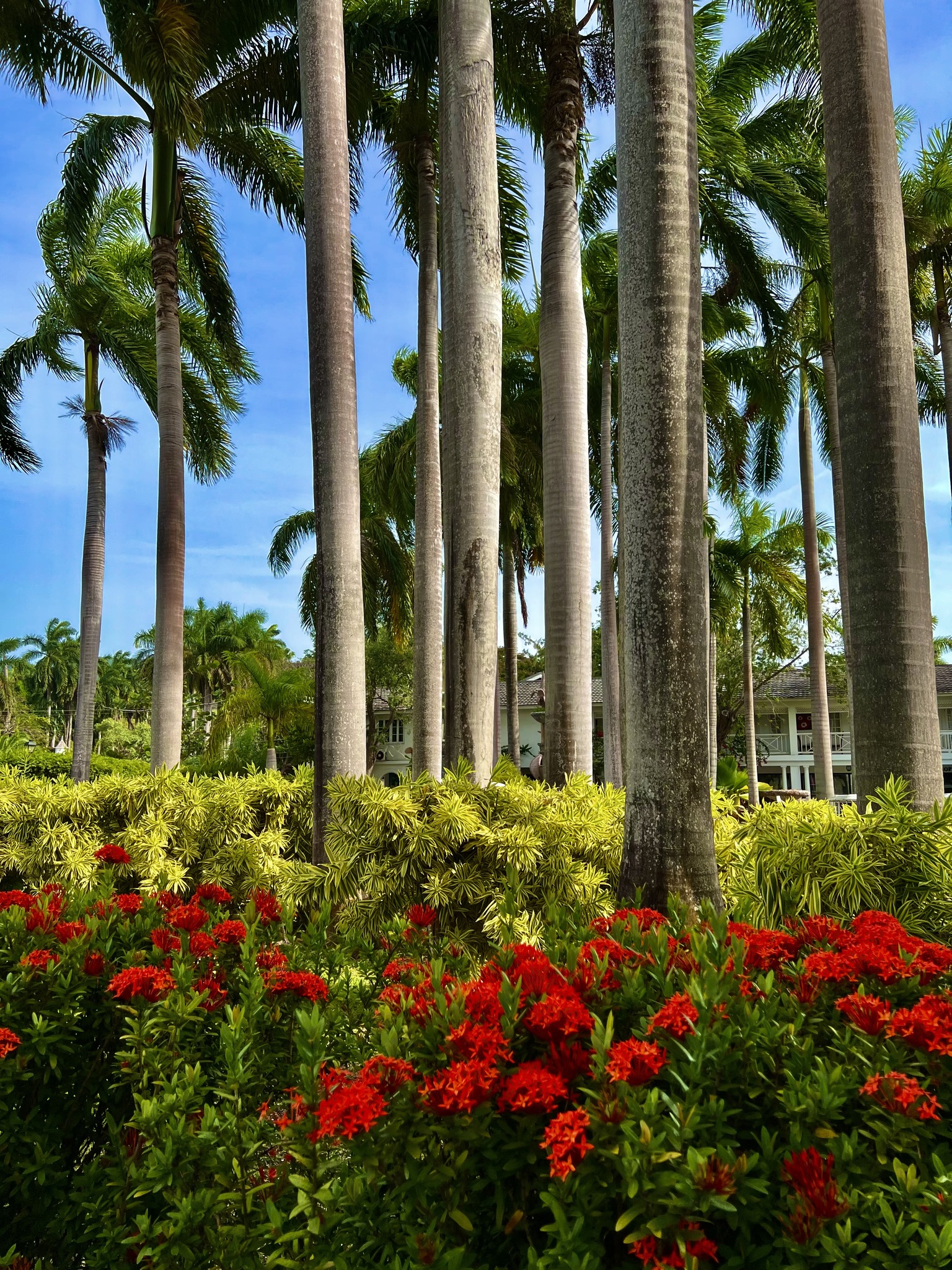
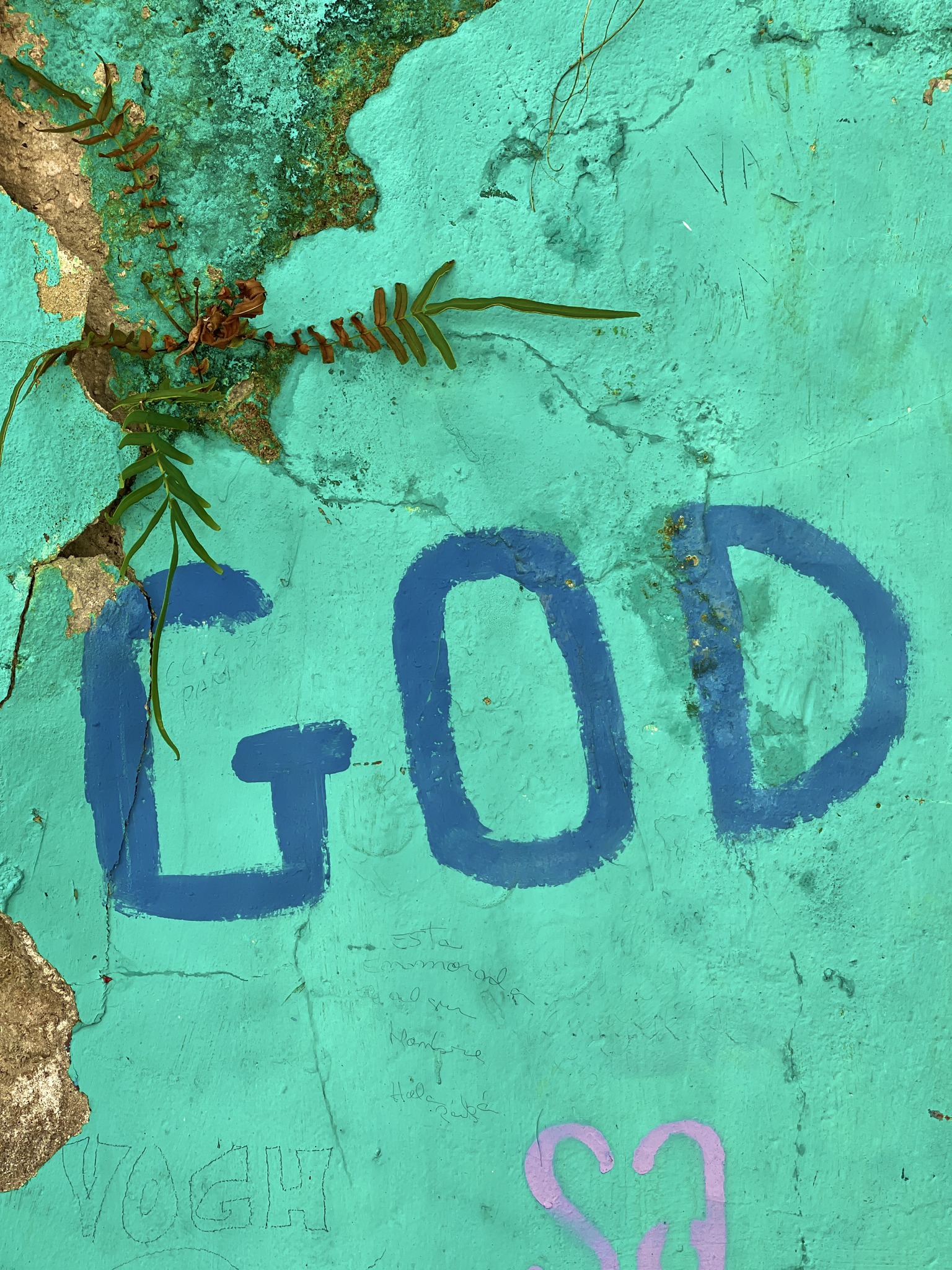
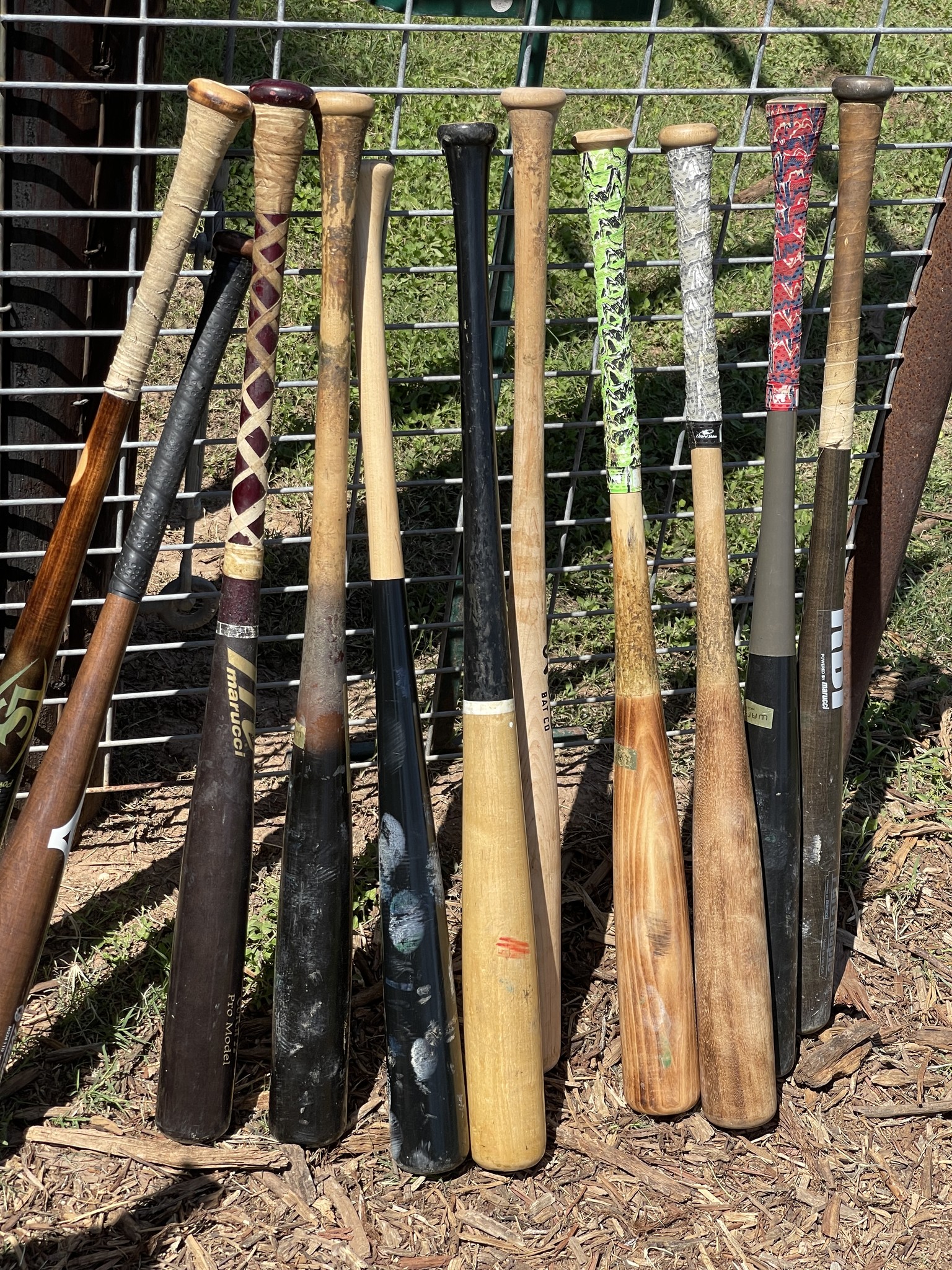
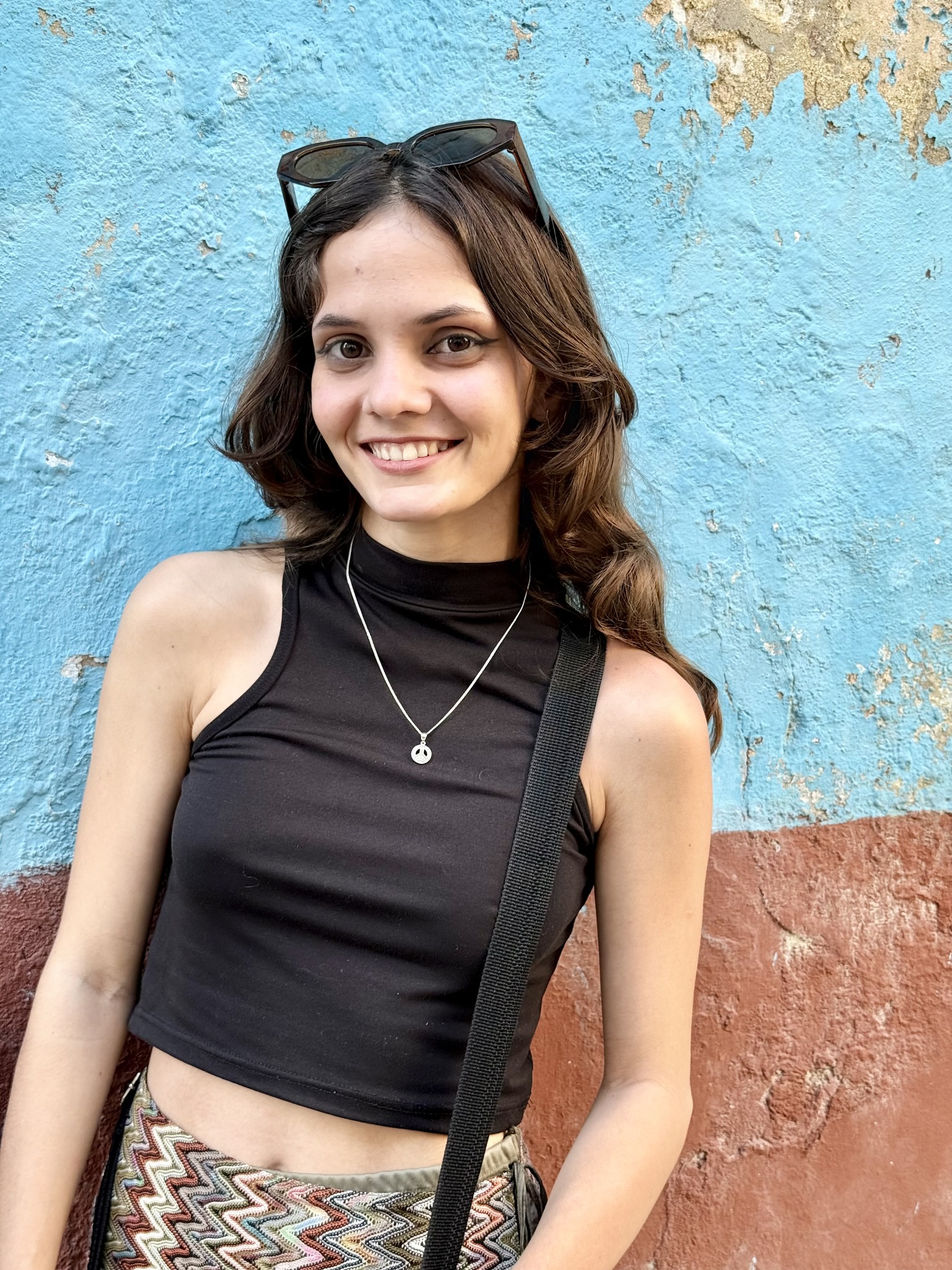
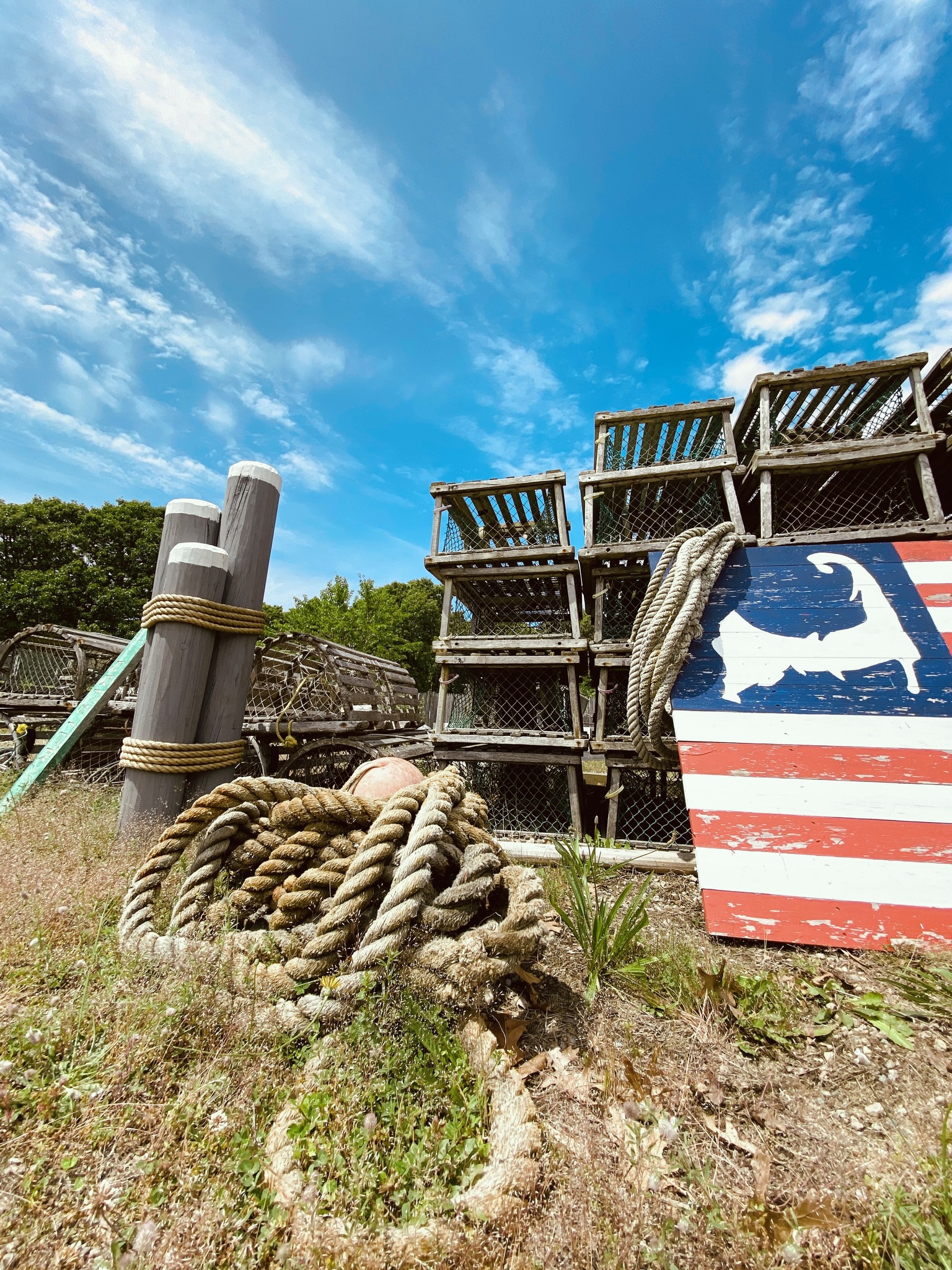
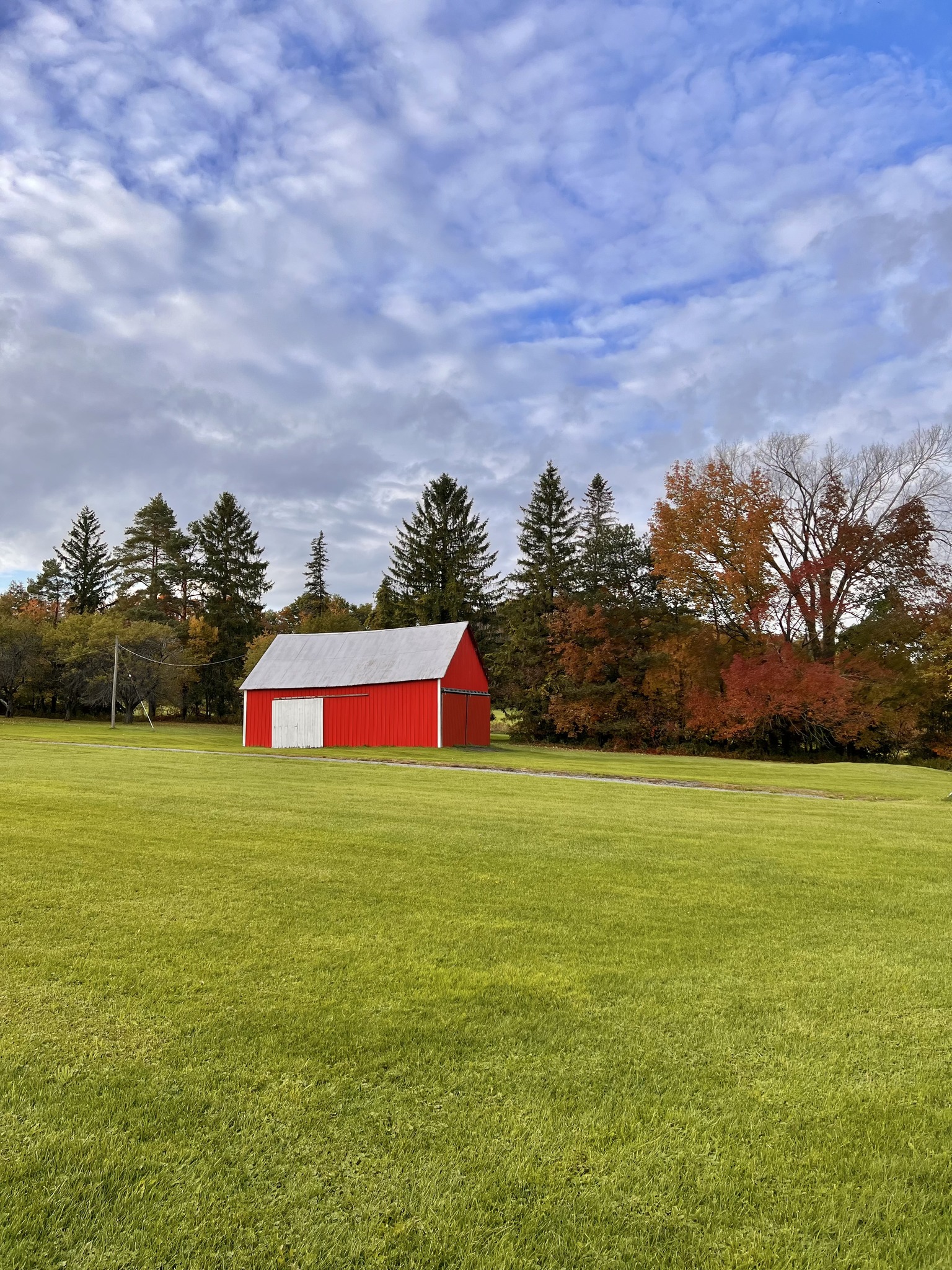
I used to chase the divine in church pews and prayer closets. Now I find it in shafts of light falling through a dusty window. In the texture of tree bark. In the way an old man holds a coffee cup. In the color blue on a Havana wall. In a child’s face caught mid-laugh. In the quiet hush before sunrise in Big Bend.
The things I used to attribute to God—I now attribute to being fully alive.
Photography teaches me what religion once tried to. How to slow down. How to see clearly. How to live deliberately. How to sit with mystery. How to let go of needing answers and just witness.
You see, when I gave up belief in God, I didn’t lose awe—I found more of it.
When I walked away from heaven, I found it in the here and now.
When I gave up eternal life, I finally learned how to live this one.
So yes, I’ve given up what I cannot keep. That’s just called being honest about mortality.
But in return, I’ve gained something so damn beautiful—something I truly cannot lose.
The eyes to see.
The courage to frame.
The joy of paying attention.
The discipline of showing up.
The miracle of light on skin.
The thrill of the moment before the shutter clicks.
None of this requires a creed. Just a camera and a heartbeat.
—
So let me say it again, this time for the record:
He is no fool who gives up what he cannot keep
to fully embrace what he never had to lose.
You don’t need religion to teach you how to live deeply.
You don’t need a holy book to teach you how to see.
You don’t need a god to experience beauty, love, or meaning.
You just need to be awake.
And in that sense, the camera is my instrument of awakening. It reminds me that this moment matters. That this light will never be the same again. That this person, this angle, this laugh, this shadow—this is what I came for.
Not pearly gates.
Not crowns and thrones.
Not cosmic rewards.
Just this.
I don’t know what happens when we die. Nobody does. But I know what happens when we live. And I know that photography, more than any theology I ever studied, helps me live with eyes wide open.
—
To the Jim Elliots of the world—I still hear you.
To my younger self—I honor you.
To those still in the pews—I get it. I really do.
But to those of us who’ve traded belief for being…
Who’ve given up certainty for curiosity…
Who’ve stepped out of the story and into the light…
We’re not fools.
We’re just photographers of the present moment.
Collectors of the now.
Worshippers of the real.
And if we’ve given up anything at all…
It wasn’t lost.
It was just re-framed.
Click.
Jack.